Key takeaways
What's inside
Alkaline water system shopping is about raising the pH and mineral content of your water, for taste or preference, so this alkaline water system guide ranks picks by method and by what they filter. Below are six options with honest drawbacks, weighed on how they raise pH, certification, form, and cost.
As an Amazon Associate we earn from qualifying purchases at no extra cost to you. Product prices and availability are accurate as of the date shown and are subject to change.




As an Amazon Associate we earn from qualifying purchases.
By Daniel Foster
What “Alkaline” Actually Means Here
An alkaline system raises water’s pH and often adds minerals, using an electric ionizer, an alkalizing mineral filter, or reverse osmosis followed by remineralization. Sorting the method, whether it also filters contaminants, and the form first keeps an alkaline water system grounded in what it does, since raising pH is separate from certified contaminant reduction.
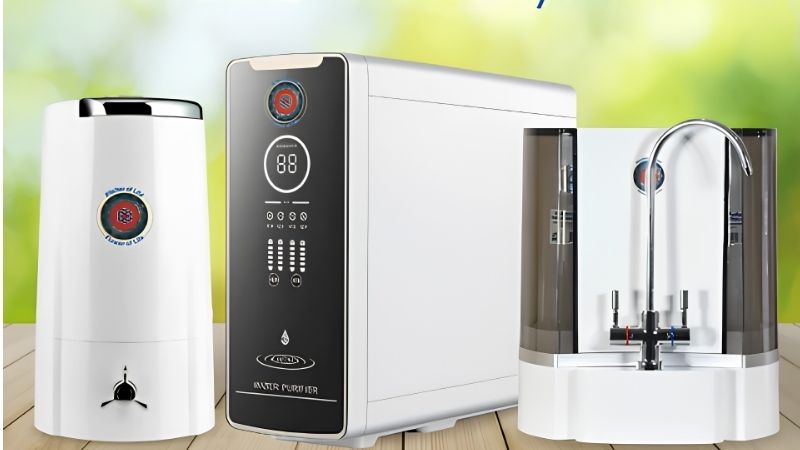
Alkaline System Decision Numbers
The deciding factors are the method (an electric ionizer using electrolysis, an alkalizing mineral filter or pitcher, or RO plus a remineralization stage), whether the system carries NSF/ANSI certification for actual contaminant reduction, the pH range it targets, and the form factor and cost.
Then separate pH from filtration, since an ionizer or mineral filter may raise pH without being certified to reduce lead or other contaminants, which are different goals. If you want both cleaner water and higher pH, favor a system that pairs certified filtration with remineralization, rather than one that only adjusts pH.
Confirm the ongoing cost, since ionizers are expensive appliances with plates to maintain, mineral filters need cartridge changes, and RO-plus-minerals adds stages. This guide focuses on how these systems work and what they filter; claims about health benefits of alkaline water are debated and beyond its scope. The right alkaline water system raises pH the way you prefer while keeping filtration a separate, verified check.
Placement, Space, And Fit
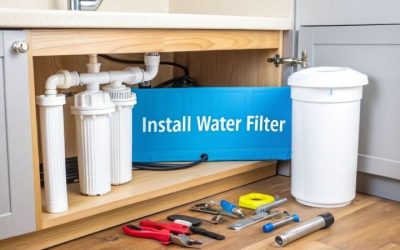
Ionizers typically sit on the counter and connect to the faucet with a diverter and a power outlet, or install under the sink with a dedicated faucet, so plan space and power. Mineral pitchers and alkalizing filters need only counter or fridge space, while RO-plus-minerals mounts under the sink with a drain.
Confirm the footprint and connections, since a countertop ionizer needs faucet compatibility and an outlet, and under-sink systems need cabinet room and, for RO, a drain and a dedicated faucet. Match the form to whether you want a no-install pitcher, a countertop appliance, or a cabinet system.
For renters, an alkalizing pitcher or a countertop ionizer with a diverter avoids permanent plumbing, while homeowners can choose under-sink options. Keep filters, plates, or membranes accessible for maintenance, since each method has its own upkeep, and confirm any diverter fits your faucet before buying.
Method, Certification, And Cost
Ionizers use electrolysis to separate and raise the pH of water, an expensive appliance approach with plates that need periodic cleaning and, on some, a filter for basic reduction. They adjust pH strongly but are not primarily contaminant filters, so confirm any filtration certification separately from the pH claims.
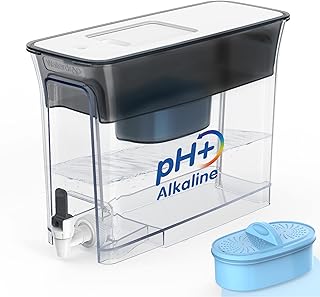
Alkalizing mineral filters and pitchers add minerals to raise pH more simply and cheaply, often alongside basic carbon reduction, but with modest filtration. They suit buyers who mainly want higher pH and better taste at low cost, provided you do not expect certified broad contaminant removal from them.
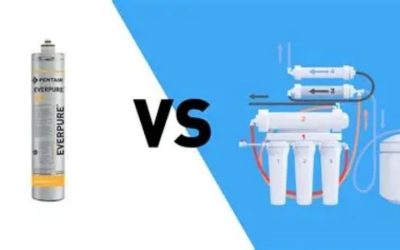
RO plus remineralization filters water thoroughly, then adds minerals to raise pH and improve taste, combining certified reduction with an alkaline finish. This pairing suits buyers who want clean water and higher pH together, at the cost of an under-sink install and the usual RO maintenance and wastewater. Pairing certified RO with remineralization is the way to get both clean water and a higher pH at once.
Top Alkaline System Picks
These six span ionizers, alkalizing mineral filters and pitchers, and RO-plus-mineral systems, so this alkaline water system guide can match method to your goals and budget. Each entry names a real drawback, because raising pH and reducing contaminants are separate jobs, and the right pick depends on whether you want one or both. Reading each drawback closely helps you separate a pH boost from certified contaminant reduction.
| Pick | Method | Filtration | Best for |
|---|---|---|---|
| Express Water RO alkaline | RO + minerals | Certified RO + pH | Clean + alkaline |
| Waterdrop RO remineralized | RO + minerals | Certified RO + pH | Compact RO + pH |
| Santevia mineral | Mineral filter | Basic + minerals | Simple pH boost |
| Invigorated pH pitcher | Mineral pitcher | Basic + minerals | No-install pH |
| Air Water Life ionizer | Ionizer | Basic filter + pH | Adjustable pH |
| Bawell/Tyent ionizer | Ionizer | Basic filter + pH | Premium ionizer |
Express Water RO Alkaline For Clean Plus Alkaline
Express Water’s alkaline RO systems filter thoroughly through a membrane, then add a remineralization stage to raise pH and restore minerals, combining certified reduction with an alkaline finish. For buyers who want clean water and higher pH together, this pairing is the most complete approach.
The drawback is the under-sink space, drain, wastewater, and multiple stages to maintain, plus certification that varies by configuration. Confirm the specific reduction certifications, and factor the ongoing filter and membrane cost typical of RO systems.
For clean water plus alkaline finish, Express Water leads this guide. Plan cabinet space and the drain, verify the reduction certifications, and keep replacement stages on hand, choosing it when you want both certified filtration and higher pH rather than pH adjustment alone. For buyers who want both jobs done, the combined system avoids buying a separate filter later.
Waterdrop RO Remineralized For Compact RO Plus pH
Waterdrop’s remineralized RO systems filter broadly and add minerals for taste and higher pH in compact, often tankless designs. For small cabinets wanting certified RO reduction with an alkaline finish, the space-saving design is a practical advantage over bulkier systems.
The drawback is that certification varies by model, so confirm the reduction listing, plus the usual RO drain, wastewater, and proprietary filters. Verify the specific ratings rather than assuming every model carries the same certification or remineralization.
For compact RO plus pH, Waterdrop is a flexible pick here. Confirm the exact model’s certification, plan cabinet space and the drain, and keep filters on hand, choosing it when a small footprint matters alongside certified reduction and a mineral, higher-pH finish.
Santevia Mineral For A Simple pH Boost
Santevia’s mineral systems and pitchers add minerals to raise pH alongside basic carbon reduction, a simpler, cheaper way to get higher-pH water. For buyers who mainly want a pH boost and better taste without an appliance, it is an approachable option.
The drawback is modest filtration compared with RO or certified multi-stage systems, so do not expect broad contaminant removal. Confirm what reduction, if any, is certified, and factor the cartridge changes, since the mineral media exhausts over time.
For a simple pH boost, Santevia is a sensible pick here. Set expectations for higher pH and basic reduction rather than certified broad removal, track cartridge changes, and choose it when a low-cost, simple alkaline approach matters more than thorough filtration.
Invigorated pH Pitcher For No-Install pH
Invigorated Water and similar pH pitchers add minerals to raise pH in a no-install pitcher, delivering higher-pH drinking water for renters and small spaces. For buyers who want alkaline water with zero plumbing, the pitcher form is the easiest entry point.
The drawback is limited filtration and modest capacity, with the focus on pH and taste rather than certified contaminant reduction. Confirm any certification, and remember a mineral pitcher raises pH but does not replace a certified filter for lead or other contaminants.
For no-install pH, an Invigorated pitcher fits this guide. Treat it as a pH and taste solution rather than a contaminant filter, track cartridge changes, and pair it with a certified filter if you also need real reduction, choosing it when simple, plumbing-free alkaline water is the goal.
Air Water Life Ionizer For Adjustable pH
Air Water Life’s Aqua Ionizer machines use electrolysis to offer adjustable pH levels, with a built-in filter for basic reduction and countertop or under-sink options. For buyers who want to dial pH up or down, an ionizer provides the most direct control.
The drawback is a high appliance cost, plates that need periodic cleaning, and that the ionizer is not primarily a contaminant filter. Confirm the filtration certification separately, and factor the price and maintenance of an electric appliance dedicated mainly to pH.
For adjustable pH, an Air Water Life ionizer is a capable pick here. Confirm faucet compatibility and power, verify any filtration certification separately from the pH claims, and maintain the plates, choosing it when adjustable pH control matters more than certified broad filtration. Treating the ionizer as a pH appliance, not a filter, keeps expectations aligned with what it does.
Bawell Or Tyent Ionizer For A Premium Ionizer
Bawell and Tyent offer premium ionizers with more plates and features for stronger pH adjustment, aimed at buyers who want a high-end alkaline appliance. For those set on ionization with maximum control, these represent the upper tier of the category.
The drawback is a very high price, ongoing plate and filter maintenance, and, again, that ionizers are pH appliances rather than certified contaminant filters. Confirm any filtration certification independently, and weigh whether the premium is justified for your goals.
For a premium ionizer, Bawell or Tyent tops this guide’s ionizer tier. Confirm the connections and power, verify any filtration certification separately, and budget for plates and filters, choosing a premium ionizer only when strong, adjustable pH control justifies the high cost and upkeep.
See More:
- Best eyeshadow blender brush
- Best frozen foods for air fryer
- Best frozen food for air fryer
- Best way to reheat steak in air fryer
- Best air fryer recipes book
Choosing Your Alkaline Water System
The best alkaline water system for you depends on whether you want filtration too: RO-plus-minerals from Express Water or Waterdrop for certified reduction with an alkaline finish, mineral filters and pitchers from Santevia or Invigorated for a simple pH boost, or ionizers from Air Water Life, Bawell, or Tyent for adjustable pH. Keep pH and filtration as separate checks.
Match the form to your space, confirm any contaminant-reduction certification independently of the pH claims, and factor the upkeep of plates, cartridges, or membranes. Because higher-pH water is a taste and lifestyle preference rather than a health claim this guide makes, focus on how each works, and the goal of this alkaline water system guide is a system whose method and filtration fit your actual goals. Decide whether you want filtration too, then the method and form fall into place naturally.