Key takeaways
What's inside
Here you get water contaminants explained in plain English, without the scare tactics that filter ads lean on. This guide walks through the common contaminants found in home tap water, where each one comes from, and which certified filter technologies actually reduce them, so you can act on facts instead of fear when you shop for a system.
As an Amazon Associate we earn from qualifying purchases.
By Daniel Foster
Filters Matched to Each Contaminant
With the water contaminants explained, the fix follows the diagnosis. Below are five systems, each matched to a specific problem, so you buy the technology your test flags rather than the most advertised one. Prices shift, so verify the current figure and certification at purchase.
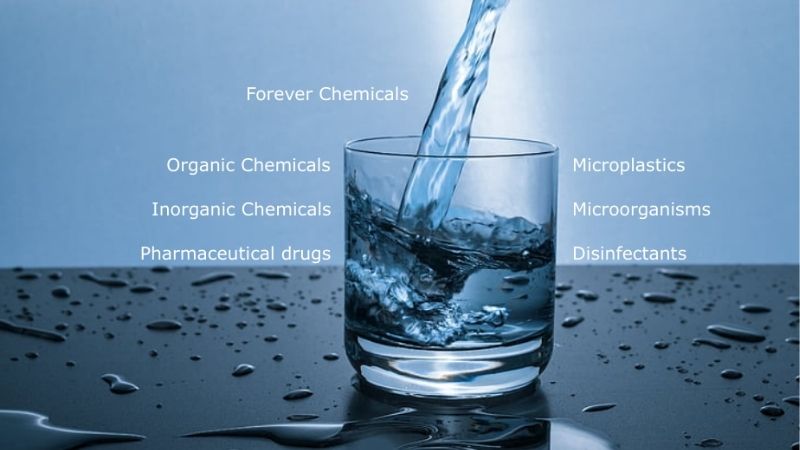
Waterdrop G3 Under-Sink RO — Lead and PFAS
When your test flags lead or PFAS, reverse osmosis is the broadest home answer, and the Waterdrop G3 reduces both plus dissolved solids under NSF/ANSI 58 on certified models. It installs at the kitchen tap and gives the serious reduction these health contaminants demand.
RO needs cabinet space, an outlet, and sends some water to drain, so it is more commitment than a pitcher. The staggered filter schedule is a recurring cost, so price a year of replacements, but for lead and PFAS the trade-offs are usually worth it.
Brita Elite Pitcher — Chlorine and Taste
If your only issue is the chlorine taste of city water, a Brita Elite pitcher solves it cheaply under NSF/ANSI 42, and the Elite cartridge adds certified lead reduction. It is the lowest-effort win for the most common complaint, needing only fridge shelf space.
It does nothing verified for nitrates or hardness, so it is the wrong tool for a problem well. The cartridge is a recurring cost and capacity is modest, so a large household will refill and replace often, which is the fair price of such simplicity.
APEC Nitrate-Selective Filter — Well Nitrates
Nitrates from farm or septic runoff slip past carbon entirely, so a nitrate-selective ion-exchange filter or an RO system is the correct match. This is a textbook example of why the water contaminants explained here should drive the purchase rather than a filter’s popularity.
Nitrate filters have a finite capacity and must be regenerated or replaced on schedule, and they can release nitrates once exhausted. That makes disciplined maintenance essential, since a lapsed nitrate filter is worse than none for the infants and pregnant women it most protects.
VIQUA UV System — Bacteria in Well Water
Microbiological risk in well water calls for UV, which inactivates bacteria and viruses with ultraviolet light. A VIQUA-style UV system pairs with a pre-filter for clear water and steady power, addressing a threat that chemical filters simply cannot touch on their own.
UV does nothing for chemicals or taste and the lamp is a wear item that must be swapped yearly even while it still glows. It is a targeted tool for a specific well problem, not a standalone whole-solution for a home’s full range of contaminants.
iSpring Sediment Pre-Filter — Grit and Turbidity
Sediment clouds water and clogs every filter downstream, so an iSpring sediment pre-filter protects the rest of your system and extends cartridge life. It is cheap insurance for wells and homes on old mains where grit would otherwise shorten a membrane’s working life.
A pre-filter alone improves clarity but reduces no dissolved contaminants, so it is a first stage, not a finish. Its cartridge clogs faster in dirty water and needs frequent changes, which is exactly the job it is doing to spare the pricier stages behind it.
The Common Contaminants in Tap Water
Getting water contaminants explained starts with knowing the usual suspects and where they enter your supply. Some arrive from aging pipes, some from farmland runoff, and some from the disinfection that keeps water safe on its way to you, and each origin points toward a different fix.
Lead From Aging Pipes
Lead rarely comes from the treated supply; it leaches from old service lines, solder, and brass fixtures inside a home’s plumbing. That is why two houses on the same street can test differently, and why running a tap briefly after long stagnation can lower the lead in your first glass.
There is no safe level of lead exposure, so if your test flags it, prioritize a filter certified to NSF/ANSI 53 or 58 for lead reduction. This is a contaminant where the specific certification matters far more than a general promise of cleaner or purer water on the packaging.
PFAS and Emerging Compounds
PFAS are synthetic chemicals used in nonstick and stain-resistant products that persist in water, earning the label forever chemicals. They have moved from obscure to headline news as testing improved and regulators set limits, making them a frequent reason people start filtering at all.
According to the EPA in 2026, limits for PFOA and PFOS remain at 4 parts per trillion while some compliance deadlines were proposed for extension. Reverse osmosis and certain activated-carbon filters certified for PFAS can reduce them, so verify that specific claim rather than assuming any carbon filter qualifies.
Chlorine, Chloramine, and Taste
Utilities add chlorine or chloramine to disinfect water, and while that keeps it safe in transit, it leaves the taste and smell many people dislike. This is the most common complaint that sends buyers toward a basic filter, and thankfully the easiest problem to solve.
Activated carbon reduces chlorine, taste, and odor effectively and cheaply, which is why nearly every pitcher and faucet filter targets it under NSF/ANSI 42. Chloramine is more stubborn than plain chlorine, so if your utility uses it, confirm the filter is rated for chloramine specifically.
| Contaminant | Common Source | Best Reduction Method |
|---|---|---|
| Lead | Old pipes and solder | NSF 53 filter or RO |
| PFAS | Industrial, consumer products | RO or certified carbon |
| Chlorine | Utility disinfection | Activated carbon (NSF 42) |
| Nitrates | Farm and septic runoff | RO or ion exchange |
| Sediment | Wells, old mains | Sediment pre-filter |
Contaminants Beyond the City Supply
City water is monitored, but well water and household plumbing add their own risks that no utility watches. With these water contaminants explained, a private well owner in particular gains a clearer picture of why broad, regular testing matters more off the municipal grid than on it.
Nitrates and Agricultural Runoff
Nitrates enter groundwater from fertilizer and septic systems and are a special concern for infants and pregnant women. They are invisible and tasteless, so a well near farmland can carry elevated nitrates with no warning signs at the tap, which is exactly why testing beats guessing.
Carbon filters do little for nitrates, so this is a case for reverse osmosis or a nitrate-specific ion-exchange filter. Matching the technology to the contaminant is the whole point of getting water contaminants explained before you spend, rather than buying a popular filter that misses your real issue.
Sediment, Hardness, and Iron
Sediment is fine grit that clouds water and clogs downstream filters, so a sediment pre-filter protects the rest of any system. Hardness comes from calcium and magnesium; it is not a health hazard but scales appliances and leaves spots, and it is handled by a softener, not a carbon filter.
Iron stains fixtures rust-orange and gives water a metallic taste, common in wells. These nuisance contaminants rarely make headlines, but they shorten filter life and frustrate homeowners, so identifying them early saves both money on premature cartridge changes and a lot of trial-and-error over the following year.
Space and Fit: Matching Treatment to Your Home
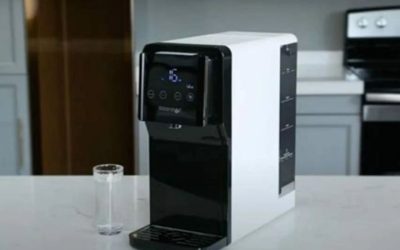
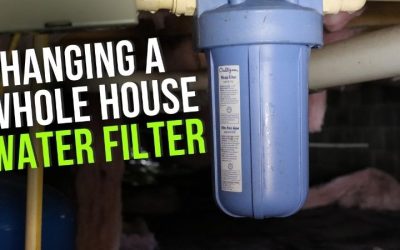
Where a contaminant sits decides where treatment goes. Whole-home issues like sediment or hardness are treated where the main line enters the house, needing utility-room space and often a plumber, while point-of-use concerns like lead at the kitchen tap suit an under-sink or countertop unit.
Renters and small kitchens should favor no-drill pitchers, faucet-mount, or countertop systems that move with them. Measuring the cabinet, counter, or utility area first ensures the treatment you choose for a given contaminant physically fits the spot where that contaminant needs to be addressed.
Frequently Asked Questions
A handful of questions come up again and again once people start looking closely at what is in their tap water. These short answers cover the practical points that shape a sensible response before you buy any filter for your home.
How do I know which contaminants are in my water?
Start with a test: city users can read their utility’s annual report for free, while well owners should use a certified mail-in lab kit. Testing turns vague worry into a short target list, which is the only reliable way to match a filter to your actual water.
Can one filter remove every contaminant?
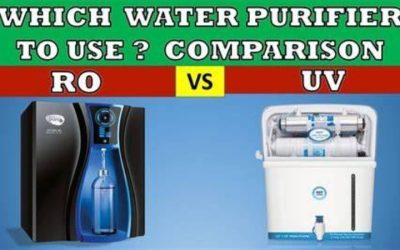
No single technology reduces everything, which is why honest products list exactly what they are certified to do. Carbon handles taste and chlorine, reverse osmosis covers the broadest range, and UV targets microbes, so many homes combine two methods to cover their specific mix of concerns.
Are boil-water advisories enough to make water safe?
Boiling kills bacteria and viruses but does nothing for chemicals, metals, or PFAS, and it can even concentrate some contaminants. Follow local advisories for microbial risk, but treat chemical concerns with a certified filter instead, since heat alone is not a substitute for proper filtration.
See More:
- Best eyeshadow blender brush
- Best frozen foods for air fryer
- Best frozen food for air fryer
- Best way to reheat steak in air fryer
- Best air fryer recipes book
Turning Water Contaminants Explained Into Action
With the main water contaminants explained, the practical path is simple: test your water, read the result against the NSF standards, and buy only the certification that matches your actual contaminant. Do not chase a filter that promises everything, because no single technology reduces every substance, and an honest system tells you precisely what it does. Health-related numbers like PFAS and lead limits shift over time, so recheck them against the current EPA position rather than an old article, and remember this guide is informational, not medical advice. Get the diagnosis right and the right filter follows naturally, contaminant by contaminant, source by source.