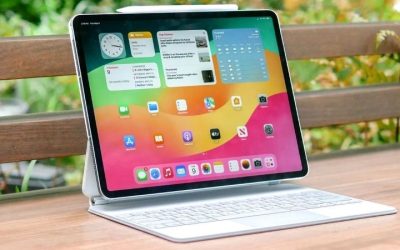
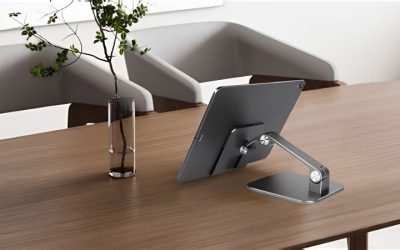
Tablet for gaming lives or dies on the chip and refresh rate, not marketing, so this roundup ranks each tablet for gaming by processor, screen Hz, RAM and cooling. We combine maker specs with long-term owner feedback, weigh sustained performance over peak numbers, and list one honest drawback per pick.
As an Amazon Associate we earn from qualifying purchases.
Our top picks
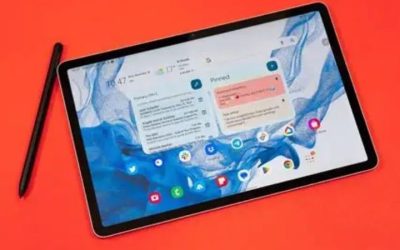
 Samsung Galaxy Tab A11+ 6GB RAM
- Generation: 11th Generation
- Warranty Description: 2 Year Manufacturer
- Specific Uses For Product: Entertainment, Student
11-inch 90Hz display delivers fluid motion for video and games
Dolby Atmos quad speakers add cinema-like sound
Backed by a 2-year manufacturer warranty
128GB of built-in storage may need a card for large files
Google Gemini and Circle to Search depend on software support


As an Amazon Associate we earn from qualifying purchases at no extra cost to you.
By Daniel Foster
Best Tablet for Gaming Ranked by Performance
The numbers that matter are the chip, the display refresh rate in Hz, RAM and how well the tablet holds speed under heat. The tiers below run budget to premium, and Amazon prices move often, so read them as guidance and confirm the live figure before you buy.
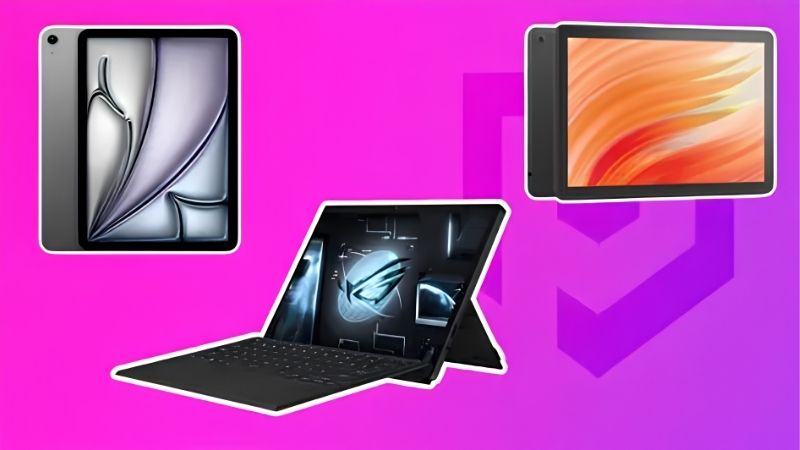
| Tablet | Chip / RAM | Screen | Tier |
|---|---|---|---|
| Xiaomi Pad 6 | Snapdragon 870 / 6-8GB | 11″ 144Hz LCD | Budget |
| Lenovo Legion Y700 | Snapdragon 8 Gen / 12GB | 8.8″ 144Hz LCD | Mid |
| OnePlus Pad 2 | Snapdragon 8 Gen 3 / 8-12GB | 12.1″ 144Hz LCD | Premium |
| Galaxy Tab S9 | Snapdragon 8 Gen 2 / 8-12GB | 11″ 120Hz AMOLED | Premium |
| Galaxy Tab S9 Ultra | Snapdragon 8 Gen 2 / 12-16GB | 14.6″ 120Hz AMOLED | Premium |
| Apple iPad Pro (M4) | Apple M4 / 8-16GB | 11-13″ 120Hz OLED | Premium |
Xiaomi Pad 6 (Budget)
The Xiaomi Pad 6 delivers a fast 11-inch 144Hz LCD and Snapdragon 870 at a budget price, a combination that runs most mobile titles smoothly. The high refresh rate makes fast-paced games feel fluid, and the bright, sharp screen and stereo speakers punch above the cost for play.
The 870 is a previous-generation flagship chip, so the most demanding titles at max settings will push it, and regional warranty can be limited. For casual and mid-tier gaming without spending big, it is one of the best value options and a strong first gaming tablet.
Lenovo Legion Y700 (Mid)
The Legion Y700 is a purpose-built compact gaming tablet: an 8.8-inch 144Hz LCD sized for two-handed grip, a Snapdragon 8-series chip, up to 12GB of RAM and fast charging. The small, dense screen and side-mounted ports suit landscape play without hands covering speakers or cameras.
The small size limits its use for reading and productivity, and availability varies by region. If your priority is a focused, portable tablet for gaming that feels like a big-screen handheld rather than a general slate, it is a standout that few mainstream tablets can match.
OnePlus Pad 2 (Premium)
The OnePlus Pad 2 pairs the flagship Snapdragon 8 Gen 3 with a 12.1-inch 144Hz LCD and up to 12GB of RAM, making it one of the smoothest large Android gaming tablets. Strong sustained performance and a big, fast screen suit both action titles and long strategy sessions.
It drops microSD and a headphone jack, so buy enough storage upfront and plan for wireless audio. The tall aspect ratio suits reading as much as widescreen games. For big-screen Android gaming that undercuts the priciest flagships, it delivers flagship speed at a keener price.
Samsung Galaxy Tab S9 (Premium)
The Tab S9 brings an 11-inch 120Hz AMOLED and Snapdragon 8 Gen 2, so games look vivid with deep blacks and stay smooth. IP68 water resistance, quad speakers and DeX make it a versatile flagship that games hard and doubles as a productivity and media tablet.
Its refresh tops out at 120Hz versus 144Hz rivals, and base storage fills fast, though microSD helps. For players who want a gorgeous AMOLED screen and an all-round premium slate rather than a gaming-only device, it is among the best tablet for gaming picks in colour.
Samsung Galaxy Tab S9 Ultra (Premium)
The Tab S9 Ultra scales everything up: a huge 14.6-inch 120Hz AMOLED, Snapdragon 8 Gen 2 and up to 16GB of RAM, delivering an immersive big-screen experience for games and streaming. The vast display and strong speakers make it feel closer to a portable monitor than a tablet.
It is large, heavy and expensive, with a display notch, so it is less comfortable held for long play. For a home-first gaming and entertainment centrepiece where screen size is the priority, it is unmatched; for portable handheld-style gaming, a smaller tablet fits far better.
Apple iPad Pro M4 (Premium)
The iPad Pro M4 is the most powerful tablet here: a desktop-class M4 chip and an OLED 120Hz ProMotion screen up to 13 inches, running Apple Arcade, high-end App Store titles and console streaming beautifully. Sustained performance and screen quality are class-leading for gaming.
It is the priciest option and iOS gaming and emulation are more restricted than Android. For players deep in the Apple world who also want a top creative and productivity device, the Pro is superb, though pure gamers often get better value from a fast Android tablet.
How to Choose a Tablet for Gaming
Match the chip, refresh rate and size to how and where you play before you buy, and weigh sustained speed over headline numbers. The points below settle most decisions faster than another benchmark table.
The Specs That Decide It
The deciding specs are the chip, the screen refresh rate in Hz, RAM and cooling. A flagship chip with 120 or 144Hz keeps fast games fluid, while ample RAM helps background apps and heavy titles. Sustained performance under heat matters more than a brief peak benchmark score.
Battery and speakers shape the experience too, since gaming drains cells fast and good stereo sound adds immersion. Deciding the chip and refresh rate first avoids buying a lovely screen driven by a weak processor that stutters in exactly the games you want to play.
Size and Fit for How You Play
Screen size trades immersion for comfort. A compact 8.8 to 11-inch tablet is easy to hold in landscape for action games and travels well, while a 12 to 14.6-inch panel is cinematic but heavy for long handheld sessions and better on a stand at home.
Consider grip and port placement, since side ports and speakers you do not cover with your hands improve landscape play. Check the weight in grams and how the tablet feels held for an hour, because a big screen that tires your arms undermines even the fastest gaming chip.
Battery, Storage and Timing
Gaming is hard on battery, so look for large cells and fast charging to get back into play quickly. Storage fills fast with big game installs, so favour higher capacity or microSD where offered, since a tablet for gaming without a card slot needs generous storage bought upfront.
On timing, the late-June Prime Day and November sales are the strongest discount windows for gaming tablets, and they are popular gifts in the holiday season, though Amazon shifts sale dates each year, so confirm the official ones before planning a purchase around them.
Tablet for Gaming FAQ
Players ask these questions most when picking a gaming slate, covering whether more Hz matters, small versus large screens and how Android and iPad compare for games.
Does a 144Hz screen matter for gaming?
Yes, if you play fast titles that run at high frame rates, since 120 or 144Hz makes motion clearly smoother than 60Hz. For casual or turn-based games the benefit is smaller. Also check the chip can actually push those frame rates, or the high refresh rate goes unused.
Is a small or large tablet better for gaming?
A compact 8.8 to 11-inch tablet is easier to hold in landscape and travels well, ideal for action games. A large 12 to 14-inch screen is more immersive for streaming and strategy but heavy to hold. Choose by whether you game on the move or mostly at home.
Android or iPad for gaming?
Android tablets often give higher refresh rates, more RAM and better value, plus flexible game and emulation options. iPad offers the most powerful chips, Apple Arcade and polished titles, but a more closed system. Pick Android for value and flexibility, iPad for raw power and app polish.
See More:
- Best eyeshadow blender brush
- Best frozen foods for air fryer
- Best frozen food for air fryer
- Best way to reheat steak in air fryer
- Best air fryer recipes book
Bottom Line on the Best Tablet for Gaming
The best tablet for gaming matches your chip, refresh rate and size to how you play: a Xiaomi Pad 6 for value, a Lenovo Legion Y700 for a compact handheld feel, and a OnePlus Pad 2, Galaxy Tab S9, S9 Ultra or iPad Pro M4 for flagship power and screens. Weigh sustained speed over peak numbers, check the weight against long sessions, and let Prime Day or the holidays set the price. Buy for the chip and the games stay smooth.