Tablet performance benchmark results only help if you read them right, not chase big numbers, so this tablet performance benchmark guide ranks five slates by chip, real speed and sustained power. We combine maker specs with long-term owner feedback, explain what benchmark tools measure, and list one honest drawback per pick.
As an Amazon Associate we earn from qualifying purchases.
Our top picks


As an Amazon Associate we earn from qualifying purchases at no extra cost to you.
By Daniel Foster
Tablet Performance Benchmark: Five Slates Ranked
Benchmark scores rank raw power, but sustained speed under heat and real-world feel matter just as much. The table below places five slates by performance tier, using relative standing rather than fixed scores, and Amazon prices move often, so confirm the live figure before you buy.
| Tablet | Chip | Performance tier | Price tier |
|---|---|---|---|
| Apple iPad Pro M4 | Apple M4 | Class-leading | Premium |
| OnePlus Pad 2 | Snapdragon 8 Gen 3 | Top Android | Premium |
| Apple iPad Air M2 | Apple M2 | Very high | Premium |
| Galaxy Tab S9 | Snapdragon 8 Gen 2 | High | Premium |
| Xiaomi Pad 6 | Snapdragon 870 | Strong value | Budget |
Apple iPad Pro M4 (Class-Leading)
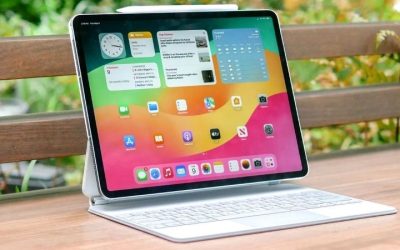
The iPad Pro M4 tops current tablet performance charts by a wide margin, using the same M4 chip family as Apple laptops. In CPU and GPU benchmarks it leads Android rivals clearly, and its active thermal design sustains that speed through long exports, heavy layers and demanding games.
It is by far the most expensive here, and much of its power sits idle for everyday tasks. For creative professionals and power users who genuinely tax a tablet, it is the fastest option, but casual users pay for headroom a mid-range slate would cover just as well.
OnePlus Pad 2 (Top Android)
The OnePlus Pad 2 runs the Snapdragon 8 Gen 3, which sits near the top of Android tablet performance in both CPU and GPU tests. It handles heavy multitasking and demanding games smoothly, and holds speed well under load, closing much of the gap to Apple for far less money.
Android has fewer apps optimised to fully exploit this power than iPadOS, and it lacks microSD. For buyers who want the fastest Android tablet experience at a keener price than an iPad Pro, it is the standout, delivering flagship benchmark standing without premium-Apple pricing.
Apple iPad Air M2 (Very High)
The iPad Air M2 brings laptop-class M2 power to a lower price than the Pro, scoring very high in benchmarks and running heavy creative apps with ease. For most demanding users it delivers nearly the Pro experience, with the same chip family driving strong sustained real-world speed.
It has a standard LCD rather than the Pro OLED and slightly less peak headroom. For serious productivity and creative work that does not need the absolute top tier, it is the smarter value, offering benchmark-leading power without the Pro premium in this tablet performance benchmark.
Samsung Galaxy Tab S9 (High)
The Galaxy Tab S9 uses the Snapdragon 8 Gen 2, a strong flagship chip that scores high and runs games and multitasking smoothly, paired with a vivid AMOLED screen and DeX desktop mode. It offers premium all-round performance rather than chasing the top benchmark score.
It trails the newer 8 Gen 3 and M-series chips in raw numbers, and can throttle under prolonged load. For a premium slate that balances high performance with a superb screen, a pen and productivity features, it is a well-rounded choice rather than a pure benchmark king.
Xiaomi Pad 6 (Strong Value)
The Xiaomi Pad 6 runs the Snapdragon 870, a previous-generation flagship chip that still scores strongly and feels fast in daily use, browsing, video and most games, at a budget price. For value performance, it punches well above its cost in everyday benchmarks and real use.
The 870 trails current flagships in demanding games and heavy sustained tasks, and warranty varies by region. For buyers who want genuinely fast performance without paying premium prices, it is the value benchmark pick, covering most needs that pricier slates handle only marginally better.
How to Read a Tablet Performance Benchmark
Scores are a guide, not the whole story, so knowing how to read them prevents overpaying for power you cannot use. Work through the points below before you let a benchmark chart decide your purchase, since real-world feel often differs from synthetic numbers.
What Benchmarks Actually Measure
Common tools each test different things: CPU-focused suites measure processing speed for apps and multitasking, graphics tests measure gaming and rendering power, and overall scores combine both. Read the type of benchmark, since a high gaming score means little if you only browse and take notes.
Scores vary by test version, conditions and software, so treat them as relative rankings, not absolute truths, and compare like with like. A tablet performance benchmark is most useful for placing a slate in a tier against rivals, rather than for its exact number, which shifts between tests.
Peak Versus Sustained Performance
A high peak score can mislead, because thin, fanless tablets often throttle under prolonged load, dropping speed to manage heat. A device with a lower peak but better sustained performance can feel faster in long gaming, video export or heavy multitasking sessions than a hotter rival.
For short bursts, peak power dominates and most tablets feel fast; for sustained work, cooling matters more. Weigh how long your demanding tasks actually run, and favour sustained results and thermal design over headline peak numbers if you push a tablet hard for extended periods.
Matching Power to Real Use
Match the performance tier to what you do, not the top of the chart. Reading, browsing, video and notes run smoothly on mid-range and even budget chips, so a class-leading benchmark buys nothing for those tasks. Save the money and spend it on storage, a screen or a pen instead.
Gaming, heavy multitasking, drawing with many layers and video editing genuinely reward a faster chip and more RAM. Deciding your real workload first prevents paying for benchmark bragging rights you will never use, or under-buying a slow slate that stutters on the demanding tasks you rely on.
Also consider how long you keep devices. If you upgrade every couple of years, a mid-tier chip is fine; if you keep a tablet for five years, extra headroom now delays the day it feels slow, so your upgrade plans should shape how much benchmark power you pay for today.
Tablet Performance Benchmark FAQ
These are the questions buyers ask most about tablet speed, covering whether benchmarks matter, how much power you need and Apple versus Android performance.
Do benchmark scores really matter?
They matter for comparing raw power and placing tablets in tiers, but only if your tasks need that power. For reading, browsing and notes, even budget chips feel fast, so a top benchmark buys nothing. For gaming, editing and heavy multitasking, higher scores do translate to a smoother experience.
How much performance do I actually need?
For everyday media, browsing and light apps, a mid-range or value chip like the Snapdragon 870 is plenty. For demanding games, drawing with many layers or video editing, choose a flagship chip and ample RAM. Match the tier to your heaviest regular task, not the occasional peak.
Is Apple or Android faster in benchmarks?
Apple M-series chips currently lead tablet benchmarks, with the M4 well ahead, while the top Snapdragon chips in Android tablets like the OnePlus Pad 2 sit close behind. iPadOS also has more apps built to use that power fully, though Android flagships handle most tasks just as smoothly.
See More:
- Best eyeshadow blender brush
- Best frozen foods for air fryer
- Best frozen food for air fryer
- Best way to reheat steak in air fryer
- Best air fryer recipes book
Bottom Line on Tablet Performance Benchmark
A tablet performance benchmark ranks power, but the right pick matches that power to your use: the iPad Pro M4 leads for demanding creative work, the OnePlus Pad 2 tops Android for less, the iPad Air M2 offers near-Pro power at value, the Galaxy Tab S9 balances speed with a great screen, and the Xiaomi Pad 6 delivers strong value performance. Read benchmark type and sustained results, not just peak scores, match the tier to your real workload, and let Prime Day or the holidays set the price. Buy the power you will use and speed feels right.