
Key takeaways
What's inside
Best rated at home espresso machine units bring authentic coffee shop quality into your kitchen with exceptional pressure control and thermal balance. Crafting rich espresso shots and silky microfoam at home saves money while delivering customizable coffee flavor. Our expert guide helps you select the right model for your counter.
As an Amazon Associate we earn from qualifying purchases.




By: Daniel Foster
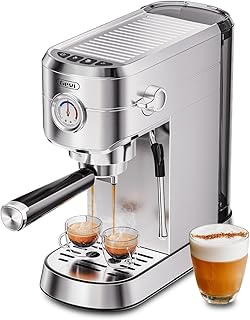
🛒 Best Price Today on Amazon
Prime members get fast, free shipping on everything above, plus member-only deals. New members get a 30-day free trial — cancel anytime.
How to Choose the Right best rated at home espresso machine
Evaluating countertop espresso appliances requires understanding how pressure, heating speed, and grind control impact your daily coffee extraction. Modern brewing systems balance automated convenience with manual precision to achieve rich crema and smooth body. Master key specs to secure optimal extraction pressure for your home.
Pressure Control and Pump Specifications
Achieving cafe-quality espresso requires an Italian pump that generates steady pressure to push hot water through finely ground beans evenly. A powerful 15-bar pump provides optimal force, while an internal valve regulates flow to maintain ideal pressure levels. Consistent pressure ensures balanced flavors without harsh bitterness.
Inconsistent pressure creates uneven extraction, yielding thin watery shots or overly bitter coffee drinks that ruin your morning routine. Look for built-in pressure gauges that offer visual feedback during active brewing sessions to fine-tune your technique. Investing in stable pump mechanics ensures flavorful espresso every morning.
Milk Texturing and Steam Systems
Preparing velvety lattes and cappuccinos relies on a powerful steam wand that injects air into fresh milk for microfoam texture. Manual wands give you complete control over milk aeration, whereas automatic frothers handle texturing with minimal effort. Choosing the right steaming wand guarantees cafe-style drinks at your home bar.
Basic milk frothers often create large soap-like bubbles rather than dense microfoam required for smooth latte art and creamy beverages. High-pressure steam systems heat milk rapidly while maintaining correct temperature levels for rich foam consistency. Selecting proper steam features ensures endless delicious milk-based coffee recipes.
Integrated Grinding and Bean Storage
Freshly ground coffee beans are essential for extracting complex aromatic flavors from high-grade specialty roast coffee beans. Choosing a machine with a built-in grinder simplifies your morning workflow while eliminating the need for separate equipment. Stainless steel conical burrs deliver precise grind sizes for uniform coffee extraction.
Pre-ground coffee loses delicate oils rapidly, leading to stale shots with minimal crema and flat flavor profiles in your cup. Integrated burr grinders allow customizable grind size adjustments to match specific roast profiles and bean varieties. Having an integrated grinder guarantees maximum freshness and aroma with every single shot.
Heating Architecture and Temperature Control
Maintaining exact water temperature during the extraction cycle prevents sour under-extraction or burnt coffee flavors. Advanced thermoblock heaters and PID temperature stability controls keep water at ideal extraction levels around two hundred degrees Fahrenheit. Precise thermal stability ensures consistent shot quality across every single brew.
Inconsistent water heating causes erratic flavor variations between consecutive shots, frustrating aspiring home baristas daily. Thermojet heating systems reach brewing temperature in seconds, eliminating lengthy warm-up delays before your morning coffee. Reliable thermal management guarantees smooth cafe-quality espresso without waiting.
Top Picks
Selecting the best rated at home espresso machine involves comparing real-world extraction quality, steam power, and counter space requirements. Below, we review top-rated appliances tested across espresso shots, lattes, and daily maintenance routines. Use this guide to find the perfect espresso maker for your countertop.
| Model | Type | Pressure System | Grinder | Key Feature |
|---|---|---|---|---|
| Breville Barista Express | Semi-Automatic | 15-Bar Italian Pump | Conical Burr | Integrated Burr Grinder |
| De’Longhi Dedica Deluxe | Compact Pump | 15-Bar Pressure | External Required | 5-Inch Slim Footprint |
| Gaggia Classic Pro | Commercial Manual | 15-Bar Ulka Pump | External Required | Solid Brass Group Head |
| Breville Bambino Plus | Compact ThermoJet | 15-Bar Pressure | External Required | 3-Second Heat-Up Time |
| De’Longhi Magnifica S | Fully Automatic | 15-Bar System | Integrated Burr | One-Touch Bean-to-Cup |
Breville Barista Express Espresso Machine
Designed for coffee enthusiasts seeking total control, the Breville Barista Express features an integrated conical burr grinder for ultimate freshness. Its dose-control grinding delivers exact coffee amounts directly into the portafilter for full flavor extraction. Digital temperature control ensures optimal brewing water heat every time.
On the downside, mastering manual tamping and grind size settings requires a learning curve for beginner coffee makers. The footprint also occupies significant counter space in smaller apartment kitchens during daily operation. Nevertheless, all-in-one brewing capability makes this unit a top choice for home baristas.
De’Longhi Dedica Deluxe Espresso Machine
When evaluating the best rated at home espresso machine options, the De’Longhi Dedica Deluxe excels with its sleek compact footprint for small kitchens. Measuring just five inches wide, this ultra-slim unit delivers fifteen bars of professional pressure without crowding counters. Fast thermoblock heating prepares espresso in thirty seconds.
Conversely, its lightweight frame requires holding the machine steady when locking in the heavy portafilter before brewing. The manual steam wand also takes longer to froth large milk pitchers compared to commercial-style units. Still, slim space-saving design and budget value make it a fantastic entry-level choice.
Gaggia Classic Pro Espresso Machine
Targeted at traditionalists who value durability, the Gaggia Classic Pro features heavy commercial-grade components built in Italy. A solid brass group head and fifty-eight millimeter portafilter deliver exceptional temperature stability during shot pulling. Independent rocker switches offer satisfying mechanical tactile feedback.
Downsides include a single boiler system that requires a short waiting period when switching between espresso brewing and milk steaming modes. The tight clearance between the portafilter and drip tray also restricts larger travel mugs. Overall, rugged commercial construction yields unmatched shot performance for purists.
Breville Bambino Plus Espresso Machine
Engineered for fast morning routines, the Breville Bambino Plus features rapid thermojet heating that reaches brewing temp in three seconds. Its automatic microfoam steam wand textures milk to your preferred temperature and foam level effortlessly. Compact stainless steel casing fits comfortably under standard kitchen cabinets.
However, finding the best rated at home espresso machine means noting that this compact unit lacks an integrated grinder, requiring pre-ground coffee or separate grinder purchases. The lighter weight can also cause minor movement during portafilter attachment. Nevertheless, rapid heating and auto-frothing make it an elite option.
De’Longhi Magnifica S Automatic Espresso Machine
Built for ultimate convenience, the De’Longhi Magnifica S acts as a fully automatic espresso maker that grinds, doses, and brews at one touch. Its integrated burr grinder prepares whole beans fresh for every cup, while customizable dial settings control coffee strength. Compact design preserves precious kitchen counter space easily.
On the negative side, plastic exterior trim feels less premium than stainless steel models at similar price points. The internal brew group also requires regular weekly rinsing and maintenance to prevent coffee oil buildup over time. Regardless, one-touch bean-to-cup automation provides unbeatable morning convenience.
Frequently Asked Questions
Understanding extraction mechanics, maintenance schedules, and milk texturing helps you choose the best rated at home espresso machine for your routine. Below, we address common queries regarding water quality, grind size, cleaning procedures, and shot timing to ensure you brew delicious drinks with total confidence.
How do you achieve silky microfoam for latte art?
Creating dense microfoam requires mastering proper milk frothing technique using cold fresh milk and a clean steam wand. Position the steam tip just below the milk surface to stretch it gently, then submerge slightly to create a rolling vortex. Proper technique produces glossy texture without large airy bubbles.
Using whole dairy milk or barista-edition oat milk yields the best foam stability due to ideal fat and protein ratios. Purging the steam wand before and after every use removes residual milk and prevents clogs inside internal steam passages. Consistent practice allows you to pour beautiful latte art at home.
What grind size is best for brewing espresso?
Selecting the best rated at home espresso machine requires using a fine, consistent grind size similar to table salt. If ground coffee is too coarse, water passes through too quickly, creating weak sour shots without crema. Fine grinds create necessary resistance for optimal nine-bar pressure extraction.
Conversely, grinding too fine chokes the machine, causing slow bitter drips or stopping water flow completely during extraction. Adjusting your burr grinder in small increments helps you dial in the ideal shot timing of twenty-five to thirty seconds. Matching grind size to your bean roast ensures balanced espresso flavor.
How often should you descale an espresso machine?
Regular machine maintenance prevents scale accumulation from hard water, protecting heating elements and maintaining pump pressure. Descaling every two to three months using a specialty solution removes mineral deposits safely without damaging internal seals. Using filtered water slows scale buildup significantly.
Ignoring scale buildup leads to unstable water temperatures, reduced steam wand pressure, and eventual internal component failures. Many modern appliances feature automated cleaning indicators that notify you when maintenance cycles are needed. Routine care extends machine longevity and preserves fresh coffee taste.
Is a manual or automatic espresso machine better?
Manual semi-automatic machines allow complete control over grind size, tamping force, and extraction timing for customized flavor profiles. Fully automatic machines handle grinding, tamping, and brewing with a button press, offering speed and consistency. Choosing depends on whether you enjoy barista craft or fast convenience.
Semi-automatic units require more practice but deliver higher shot quality once technique is perfected by coffee lovers. Automatic models save time during busy mornings but offer fewer options for fine-tuning specialty espresso beans. Selecting your preferred style guarantees a rewarding daily brewing experience.
Final Thoughts
Selecting the best rated at home espresso machine comes down to balancing manual control, brewing speed, and countertop space for your daily lifestyle. Whether you prefer bean-to-cup automation or hands-on barista craft, modern espresso makers deliver exceptional shot quality and rich milk drinks from your kitchen.




Write Your Review
No reviews yet. Be the first to share your experience!