
Key takeaways
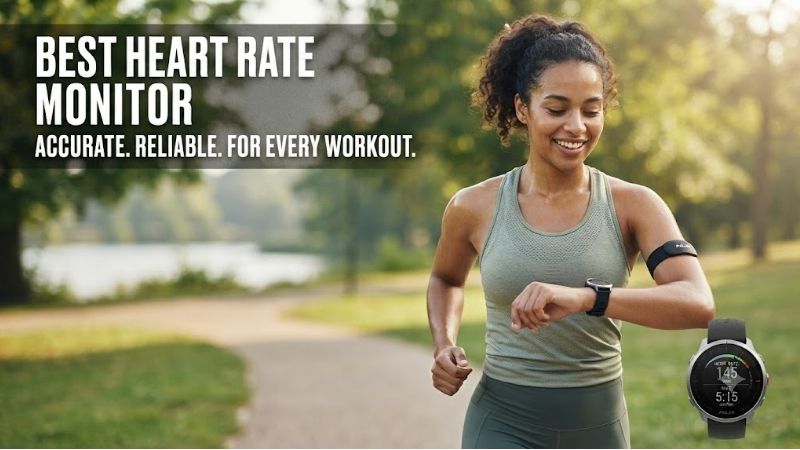
Best heart monitor selection requires evaluating sensor precision, wireless connectivity, and strap comfort during intense workouts. Whether you are training for a marathon or tracking casual cardio sessions, reliable real-time feedback helps you optimize exercise intensity and achieve key health milestones effectively.
Our top picks


As an Amazon Associate we earn from qualifying purchases at no extra cost to you. Ratings are shown as listed on Amazon.
By: Daniel Foster
🛒 Best Price Today on Amazon
Prime members get fast, free shipping on everything above, plus member-only deals. New members get a 30-day free trial — cancel anytime.
How to Choose the Right best heart monitor
Navigating best heart monitor choices requires matching key hardware specs with your daily physical conditioning routines. Assessing measurement mechanisms, battery endurance, and device synchronization ensures you purchase a dependable sensor that tracks workouts smoothly without unexpected connectivity drops during active sessions.
Sensor Precision and Type
Choosing between electrical ECG chest devices and optical armbands directly affects overall measurement accuracy. Chest units detect cardiac electrical signals, delivering near-lab telemetry for interval training. Meanwhile, optical sensors project light onto skin capillaries to measure volume changes with superior comfort.
High pulse accuracy remains essential for athletes monitoring cardiac zones during competitive events. While optical armbands offer great convenience and freedom of movement, chest strap sensor designs eliminate motion artifacts caused by arm swaying, guaranteeing reliable data during high-speed running workouts.
Connectivity Protocols and Memory
Modern fitness trackers feature dual Bluetooth and ANT+ wireless transmission standards. This versatile dual-band transmission allows simultaneous streaming to smartwatches, bike computers, and gym machines. Having multi-device Bluetooth capability ensures your live metrics broadcast smoothly without unpairing secondary apps.
Integrated workout memory provides essential backup when training without carrying mobile phones nearby. Devices with internal storage record your cardiac activity during swimming or team sports, automatically syncing completed workout files once reconnected to your primary workout mobile application or sports watch.
Strap Ergonomics and Build Quality
Wearing comfort directly influences workout consistency during long endurance exercise sessions. Soft fabric bands featuring non-slip silicone dots stay securely positioned on skin without causing painful chafing. Adjustable buckle mechanisms allow athletes to achieve optimal snugness without restricting natural breathing.
An anti-slip strap with solid build quality ensures your sensor remains firmly in place during intense physical movement. Waterproof rating standards determine whether a unit withstands heavy sweat accumulation, while removable sensor pods allow easy hand-washing of fabric straps to maintain hygienic freshness always.
Battery Endurance and Power Source
Evaluating battery mechanisms requires choosing between replaceable coin cells and rechargeable units. Standard coin batteries deliver up to 400 hours of continuous operation, eliminating frequent charging hassles for athletes who train daily across long seasonal conditioning programs and competitive sport events.
A rechargeable battery optical monitor utilizes magnetic USB cables to offer quick top-ups between gym sessions. While rechargeable options require more frequent plugging in, they eliminate coin battery disposal costs. Choosing energy-efficient designs ensures your device retains ample power throughout extended activities.
| Model | Sensor & Placement | Connectivity | Target User | Key Feature |
|---|---|---|---|---|
| Polar H10 | ECG Chest Strap | Dual BLE & ANT+ | Precision-focused athletes | Gold-standard ECG telemetry |
| Garmin HRM-Pro Plus | ECG Chest Strap | BLE, ANT+ & 5.0 | Runners & triathletes | Tool-free door & running dynamics |
| Wahoo TICKR X | ECG Chest Strap | Dual BLE & ANT+ | Indoor cyclists & runners | Onboard memory & motion analytics |
| COROS Heart Rate Monitor | Optical Armband | Multi-Bluetooth | Bicep/forearm wearers | Auto wear detection & zero-bounce |
| Scosche Rhythm+ 2.0 | Optical Armband | Dual BLE & ANT+ | Multi-sport gym goers | Waterproof IP68 & 24h battery |
Top Picks for best heart monitor
Selecting top picks for best heart monitor requires testing real-world accuracy, transmission range, and strap comfort. We evaluated highly rated products available on major retail sites to highlight models that deliver precise cardiac telemetry, robust water resistance, and dependable long-term hardware reliability.
Polar H10
The Polar H10 caters to serious athletes who demand pristine precision from a best heart monitor choice. Equipped with advanced ECG telemetry, anti-slip silicone dots, and dual Bluetooth channels, this chest strap delivers rapid pulse tracking during extreme cardiovascular training sessions with zero signal dropouts.
However, the sensor pod relies on replaceable coin cell batteries rather than rechargeable USB power. Additionally, setting up internal memory recording requires navigating Polar’s mobile companion application. Nevertheless, its legendary accuracy and durable build quality make it a gold-standard choice for training.
Garmin HRM-Pro Plus
The Garmin HRM-Pro Plus targets dedicated runners and triathletes wanting detailed biomechanical metrics. It captures real-time cadence, ground contact time, and stride length alongside exact heart metrics. A tool-free battery compartment door makes changing power cells simple and effortless for active users.
On the downside, the non-removable sensor pod means the entire strap must be replaced if the fabric eventually degrades. Its premium price tag also feels steep for casual gym attendees needing basic tracking. Still, its advanced running dynamics and robust memory storage deliver exceptional value for endurance pros.
Wahoo TICKR X
The Wahoo TICKR X caters to multi-sport athletes and indoor cycling enthusiasts needing versatile data tracking. Equipped with 50 hours of onboard memory, dual-band connectivity, and calorie burn analytics, this lightweight chest strap records workouts without requiring a smartwatch or mobile phone tethered nearby.
Regrettably, the snap-on connection snaps can rust over time if not thoroughly dried after sweaty workout sessions. Additionally, the fabric strap requires periodic tightening to prevent slipping during intense running. Overall, its impressive memory capacity and sleek profile provide fantastic daily utility.
COROS Heart Rate Monitor
The COROS Heart Rate Monitor targets athletes who prefer flexible bicep placement over restrictive chest bands. Featuring a high-grade optical armband array, magnetic charging cable, and automatic wear detection, this lightweight band turns on instant pairing as soon as you slide it onto your arm effortlessly.
Unfortunately, this device lacks ANT+ connectivity, limiting compatibility with older cycling computers. It also lacks internal memory for storing offline workouts without an active Bluetooth connection. Despite these omissions, its incredible comfort and 38-hour rechargeable battery make it an outstanding armband.
Scosche Rhythm+ 2.0
The Scosche Rhythm+ 2.0 is designed for fitness enthusiasts seeking a durable, waterproof armband for diverse routines. Its patented optical sensor technology tracks precise pulse measurement, while IP68 waterproof rating ensures reliable performance during torrential outdoor runs or intense rowing machine sessions.
However, the 24-hour battery life is shorter than competitor armbands, requiring more frequent recharging. The optical sensor can also experience minor lag during extreme weightlifting movements. Nonetheless, its rugged build and dual-band compatibility offer superb reliability for active cross-training workouts.
Frequently Asked Questions
Navigating sensor types, connectivity protocols, and accuracy metrics can raise questions when selecting workout hardware. To help you choose a best heart monitor confidently, we answered four common questions regarding chest straps, optical armbands, smartwatch synchronization, and routine strap maintenance.
Are Chest Straps More Accurate Than Wrist Smartwatches?
Yes, a dedicated chest strap sensor monitor offers superior accuracy compared to wrist-based optical sensors. Chest straps utilize micro-electrodes to measure the electrical impulses generated by cardiac contractions directly. This direct ECG measurement eliminates latency and provides instant feedback during workouts.
Conversely, wrist smartwatches rely on optical light sensors that can suffer from motion interference during heavy arm movements. Skin tone, body movement, and wrist flexion can cause occasional measurement spikes or lag. Choosing a dedicated chest sensor ensures pristine accuracy for serious athletic workout performance.
Can I Connect My Heart Rate Monitor to Gym Equipment?
Most modern heart rate sensors seamlessly pair with commercial gym equipment like treadmills, rowers, and stationary bikes. Devices equipped with open ANT+ or standard Bluetooth Smart connectivity broadcast real-time metrics directly to machine console displays, allowing effortless tracking without holding onto hand sensors.
Additionally, dual Bluetooth transmission capabilities allow your sensor to broadcast data to both gym machinery and your personal fitness app simultaneously. Checking equipment manual specifications ensures compatibility, enabling you to maintain accurate cardiovascular monitoring across diverse exercise machines.
How Should I Clean and Store My Heart Rate Strap?
Proper maintenance prevents salt buildup from dried sweat, which can damage delicate electrode surfaces and cause erratic readings. After every workout, rinse the fabric strap with warm water and unclip the transmitter pod. Machine or hand wash the strap weekly using mild detergent to keep materials fresh and functional.
When storing your sensor, detach the transmitter module from the strap snaps to prevent accidental battery drain. Store the unit in a cool, dry place away from direct sunlight and avoid folding electrode pads tightly. Following these care guidelines prolongs strap elasticity and maintains reliable sensor performance.
Do I Need a Mobile Phone Present During Workouts?
No, you do not always need a phone nearby while exercising if your monitor includes onboard memory storage. Devices equipped with built-in memory automatically record cardiac tracking data throughout workouts, saving entire activity sessions directly onto internal hardware chips until you return to your smartphone.
Once you re-enter Bluetooth range, opening your sports app triggers an automatic wireless synchronization to transfer saved workout logs. This standalone feature is ideal for swimmers, martial artists, and field sport players who cannot carry smart devices or wear wristwatches safely during competitive sports matches.
Final Thoughts
Selecting the best heart monitor comes down to balancing sensor accuracy, strap ergonomics, and connectivity requirements. By prioritizing cardiac tracking precision, battery longevity, and comfortable wear, you can elevate your conditioning routines. Upgrade your setup today to track your fitness metrics with total confidence.





Write Your Review
No reviews yet. Be the first to share your experience!