Key takeaways
- Homework and quick math practice: An LCD writing tablet is the right call. Kids working through multiplication tables or spelling lists don’t need to save anything, they need to write, check, erase, and repeat. Paper and pencil work too, but the tablet skips the waste and the sharpening.
- Grocery lists, phone-call notes, quick reminders: LCD writing tablet. It’s faster to grab than opening an app, and nobody needs that information after it’s read once.
- Toddler/preschool scribbling and motor-skill practice: LCD writing tablet, ideally a smaller 8.5″ model with a lock switch so a curious toddler doesn’t erase a sibling’s work.
- Note-taking you want to keep, search, or share (students, meetings): Neither of these, strictly speaking, this is the use case for a reflective-ink e-notebook (like a reMarkable-style device) or a stylus-equipped iPad. A basic drawing tablet without its own screen also works if you’re comfortable looking at a monitor while writing on a flat pad.
- Learning digital art as a hobby: An entry-level pen tablet (no built-in screen) in the $50–$150 range. You draw on the pad while looking at your monitor. The lack of a screen on the pad itself is a minor adjustment that most people get used to within a few sessions.
- Paid illustration, concept art, or professional design work: A pen display with a built-in screen, 4,096+ pressure levels, and tilt recognition. This is where the price climbs past $300, but the ability to draw directly on the image, with color-accurate screens on higher-end units, is close to non-negotiable for client work and print deadlines.
- Mobile sketching/illustration on the go: A tablet-and-stylus combo running a dedicated art app, since standalone pen displays are desk-bound and standalone LCD writing tablets can’t export anything.
What's inside
An LCD writing tablet is a battery-powered scribble pad that erases itself and never connects to a computer, while a drawing tablet (pen display or pen tablet) is a pressure-sensitive input device that works with software on a PC, Mac, or tablet to create files you can save, edit, and sell. One is a $8-$25 toy for doodling and quick notes; the other is a $50-$2,000+ creative tool for digital art, design work, or professional illustration. Mixing the two up is the single most common buying mistake in this category.
As an Amazon Associate we earn from qualifying purchases at no extra cost to you.

The Hardware Difference, Explained Simply
These two product types look similar in marketing photos (both are flat, screen-like, pen-operated), but the technology inside is unrelated.
LCD writing tablets use cholesteric LCD film
The thin screen on an LCD writing tablet is a layer of cholesteric liquid crystal that changes orientation under pressure from a plastic stylus, revealing a dark line. There’s no backlight, no digitizer, no processor doing image rendering, and no USB data connection on most models. A button triggers an electrical pulse that resets every pixel to blank. There is no save function. Once you press clear, the drawing is gone permanently. Some higher-end versions add a lock switch to prevent accidental erasing, but that’s the extent of the “memory” these devices have.
Drawing tablets use a digitizer and pressure-sensing pen
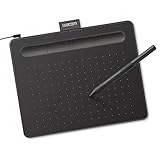
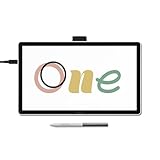
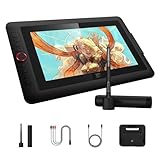
A drawing tablet (pen tablet) or pen display (LCD drawing tablet with a built-in screen) uses electromagnetic resonance (EMR) technology to track the stylus position, tilt, and pressure, then sends that data to a connected device through a USB or USB-C cable. Software like Krita, Clip Studio Paint, Photoshop, or Procreate (on iPad-style devices) interprets that data into strokes on a digital canvas. Everything is saved as a file. Current mid-range and higher models report 4,096 to 8,192 levels of pressure sensitivity, meaning the line can go from a faint hairline to a bold stroke based on how hard you press, something a cholesteric LCD toy simply cannot register since it’s binary (pressed or not pressed).
Spec Comparison
| Feature | LCD Writing Tablet | Drawing Tablet / Pen Display |
|---|---|---|
| Core technology | Cholesteric LCD film, pressure-triggered | EMR digitizer + pressure-sensing pen |
| Pressure sensitivity | None (on/off line only) | 4,096–8,192 levels on most 2026 models |
| Save/undo function | No | Yes, through connected software |
| Power source | 1 coin cell battery (CR2016/CR2025), lasts 6–12 months of normal use | USB/USB-C power from host device, or rechargeable battery in some pen tablets |
| Needs a computer or app | No, fully standalone | Yes, pairs with a PC, Mac, or compatible mobile device |
| Typical screen size | 8.5″ to 12″ diagonal | 10″ pen tablets up to 21.5″+ pen displays |
| Typical weight | 3–6 oz (85–170 g) | 1–6 lbs (0.5–2.7 kg) depending on screen size |
| Typical price range (2026) | $8–$25 | $50–$400 (pen tablets), $300–$2,000+ (pen displays) |
| File export/sharing | Not possible | PNG, PSD, layered files, print-ready exports |
Which One Matches Your Situation
Instead of asking which product is “better,” ask what you’re actually trying to accomplish. Here’s how the two sort out by use case.
- Homework and quick math practice: An LCD writing tablet is the right call. Kids working through multiplication tables or spelling lists don’t need to save anything, they need to write, check, erase, and repeat. Paper and pencil work too, but the tablet skips the waste and the sharpening.
- Grocery lists, phone-call notes, quick reminders: LCD writing tablet. It’s faster to grab than opening an app, and nobody needs that information after it’s read once.
- Toddler/preschool scribbling and motor-skill practice: LCD writing tablet, ideally a smaller 8.5″ model with a lock switch so a curious toddler doesn’t erase a sibling’s work.
- Note-taking you want to keep, search, or share (students, meetings): Neither of these, strictly speaking, this is the use case for a reflective-ink e-notebook (like a reMarkable-style device) or a stylus-equipped iPad. A basic drawing tablet without its own screen also works if you’re comfortable looking at a monitor while writing on a flat pad.
- Learning digital art as a hobby: An entry-level pen tablet (no built-in screen) in the $50–$150 range. You draw on the pad while looking at your monitor. The lack of a screen on the pad itself is a minor adjustment that most people get used to within a few sessions.
- Paid illustration, concept art, or professional design work: A pen display with a built-in screen, 4,096+ pressure levels, and tilt recognition. This is where the price climbs past $300, but the ability to draw directly on the image, with color-accurate screens on higher-end units, is close to non-negotiable for client work and print deadlines.
- Mobile sketching/illustration on the go: A tablet-and-stylus combo running a dedicated art app, since standalone pen displays are desk-bound and standalone LCD writing tablets can’t export anything.
Power and Setup Realities
LCD writing tablets run on a single replaceable coin cell battery, usually a CR2016 or CR2025, and that battery can last anywhere from six months to over a year depending on how often the clear button gets pressed, since that’s the only moment the device draws meaningful power. When the screen starts leaving faint ghost lines after clearing, that’s the first sign the battery is low, not a sign the unit is failing.
Drawing tablets and pen displays have no batteries to replace in most cases; power comes through the USB or USB-C connection to your computer. The setup step that trips people up isn’t hardware, it’s drivers. Pen tablets and pen displays need manufacturer driver software installed on the host computer to recognize pressure levels and custom pen buttons. Skipping this step still lets the device move the cursor, but pressure sensitivity won’t work, which defeats the purpose of buying one. After installing drivers, calibrating the pen (matching where you touch the pad to where the cursor appears) takes about two minutes and should be redone if you ever reposition a dual-monitor setup.
Durability and What Wears Out First
On LCD writing tablets, the failure point is almost always the clear button’s internal contact or the battery compartment’s spring contacts corroding over time, especially if a battery is left in for years without use. The screen film itself rarely fails from normal stylus pressure, but pressing with anything sharper than the included plastic stylus (a pen tip, a fingernail) can permanently scratch or crack the cholesteric layer, leaving a dead line across the display.
On drawing tablets, the pen nib is the real consumable. Nibs wear down from friction against the glass or textured surface and typically need replacing every few months of regular use, most manufacturers sell replacement nib packs for under $10. On pen displays, the glass surface can develop a parallax gap (a visible offset between the pen tip and the cursor) over years of heavy pressure, and etched or textured screen protectors wear down nib life faster than smooth glass. Battery-powered wireless pens, where used, typically run 8–15 hours per charge and degrade gradually like any lithium battery.
Cost Per Use, Roughly Calculated
For a $15 LCD writing tablet used daily for two years before the button wears out, that’s roughly 730 uses at about 2 cents per use, plus two or three battery swaps at $2 each. For a $400 pen display used for three years of paid freelance work producing even one $50 commission a month, the device pays for itself in under three months, after which every additional project is close to pure profit minus electricity and the occasional $8 nib pack. The two devices aren’t competing for the same budget because they aren’t solving the same problem.
Bottom Line
Buy an LCD writing tablet for disposable, no-save scribbling: homework drills, phone notes, kids’ doodles. Buy a drawing tablet or pen display when the output needs to exist after you turn the device off, whether that’s a saved sketch, a client file, or a portfolio piece. If you’re unsure which camp your use case falls into, ask whether you’d ever want to open yesterday’s drawing again. If yes, the LCD writing tablet was never the right tool to begin with.