Key takeaways
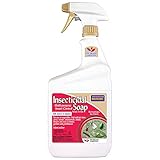
- For 1-2 plants with visible white cottony clusters: Ready-to-use insecticidal soap such as Garden Safe Insecticidal Soap or Bonide Insecticidal Soap. No mixing, direct contact kill, lowest leaf-burn risk when used in evening.
- For delicate, fuzzy, or thin-leaved plants where oil spotting is a concern: Insecticidal soap first, avoid neem oil until plant recovers. Use cotton swab with 70% isopropyl alcohol for single mealybugs in leaf joints.
- For 10+ houseplants or plants with mealybugs in roots and crevices: Systemic granules such as Bonide Systemic Houseplant Insect Control 8 oz. Watered in once, protects for up to 8 weeks without repeated spraying.
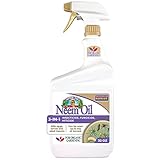
- For prevention after treatment: Cold-pressed neem oil concentrate such as Bonide Captain Jack’s Neem Max or Garden Safe Neem Oil Extract. Mix fresh and apply every 7-14 days for 3 applications.
- For succulents, jade, hoya, and orchids with waxy leaves: Insecticidal soap or diluted alcohol spot treatment. Oil-based sprays can leave permanent spots on farina and velvety succulent coating.
What's inside
The best insecticide for mealybugs on indoor plants is insecticidal soap for fast contact kill on visible clusters, cold-pressed neem oil for repelling crawlers and preventing reinfestation, and imidacloprid-based systemic houseplant granules such as Bonide Systemic Houseplant Insect Control for severe or recurring infestations that sprays cannot reach.
For delicate houseplants like calathea, ferns, African violets, and young philodendrons, start with insecticidal soap spot treatment, then add systemic granules if mealybugs return after two weeks. Neem oil works best as a follow-up and preventive, not as a sole treatment for a heavy infestation.
As an Amazon Associate we earn from qualifying purchases at no extra cost to you.


Quick picks by plant situation
- For 1-2 plants with visible white cottony clusters: Ready-to-use insecticidal soap such as Garden Safe Insecticidal Soap or Bonide Insecticidal Soap. No mixing, direct contact kill, lowest leaf-burn risk when used in evening.
- For delicate, fuzzy, or thin-leaved plants where oil spotting is a concern: Insecticidal soap first, avoid neem oil until plant recovers. Use cotton swab with 70% isopropyl alcohol for single mealybugs in leaf joints.
- For 10+ houseplants or plants with mealybugs in roots and crevices: Systemic granules such as Bonide Systemic Houseplant Insect Control 8 oz. Watered in once, protects for up to 8 weeks without repeated spraying.
- For prevention after treatment: Cold-pressed neem oil concentrate such as Bonide Captain Jack’s Neem Max or Garden Safe Neem Oil Extract. Mix fresh and apply every 7-14 days for 3 applications.
- For succulents, jade, hoya, and orchids with waxy leaves: Insecticidal soap or diluted alcohol spot treatment. Oil-based sprays can leave permanent spots on farina and velvety succulent coating.
Head-to-head comparison: neem oil vs insecticidal soap vs systemic granules
These three types work in completely different ways. Soap dissolves the waxy coating on mealybugs and dehydrates them on contact. Neem oil containing azadirachtin disrupts feeding and reproduction and coats eggs and crawlers. Systemic granules are absorbed by roots and make the plant sap toxic when mealybugs feed.
| Feature | Insecticidal Soap RTU Spray | Neem Oil Concentrate | Systemic Granules |
|---|---|---|---|
| Example size | 32 fl oz ready-to-use spray bottle | 16 fl oz concentrate, makes up to 16 gallons at 1 fl oz per gallon | 8 oz shaker canister granules |
| Active ingredient | 1-2% potassium salts of fatty acids | 70% clarified hydrophobic neem oil or cold-pressed neem with 0.5-1% azadirachtin | 0.22% imidacloprid |
| Application frequency for mealybugs | Every 5-7 days, 3-4 applications | Every 7-14 days, 3 applications minimum | Once, reapply after 8 weeks only if needed |
| Typical spray volume per 6-inch plant | 2-4 fl oz to wet, 6-8 fl oz for large 10-inch plant | 3-5 fl oz mixed spray per 6-inch plant | No spray, 1-2 teaspoons granules per 6-inch pot watered in with 8-12 fl oz water |
| Time to see reduction | 24-48 hours on contacted insects | 5-10 days, best on nymphs and crawlers | 10-21 days for full systemic uptake |
| Leaf safety on delicate plants | High if dried in shade, test ferns and palms first | Medium, can cause oil burn above 85F or on wet leaves | High, no leaf residue, avoid use on edible herbs |
| General market price range | 8 to 14 dollars for 32 oz RTU | 12 to 22 dollars for 16 oz concentrate | 12 to 20 dollars for 8 oz canister |
Insecticidal soap: safest first spray
Insecticidal soap is the most plant-safe spray for indoor use because it has no residual oil film and breaks down within hours. It only kills what it directly wets, which is ideal for mealybugs clustered on stems and leaf undersides. Coverage matters more than strength. A light mist will not penetrate the cottony egg sac.
Apply until leaves are uniformly wet and solution starts to drip from the underside, about 2 to 4 fluid ounces for a typical 6-inch pothos or peperomia. Move the plant to a shower or sink, spray top and bottom of every leaf, stems, and petiole joints, then let dry out of direct sun and grow lights for 4 to 6 hours. Repeat in 5 to 7 days to catch newly hatched crawlers, which are not protected by wax yet.
Neem oil: best for crawlers and prevention
Neem oil does not give instant knockdown of adult mealybugs. Adults with thick wax often survive a single neem spray. Its value is against crawlers, eggs, and as an antifeedant that stops population growth.
Concentrate must be mixed fresh with lukewarm water plus an emulsifier, usually 1 tablespoon mild liquid soap per gallon unless the label includes one. A standard indoor mix is 1 to 2 tablespoons neem concentrate per gallon of water, which equals 0.5 to 1 teaspoon per 32 oz spray bottle. Shake every 30 to 60 seconds while spraying because oil and water separate quickly. Spray in the evening and keep humidity moderate so leaves dry within 2 hours. Do not apply to drought-stressed, newly repotted, or freshly misted plants. African violets, begonias with fuzzy leaves, maidenhair ferns, and succulents with farina are most likely to spot.
Systemic granules: best for hidden and root mealybugs
Systemic granules solve the main limitation of sprays: mealybugs hidden in leaf sheaths, unfurled new leaves, bark crevices, and roots. After watering in, the active ingredient moves through the plant for 6 to 8 weeks.
For Bonide-type 0.22% imidacloprid houseplant granules, the typical indoor rate is 2 tablespoons per 6-inch pot diameter or 1 teaspoon per 4-inch pot, sprinkled evenly on soil and watered in thoroughly. An 8 oz canister contains about 48 teaspoons and treats roughly 24 six-inch pots for one application, which explains why it is economical for collections despite higher upfront cost. Do not use системics on herbs, vegetables, or plants placed outdoors where pollinators visit flowers. Keep away from pets until watered in and soil surface is dry.
How much product do you actually need
Mealybug treatment fails most often from under-spraying, not from choosing the wrong brand. Use this calculation to plan coverage.
A 32 oz ready-to-use soap or neem RTU bottle delivers about 8 to 12 full treatments for a 6-inch plant at 3 oz per treatment, or 4 to 5 treatments for a large 10-inch monstera at 7 oz per treatment. For a collection of 6 medium plants treated 3 times at weekly intervals, you need 54 oz total, which means two 32 oz bottles.
With concentrate, 16 oz neem at 1 fl oz per gallon makes 16 gallons or 2,048 fl oz. At 4 oz per plant per application, that is enough for 512 plant-treatments, or about 170 plants treated three times. Concentrate is significantly cheaper per use for more than 5 plants, while RTU is cheaper and safer for 1 to 2 plants because there is no mixing error.
With systemic granules, calculate by pot size, not plant height. Example: 10 plants in 6-inch pots need 20 teaspoons total, less than half of an 8 oz canister. One canister typically covers two full applications for a 10-plant collection across a 4-month period.
Decision matrix: match treatment to your situation
| Your situation | Choose this first | Why |
|---|---|---|
| Beginner, 1-3 common plants like pothos or spider plant | Insecticidal soap RTU | Premixed, low burn risk, no measuring, easy rinse if overapplied |
| Delicate or expensive plant, thin or fuzzy leaves | Alcohol swab plus soap spot spray | Avoids oil film, targets insects without coating whole leaf |
| Large collection, mealybugs keep returning | Systemic granules plus soap for visible insects | Granules reach hidden feeders, soap gives immediate reduction while systemic activates |
| Small apartment, sensitive to odor and spray drift | Systemic granules | No airborne oil mist, no repeated bathroom spraying |
| Low budget, few plants | 16 oz neem concentrate or soap RTU | Concentrate lowest cost per use, RTU lowest upfront cost |
| Orchids, succulents, hoya with tight crevices | Systemic granules plus manual removal | Sprays cannot reliably penetrate bracts and leaf joints where mealybugs hide |
How to treat mealybugs without damaging leaves
Leaf burn comes from heat, light, and prolonged wetness combined with soap or oil, not from the insecticide alone. Follow this sequence to reduce risk.
- Isolate the infested plant and prune the most heavily infested leaf or stem if more than 50 percent is covered. Bag and discard prunings, do not compost indoors.
- Rinse the plant with a strong stream of lukewarm water in the shower to physically remove adults, honeydew, and sooty mold. Let excess water drain for 30 minutes.
- Dab remaining large clusters with a cotton swab dipped in 70% isopropyl alcohol. This dissolves wax and kills adults instantly without spraying the whole plant.
- In the evening, apply insecticidal soap or diluted neem to all surfaces until wet, especially leaf axils and undersides. Turn off grow lights and move away from south windows until dry.
- Check in 5 days with a magnifier. If live crawlers or new cottony spots appear, reapply. Add systemic granules at this point if you find mealybugs in soil, roots, or deep crevices.
- After control, wipe honeydew with damp cloth and replace the top 1 inch of potting mix where eggs may have fallen. Wash saucers and nearby shelves because crawlers can survive off-plant for several days.
Durability and ownership realities
Mixed neem spray loses effectiveness within 8 hours and should never be stored for later use. The oil goes rancid and the emulsion breaks, which increases spotting risk. Mix only what you need for one session. Ready-to-use soap lasts 2 to 3 years unopened but the trigger sprayer is usually what fails first. Rinse the nozzle with warm water after each use to prevent clogging from fatty acid salts.
Common mistakes are spraying in direct sun, using dish detergent instead of true insecticidal soap, doubling neem concentration for faster results, and stopping after one application. Mealybug eggs hatch over 7 to 10 days, so a single spray always misses the next generation. Underdosing systemic granules and watering lightly afterward also causes failure because the ingredient never reaches the root zone.
Systemic granules remain active in soil for up to 8 weeks. Do not reapply sooner to speed control. Overapplication can cause leaf yellowing, especially on sensitive dracaena and ferns, and increases risk to pets that chew soil. Cover granules with a thin layer of fresh mix and water thoroughly after application.
Frequently asked questions
Will neem oil kill mealybugs on contact?
Clarified neem oil smothers some crawlers on contact but rarely kills wax-covered adults in one application. Expect population decline over 2 to 3 weekly sprays as feeding and reproduction are disrupted, not immediate disappearance.
Is insecticidal soap safe for all houseplants?
No. Most houseplants tolerate true insecticidal soap, but test first on ferns, palms, calathea, croton, and plants with hairy or waxy leaves. Spray one leaf, wait 48 hours, then treat fully if no yellowing or browning appears.
When should I use systemic granules instead of spray?
Use granules when mealybugs are in roots, inside unfurled leaves, on more than one-third of the plant, or when they return within 3 weeks after thorough spraying. Allow 2 to 3 weeks for uptake and continue spot-treating visible insects with soap in the meantime.
Can mealybugs live in potting soil?
Yes. Citrus and root mealybugs live below the soil line and on roots, where sprays never reach. If you see white fuzz on drainage holes or roots during repotting, systemic granules and fresh sterile potting mix are more effective than foliar spray alone.