Key takeaways
- Strip and dry all bedding on high heat, then install zippered encasements rated for bed bugs (brands such as SafeRest and Protect-A-Bed make them).
- Steam mattress seams, tufts and the bed frame slowly, around 1 inch per second.
- Apply a light film of silica gel dust into frame joints and outlet boxes (power off, faceplate removed).
- Put interceptor cups such as ClimbUp under each bed leg and pull the bed 6 inches from the wall.
What's inside
The best bed bug killer for most homes is not one product but a combination: a residual silica or diatomaceous earth dust for cracks and voids, a contact spray labeled for bed bugs, laundering everything washable on high heat, and sealed mattress encasements. Single products almost never finish the job on their own, because bed bugs hide in seams, outlets and furniture joints that a spray never reaches, and many populations now shrug off common pyrethroid insecticides.
This guide sorts the consumer options by what they actually do, how fast they work, and where they fail, so you can build a plan instead of buying a can and hoping.
As an Amazon Associate we earn from qualifying purchases at no extra cost to you.


The best way to kill bed bugs: match the method to the hiding spot
Bed bugs spend most of their time in harborages within about 8 feet (2.5 m) of where people sleep: mattress piping, box spring fabric, bed frame joints, headboard screws, baseboards, picture frames and electrical faceplates. Each spot calls for a different tool.
| Method | How it kills | Speed | Residual effect | Typical cost range | Best used on |
|---|---|---|---|---|---|
| Silica gel dust (e.g. CimeXa) | Strips the waxy coating, bugs dehydrate | 1 to 3 days after contact | Months if left undisturbed and dry | $15 to $30 per container | Wall voids, outlets, bed frame joints, behind baseboards |
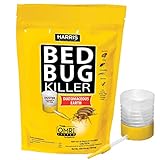
| Diatomaceous earth labeled as an insecticide | Abrasion and dehydration | Several days to 2 weeks | Long, while dry | $10 to $25 | Cracks and voids, under furniture edges |
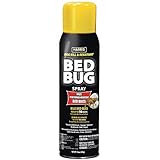
| Contact spray (non-residual, e.g. Bedlam, Harris) | Kills bugs it wets directly | Minutes to hours | Little to none once dry | $10 to $25 per can or bottle | Visible bugs, mattress seams where the label allows |
| Residual liquid labeled for bed bugs | Contact plus a treated surface | Hours to days | Weeks, varies by label and resistance | $15 to $40 | Bed frames, baseboards, carpet edges |
| Clothes dryer on high heat | Heat | 30 minutes after items are dry | None | Pennies per load | Bedding, clothing, stuffed toys, shoes |
| Handheld steamer | Heat at the nozzle | Seconds at contact | None | $40 to $200 | Mattress tufts, sofa seams, carpet edges |
| Mattress and box spring encasement | Traps and starves bugs inside | Must stay on 12 to 18 months | Protection for life of the cover | $30 to $100 per piece | Mattress and box spring |
| Interceptor cups under bed legs | Trap bugs climbing up or down | Ongoing | Monitoring tool | $15 to $35 for a set of 4 to 8 | Bed and sofa legs |
Why foggers and single sprays disappoint
Total-release foggers (“bug bombs”) are the most common wasted purchase. The mist settles on open, horizontal surfaces, while bed bugs sit in seams and cracks the fog never penetrates. University research has found foggers had little effect on bed bugs hiding under cover, and the aerosol can push bugs deeper into walls or into neighboring rooms. Foggers also carry fire and inhalation risks if label directions are not followed exactly.
Many store sprays rely on pyrethrins or pyrethroids. Bed bug populations across North America and Europe have widely documented resistance to these chemicals, so a spray can appear to work on the few bugs you hit while the hidden population carries on. Products that combine an active from a different class, or desiccant dusts that work physically, are less affected by this resistance.
Picks by situation
Early, small infestation in one bedroom
- Strip and dry all bedding on high heat, then install zippered encasements rated for bed bugs (brands such as SafeRest and Protect-A-Bed make them).
- Steam mattress seams, tufts and the bed frame slowly, around 1 inch per second.
- Apply a light film of silica gel dust into frame joints and outlet boxes (power off, faceplate removed).
- Put interceptor cups such as ClimbUp under each bed leg and pull the bed 6 inches from the wall.
Several rooms, or bugs on the sofa
Combine the steps above with a residual product labeled for bed bugs on frames and baseboards, and treat upholstered furniture with steam plus a contact spray where the label permits. Expect to repeat inspections and spot treatments every 7 to 14 days for at least 6 to 8 weeks, because eggs hatch in roughly 6 to 10 days and are hard to kill with most sprays.
Apartments and multi-unit buildings
Bugs travel through shared walls and plumbing chases. DIY work in one unit often just moves the problem. Notify your landlord or building manager; in many areas they are responsible for coordinated professional treatment.
Heat numbers worth knowing
| Condition | What extension and pest-management guidance reports |
|---|---|
| 113°F (45°C) | Adults die with roughly 90 minutes of sustained exposure |
| 118°F (48°C) | Adults die in about 20 minutes; eggs need about 90 minutes |
| Dryer, high setting | At least 30 minutes after the load is fully dry |
| Freezing | 0°F (-18°C) held for about 4 days at the item’s core |
| Washing alone | Hot water helps, but the dryer step is what reliably kills |
Portable heat chambers and bags are sold for luggage and books. They work if the core of the load reaches the target temperature, so pack loosely and use a thermometer probe placed in the middle of the load.
A realistic 6-week DIY plan
- Day 1: Confirm it is bed bugs (flat, apple-seed-sized brown insects, rusty spots on seams, shed skins). Reduce clutter, bag washables, dry them hot, and keep them sealed until the room is treated.
- Day 1 to 2: Vacuum seams and cracks with a crevice tool, then seal and discard the vacuum bag or contents outdoors.
- Day 2: Steam the mattress, box spring and furniture seams. Fit encasements.
- Day 2 to 3: Apply dust to voids and frame joints; apply labeled sprays only where the label allows.
- Weekly: Check interceptors and seams, spot treat, and record what you find.
- Week 6 onward: Keep encasements and interceptors in place. Several clean weekly checks in a row are a good sign, not a guarantee.
Safety and label rules
- The label is the law for pesticides: use only products that list bed bugs and the specific surface (mattress, furniture, carpet), at the stated rate.
- Never apply outdoor or agricultural products indoors, and never use rubbing alcohol or gasoline on bedding; both are serious fire hazards.
- Apply dusts as a barely visible film. Heavy piles are less effective and easier to inhale. Wear a dust mask when applying.
- Keep children and pets out of treated areas until sprays dry, and follow re-entry times on the label.
- Bites affect people differently. For skin reactions or concerns, talk with a doctor or pharmacist.
When to call a professional
Call a licensed pest control operator if you still find live bugs after 3 to 4 weeks of consistent effort, if bugs appear in more than two rooms, if you live in a shared building, or if anyone in the home is elderly, pregnant or has respiratory issues that make DIY chemical use a bad idea. Professional whole-room heat treatment and products not sold to consumers can resolve infestations that store options cannot. Typical professional costs run from a few hundred dollars for a single room to well over $1,000 for whole-home heat, so it is worth getting two quotes and asking about follow-up visits.
Bottom line
If you buy only two things, make them bed bug encasements and a silica gel dust, then add a dryer routine and interceptor cups. Use contact sprays as a supplement for bugs you can see, skip foggers, and bring in a professional early if the problem is spreading.