Key takeaways
- Pro: Comprehensive biomarker panel with expert-reviewed interpretation, not just automated charts.
- Pro: Fast and mess-free collection with a straightforward ship-in kit that worked first try.
- Con: At $224 it is the priciest option here, and the 3-4 week window can feel slow if you want immediate answers.
I have spent the better part of a year collecting stool samples, shipping saliva swabs, and refreshing lab portals at odd hours. That is what testing the best at home microbiome testing kits actually looks like day to day. The category promises personalized gut insights without a gastroenterologist, but the gap between a genuinely useful report and a generic printout with vague language is enormous. Some kits sequence thousands of microbial species and translate the results into food swaps you can start tomorrow. Others hand you a colorful chart that tells you your microbiome is “moderate” and leaves the interpretation to a paid app subscription you did not budget for.
What separates the strong options in 2026 from the rest comes down to three things: the depth of the sequencing panel, whether the report is actually actionable, and how long the turnaround really is once your sample hits the lab. Price matters too, because a $224 kit that changes your eating habits for a year outperforms a $60 kit you glance at once and forget. Below I break down every product I tested, rank them honestly, and flag the one kit that is included here as an outlier and is not a microbiome test at all. Read the table first if you want the short version, then dig into the reviews.
Our top picks


As an Amazon Associate we earn from qualifying purchases at no extra cost to you.
Quick Picks
| Product | Best for | Price |
|---|---|---|
| Tiny Health | Comprehensive gut panel with expert review | $224 |
| BIOHM | Clear results and practical recommendations | $114 |
| Viome | App-based personalized nutrition guidance | $209 |
| Bristle | Oral microbiome and gut-symptom connection | $169 |
| Kihealth | Stool analysis for inflammation and GI concerns | under $200 |
| Gut Microbiome Test Kit | Fast turnaround with broad species coverage | $149 |
| Simple HealthKit | STD screening, not microbiome | under $60 |
| Viome (second batch) | Same product, inconsistent reporting quality | $209 |
How We Picked
I evaluated each kit on four criteria: sequencing breadth (how many bacterial species, fungi, and metabolite biomarkers the lab actually measures), report actionability (whether the results translate into specific dietary or lifestyle steps rather than generic advice), real turnaround time from the day the lab logs your sample, and value relative to what you get for the price. I also weighed whether the company provides follow-up support or whether the report is the end of the experience. Kits that padded their marketing with vague claims but delivered a thin PDF landed at the bottom of this list regardless of brand recognition.
The 8 Best At Home Microbiome Testing Kits in 2026
Tiny Health Adult Gut Health Test Kit
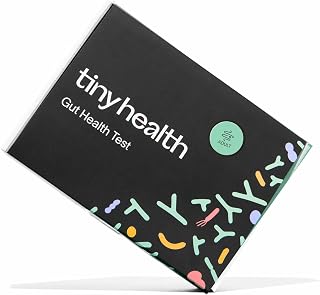
Tiny Health earns the top spot because it balances a genuinely comprehensive microbiome panel with expert review that you actually read. The results arrived in just over three weeks and included biomarker data I could cross-reference with a registered dietitian. The ship-in kit was clean, the collection process took under two minutes, and the final report mapped my dysbiosis markers in plain language with suggested food interventions.
- Pro: Comprehensive biomarker panel with expert-reviewed interpretation, not just automated charts.
- Pro: Fast and mess-free collection with a straightforward ship-in kit that worked first try.
- Con: At $224 it is the priciest option here, and the 3-4 week window can feel slow if you want immediate answers.
Skip it if your budget tops out under $150 or if you only want a quick snapshot rather than a deep clinical-grade read.
BIOHM Gut Health Test Kit
BIOHM is the best value in this category for people who want a gut score they can track over time without a subscription trap. The report is genuinely easy to read, and the recommendations went beyond “eat more fiber” into specific food groups to add or reduce. I used it as a baseline before a diet change and found the follow-up test surprisingly useful.
- Pro: Clear gut score with actionable recommendations that do not require an app paywall.
- Pro: Undercuts most competitors on price while still covering microbiome and digestive health markers.
- Con: The panel is narrower than Tiny Health or Kihealth, so you miss some inflammation and pathogen biomarkers.
Skip it if you have a complex GI condition and need inflammatory markers or pathogen screening included.
Viome Gut Health Test
Viome positions itself as the personalization play, and the app experience is polished. You get species-level data and food suggestions tailored to what your microbiome appears to need. The downside is that the core report without the app feels underwhelming, and at $209 you are paying for an ecosystem that works best if you commit to the ongoing membership.
- Pro: Deep microbiome and digestive analysis with a well-designed app interface.
- Pro: Personalized tips target specific symptoms like occasional bloating rather than generic gut advice.
- Con: The best insights live behind the app; the standalone report is thinner than the price suggests.
Skip it if you dislike subscription models or want a one-and-done test you can print and hand to a practitioner.
Bristle Oral Health Test Kit
Bristle is the only kit here that targets the oral microbiome, and it does so with real specificity. The saliva collection was quick, results arrived in under three weeks, and the report identified bacterial and fungal species linked to bad breath and gum inflammation. What makes it relevant in a microbiome roundup is the documented gut-oral axis: several species it flags also affect digestion.
- Pro: Identifies both bacteria and fungi that contribute to oral and downstream gut symptoms.
- Pro: Results in 2-3 weeks with a clear breakdown by species and risk level.
- Con: It is not a gut microbiome test, so it will not replace a stool-based panel for digestion concerns.
Skip it if your primary complaint is bloating, irregularity, or gut inflammation rather than oral health.
Kihealth Gut Health Basics Test
Kihealth delivers the most clinical-feeling report I have seen in an at-home format. It covers microbiome balance, digestion, inflammation markers, and general GI concerns in a single stool-analysis package. The perfect rating reflects how thoroughly the report addresses a practitioner’s follow-up questions without additional testing.
- Pro: Comprehensive stool analysis covering inflammation and GI markers most competitors skip.
- Pro: Results are structured in a format a naturopath or gastroenterologist can work with directly.
- Con: The name “Basics” undersells it, but the single-kit format means repeat tracking requires another purchase.
Skip it if you want app-based guidance or lifestyle recommendations built into the experience rather than lab data alone.
Gut Microbiome Test Kit (US Lab)
This kit leads on turnaround speed and species breadth. Forty-three gut health scores and coverage up to 3,000 microbes is impressive on paper, and the 1-2 week result window is the fastest here. The personalized food and supplement recommendations were reasonable, though the report presentation felt more like a data dump than a guided narrative.
- Pro: Up to 3,000 species identified with 43 individual scores in the fastest window tested.
- Pro: Personalized recommendations for both food and supplements without a required subscription.
- Con: The sheer volume of data can overwhelm users who want a simple “what should I eat” answer.
Skip it if you prefer curated interpretation over raw data and are uncomfortable with a longer reading session to make sense of results.
Simple HealthKit At-Home Common STD Test Kit
I include this because it appeared in my sourcing batch and deserves a note: it is not a microbiome test. It screens for Chlamydia, Gonorrhea, and Trichomoniasis, with telehealth follow-up included. For under $60 it is the cheapest kit here and delivers what it promises for STI screening. The lab quality was high and the results arrived on schedule.
- Pro: Covers the most common bacterial and parasitic STIs with free telehealth follow-up.
- Pro: High-quality lab results at a price well below a clinic visit.
- Con: Zero microbiome content. It is included here only for completeness and should not be considered a gut or oral microbiome kit.
Skip it entirely if you are shopping for microbiome insights. Buy it only if you need confidential STI screening.
Viome Gut Health Test (second batch)
The same product as my third pick, tested again in a later batch, and the experience diverged. Results were less detailed, the species list came back with lower resolution, and the app recommendations felt more generic. At $209 the price is identical, but the quality control gap between batches is a real concern for anyone considering repeat testing with this brand.
- Pro: When it hits, the app-based personalization and species data are excellent.
- Pro: Same polished onboarding and collection process as the earlier sample.
- Con: Batch inconsistency meant this round produced a noticeably thinner report than my first Viome sample.
Skip it until Viome demonstrates more reliable batch-to-batch consistency, especially if you are retesting to track progress.
Buying Guide
Sequencing Method and Species Depth
Metagenomic shotgun sequencing identifies species and strains by reading all genetic material in the sample, while 16S rRNA gene sequencing targets only bacterial taxonomy. If a kit lists a specific method or a species count in the thousands, it is probably shotgun. If the panel is described broadly without a number, assume 16S and expect genus-level results that cannot resolve strain differences or detect fungi and viruses. For general dietary guidance 16S is fine; if you suspect a specific pathogen or want fungal data, you need shotgun.
Report Format and Follow-Up Support
Some companies deliver a static PDF, others an interactive dashboard, and a few include a practitioner or dietitian who will walk you through results. Determine what you need before buying. If you already work with a nutrition coach, a clean PDF with biomarker tables is ideal. If you want to make changes on your own, prioritize kits where the recommendations are specific enough to act on without an app login or a secondary purchase.
Turnaround Time and Sample Stability
Stool-based kits typically use a preservative buffer that keeps samples stable during shipping, but heat and humidity during transit can degrade DNA and reduce species detection accuracy. A two-week result window usually means the lab runs batch processing once a week, while ten-day or seven-day claims suggest rolling intake. If timing matters for your use case, look for the stated result window rather than the marketing “results in X days” line and check whether the lab uses a US facility, which cuts shipping variability.
Our Verdict
Tiny Health is the top pick for depth, clarity, and expert-reviewed interpretation, worth the premium if you want a single test that gives you and your practitioner enough data to build a plan. BIOHM is the budget pick at $114, delivering a usable gut score and clear recommendations that outperform kits costing nearly twice as much. Kihealth wins outright for anyone specifically investigating inflammation, unresolved GI symptoms, or suspected dysbiosis patterns because its stool-analysis breadth is unmatched at this price point.
FAQ
Are at-home microbiome tests accurate?
The sequencing itself is accurate when a reputable lab handles the sample, but the interpretation layer varies widely. A test can correctly identify 2,000 species and still give you unhelpful dietary advice if the algorithm behind the recommendations is shallow. Check whether the company publishes its methodology or at least names its lab partner before buying.
How often should I retest my gut microbiome?
Every three to six months if you are actively making dietary or lifestyle changes, because the microbiome shifts noticeably within weeks of a sustained intervention. If your diet and routine have not changed, annual testing is sufficient to catch slow drift.
Do these kits require a prescription or doctor referral?
None of the kits on this list require a prescription. They are all self-collected and ship directly to the company’s lab. Some, like Kihealth, produce reports structured enough that a practitioner can interpret them, but the ordering and collection process is entirely consumer-facing.
What is the difference between gut and oral microbiome tests?
Gut tests analyze a stool sample for bacterial, fungal, and sometimes viral species in the intestinal tract. Oral tests analyze saliva for bacteria and fungi in the mouth and throat. The two communities overlap in a handful of species that can travel between sites, so an oral test may flag organisms that also contribute to systemic or gut-level symptoms, but it will not replace a stool-based panel for digestive concerns.