
Key takeaways
- Check the machine’s footprint and weight, including the space needed for access, and a solid, level bench.
- Confirm the electrical requirements. Larger mills and spindles may need a dedicated circuit or a specific voltage. Have an electrician check your supply if you are unsure.
- Wear eye protection and hearing protection, and keep hands clear while the spindle runs.
- Use an emergency stop within reach, and never leave the machine unattended while cutting.
- Control dust with an enclosure, vacuum or dust collector. Fine dust from some materials is a health hazard and can be a fire risk.
- Secure the workpiece firmly. A loose part can be thrown or can break a cutter.
- Follow the maker’s safety manual and local rules for workshops and fire safety, and keep a suitable fire extinguisher nearby.
Hobbyists and makers who want to cut wood, plastic and soft metals at home should start with a desktop CNC mill or router in the Carbide 3D Shapeoko, Genmitsu or Bantam Tools class, while small shops that need to cut steel with real rigidity should look at a benchtop mill from Tormach or a similar maker. The first question is not brand but material: what you want to cut decides how rigid and how powerful the machine must be.
Our top picks
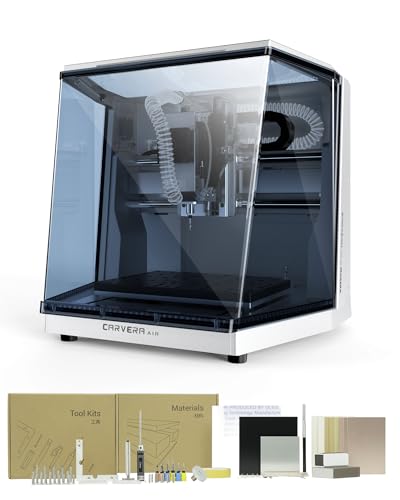


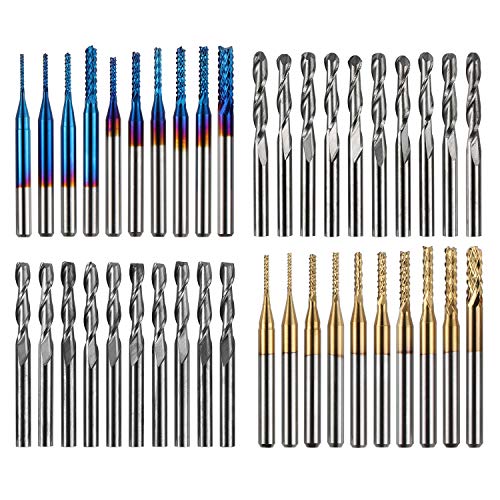
As an Amazon Associate we earn from qualifying purchases at no extra cost to you.
CNC Mills at a Glance
| Machine line | Best for | Key traits (as listed by makers) | Limits |
|---|---|---|---|
| Carbide 3D Shapeoko (including Shapeoko Pro) | Hobbyists and small shops cutting wood, plastics and aluminum | Belt or rack-driven gantry routers in several work-area sizes, compatible with Carbide’s software | Router-style machines are less rigid than true mills for steel |
| Carbide 3D Nomad | Small parts in aluminum and plastics | Enclosed desktop mill with small footprint | Small work area |
| Bantam Tools Desktop CNC Milling Machine | Prototyping, PCBs and small metal parts | Enclosed desktop mill, integrated software and tool setup features per the maker | Premium tier for its size; small work area |
| Genmitsu (SainSmart) routers | Beginners and low-cost entry | Compact hobby routers in several sizes | Lighter frame; best for soft materials |
| Tormach benchtop mills | Serious home shops and small manufacturers | Rigid cast-iron construction, ability to cut steel, works with PathPilot control per the maker | Larger footprint, power and tooling needs |
| Small manual-to-CNC conversions | Machinists with experience | Converted benchtop mills | Requires skill and setup time |
Mill or Router?
The terms CNC mill and CNC router overlap, but their characters differ. A mill is generally built for rigidity so it can cut metal accurately, with a heavy frame, a stiff spindle and precise axes. A router is typically lighter, built for wood, plastics and soft metals such as aluminum at modest depths and feeds. Many desktop machines sold to hobbyists blur the line. When you read a maker’s description, look for stated materials the machine is intended to cut and the work area, spindle power and spindle speed range.
Key Features to Compare
Work Area
The work area, listed as X by Y by Z travel, limits the part size. Small enclosed machines such as the Bantam Tools and the Nomad provide a compact envelope suited to small parts, jewelry and electronics. Shapeoko models range from compact to large formats. Choose the size by the largest part you expect to make, plus room to hold it.
Rigidity and Frame
Rigidity governs accuracy and surface finish. Cast iron and heavy steel or aluminum frames resist vibration. Lighter frames flex under load, and this limits the depth and speed of cuts in tougher materials. Reviewers often note that the biggest upgrade between entry-level and professional machines is rigidity rather than spindle power.
Spindle and Speed
Spindles vary from small DC motors in entry-level models to dedicated routers and high-speed spindles in higher-end machines. Spindle speed matters for small end mills in aluminum and plastics. Watch for the maker’s stated rpm range and whether the spindle is air-cooled or water-cooled.
Drive System and Accuracy
Machines use belts, lead screws, ball screws or rack-and-pinion. Ball screws and quality linear rails typically provide better precision and repeatability. Makers list stated resolution or repeatability for some models; treat these as manufacturer figures, not guarantees for your setup.
Enclosure and Dust Control
Cutting produces chips, dust and noise. An enclosure helps contain them and adds safety. Open routers should be paired with a dust shoe and dust collector. Cutting some materials, such as MDF and certain plastics, produces fine dust that can irritate the lungs; use proper dust collection and a suitable mask, and read the material safety guidance.
Software and Controller
You need CAD to design, CAM to generate toolpaths and a controller to run the machine. Carbide 3D supplies Carbide Create, Bantam Tools supplies its own software, and many machines work with popular third-party CAM packages. Ask whether the controller is open (GRBL, LinuxCNC) or proprietary, since this affects what software you can use.
Tooling and Workholding
End mills, collets and clamps add to the cost. A machine with a good workholding system, such as T-slot tables or a vise, makes setup easier and safer.
Budget Tiers
Budget Tier
Small hobby routers such as Genmitsu models. They are suited for wood, acrylic and soft plastics, light aluminum cuts with care, engraving and learning the workflow. Expect to upgrade as your projects grow.
Mid-Range Tier
Shapeoko models and similar rigid gantry routers, and small enclosed mills. These are the usual choice for serious hobbyists and small businesses cutting wood and aluminum.
Premium Tier
Bantam Tools, higher-end Carbide 3D models and Tormach mills. These offer better rigidity, enclosure, software integration and, with Tormach, the ability to cut steel.
Pick X If… Decision Table
| If you… | Pick | Why |
|---|---|---|
| Are a beginner cutting wood and acrylic | Genmitsu or a smaller Shapeoko | Lower cost and simple setup |
| Want to cut aluminum on a desk | Bantam Tools or Carbide Nomad | Enclosed, designed for small metal parts |
| Need a large work area for sign making or furniture | Large-format Shapeoko | Bigger bed |
| Cut steel regularly | Tormach or similar benchtop mill | Rigidity and spindle power |
| Make circuit boards and prototypes | Bantam Tools | Precision for small parts |
| Have machining experience | Converted manual mill or larger benchtop mill | Flexibility and capacity |
Space, Power and Safety Notes
- Check the machine’s footprint and weight, including the space needed for access, and a solid, level bench.
- Confirm the electrical requirements. Larger mills and spindles may need a dedicated circuit or a specific voltage. Have an electrician check your supply if you are unsure.
- Wear eye protection and hearing protection, and keep hands clear while the spindle runs.
- Use an emergency stop within reach, and never leave the machine unattended while cutting.
- Control dust with an enclosure, vacuum or dust collector. Fine dust from some materials is a health hazard and can be a fire risk.
- Secure the workpiece firmly. A loose part can be thrown or can break a cutter.
- Follow the maker’s safety manual and local rules for workshops and fire safety, and keep a suitable fire extinguisher nearby.
Alternatives to Consider
Laser Cutters and Engravers
Diode and CO2 lasers cut thin wood, acrylic and engrave many materials without cutter contact. They cannot make 3D carved parts like a mill, and they need fume extraction and eye safety measures.
3D Printers
For plastic prototypes and complex shapes, a 3D printer may fit better and be simpler to run. A CNC mill is stronger for metal parts and precise features.
Online Machining Services
If you need only a few metal parts, sending designs to a machining service avoids the cost of a machine, tooling and workshop setup.
Frequently Asked Questions
Can a desktop CNC mill cut steel?
Most desktop machines are intended for wood, plastics and softer metals such as aluminum. Cutting steel requires a rigid mill with enough spindle power and suitable tooling, as in benchtop machines like those from Tormach. Check the maker’s stated materials before attempting it.
What is the difference between a CNC router and a CNC mill?
A router is usually lighter and faster, built for wood and plastics, while a mill is stiffer and built for metal. Many hobby machines sit between the two, so rely on the maker’s list of intended materials.
How hard is it to learn CNC milling?
You need to learn CAD, CAM and machine setup, plus feeds and speeds. Most beginners start with simple 2D cuts in wood or plastic and progress to 3D and metal. Maker tutorials and community forums help.
What software do I need?
You need CAD to draw the part, CAM to create toolpaths and a controller to run the machine. Many makers bundle software, such as Carbide Create, and many third-party options work with common controllers.
How much space and power does a CNC mill need?
Desktop machines fit on a sturdy bench and run from a standard outlet, while larger benchtop mills may need more space, a heavier bench, and a specific power supply. Read the maker’s specifications and ask an electrician if you are unsure about your supply.
Is CNC milling safe at home?
It can be when you use an enclosure or guards, eye and ear protection, dust collection and a clear emergency stop, and follow the manual. Never leave a running machine unattended, and be cautious with dust and fire risk.
FAQ
Mill or Router?
Can a desktop CNC mill cut steel?
What is the difference between a CNC router and a CNC mill?
How hard is it to learn CNC milling?
What software do I need?
How much space and power does a CNC mill need?
Is CNC milling safe at home?
More from Amazon
Programs that pair well with the guide above. Offers and eligibility are set by Amazon and may change.
Free shipping on eligible items, Prime Video and more. Eligible new members can start with a free trial.
Start a Prime free trialAudiobooks and podcasts to listen to on the go. Eligible new members can start with a free trial.
Try Audible freeAd-free music streaming. Eligible new subscribers can start with a free trial.
Try Music Unlimited freeA free business account with business pricing and bulk-buying tools for work, shop or home office.
Create a business accountAs an Amazon Associate we earn from qualifying purchases.







