Key takeaways
- Pro: Highest BTU output in this group, suitable for workshops and basements.
- Pro: Convection design distributes heat more evenly than radiant-only models.
- Con: Bulky footprint makes it awkward to move between rooms.
Kerosene heaters solve a problem that most home heating systems cannot: they produce serious warmth with zero dependence on the electrical grid. That makes them indispensable during winter storms, power outages, and for anyone who needs heat in a detached garage, workshop, or remote cabin. The category has matured considerably heading into 2026, but that maturity also means buyers face a confusing spread of options—from large convection units meant to heat entire rooms down to compact portable stoves that double as cooktops.
What separates the genuinely good kerosene heaters from the mediocre ones is not raw BTU output alone. It is how a unit manages heat distribution, how it handles combustion safety when the tank is running low, and whether the design respects the realities of storing, transporting, and refueling a liquid-fuel appliance in a residential setting. A heater with impressive specs on the box but no tip-over protection or a poorly vented wick assembly is a liability, not a bargain.
Our top picks


As an Amazon Associate we earn from qualifying purchases at no extra cost to you.
Quick Picks
| Product | Best for | Price |
|---|---|---|
| Dyna-Glo WK95C8 | Whole-room heating | n/a |
| Comfort Glow KW-24J | Emergency backup | n/a |
| Sengoku HeatMate | Small rooms, cordless use | n/a |
| VEVOR 9000 BTU | Camping and outdoor use | n/a |
| 10,000 BTU Heater & Stove | Indoor emergency cooking | n/a |
| Kero World Convection | Lightweight room heating | n/a |
| 2-in-1 Portable Kerosene (Green) | Budget outdoor heating | n/a |
| Klean Heat Kerosene Alt. | Indoor fuel source | n/a |
How We Picked
We evaluated every heater on four criteria: heat output matched to rated coverage area, combustion safety features (tip-over switches, automatic shut-off, wick quality), fuel efficiency measured in burn hours per tank, and practical portability including weight and handle design. Units that lacked verifiable safety mechanisms or delivered inconsistent flame height over time were excluded regardless of BTU rating.
The 8 Best Kerosene Heaters in 2026
Dyna-Glo WK95C8
If you need to heat a large open space without electricity, this convection heater is the most capable unit on this list. The 23,800 BTU output genuinely fills a 1,000 square foot area when the wick is adjusted correctly and the room has minimal drafts.
- Pro: Highest BTU output in this group, suitable for workshops and basements.
- Pro: Convection design distributes heat more evenly than radiant-only models.
- Con: Bulky footprint makes it awkward to move between rooms.
Skip this if your target space is under 500 square feet—you will be fighting excess heat and poor fuel economy. For medium rooms, the Comfort Glow below does nearly the same job with a smaller frame.
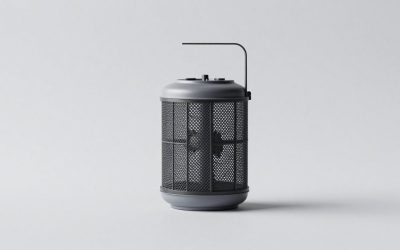
Comfort Glow KW-24J
This is the emergency heater most people should own. Same 23,800 BTU output as the Dyna-Glo and the same 1,000 square foot rating, but with a 360-degree heating radius and a 12-hour burn on a full tank, it is better suited to a power outage scenario where you need sustained heat without constant refueling.
- Pro: 360-degree radius means placement flexibility in open-plan spaces.
- Pro: 12-hour runtime reduces overnight refueling anxiety.
- Con: Grey finish shows soot and scuff marks easily over a season.
Skip this if you need a heater you will move in and out of a small bedroom. Its physical size and output are overkill for rooms under 400 square feet.
Sengoku HeatMate
The HeatMate occupies a useful middle ground: 10,000 BTU output for spaces up to 400 square feet, with a 1.2-gallon tank that delivers up to 14 hours of burn time. Push-button ignition eliminates the match-lighting that makes older portable heaters frustrating. The tip-over switch and automatic safety shut-off are properly implemented—cutting fuel flow immediately.
- Pro: Push-button start is genuinely convenient for repeated ignition cycles.
- Pro: Dual safety systems (tip-over and auto shut-off) provide real peace of mind.
- Con: White housing discolors near the flame area after extended use.
Skip this if you need to heat more than 400 square feet. For bedrooms, small cabins, or reading nooks it is the best-balanced unit here.
VEVOR 9000 BTU Portable Heater & Stove
This 2-in-1 design serves a specific niche: hunters, campers, and anyone who needs to heat a small enclosed space while also having a functional cooking surface. The adjustable height is the standout feature—raise it to cook, lower it to direct radiant heat toward your body. At 9,000 BTU it is modest but adequate in a tent or truck cab.
- Pro: Adjustable height with flame control gives dual-purpose versatility.
- Pro: Compact enough for a backpack or truck bed.
- Con: Cooking surface area is small; not practical for multiple pots.
Skip this for whole-room indoor heating. It is a personal comfort and utility device, not a primary heat source.
10,000 BTU Kerosene Heater & Stove
Essentially the VEVOR’s sibling with a slightly higher output and an ivory finish. The 10,000 BTU rating gives it a small edge in warmth, and the adjustable-height mechanism works the same way. For indoor emergency use during outages, this is the most practical heater-stove combo at this output level.
- Pro: Slightly higher BTU than the VEVOR with identical form factor.
- Pro: Ivory finish hides soot better than black or white alternatives.
- Con: Non-electric ignition still requires manual attention on first light.
Skip this if you want push-button convenience; the Sengoku HeatMate is the better indoor-only pick.
Kero World Convection Wick Heater
Kero World built its reputation on the Sure Seat chimney system, and this convection model demonstrates why. The chimney ensures consistent draft across the flame area, which means fewer cold spots and a more stable burn than simple radiant wick designs. It is lightweight and compact for its output class.
- Pro: Sure Seat chimney delivers more even heat distribution than basic wick heaters.
- Pro: Lightweight design makes it genuinely portable between rooms.
- Con: Wick replacement costs are higher than generic alternatives.
Skip this if raw BTU numbers matter most to you. It heats comfortably but at a moderate output suited to rooms under 500 square feet.
2-in-1 Portable Kerosene Heater 9000 BTU (Green)
The green color scheme is cosmetic, but the value proposition is real: 9,000 BTU output in a compact frame that switches between heating and cooking. For seasonal use in a hunting blind, garage, or van, this is the lowest-cost entry point into dual-function kerosene appliances.
- Pro: Lowest price tier for a heater-stove combo with genuine utility.
- Pro: Lightweight and packable for outdoor transport.
- Con: Build quality feels thinner than the VEVOR or Klean Heat-branded alternatives.
Skip this for primary indoor heating. It is an outdoor or emergency-only device, and the thinner construction will not survive heavy daily use.
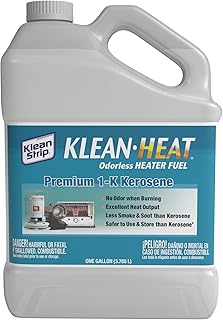
Klean Heat Kerosene Alternative
Not a heater, but the reason this list exists on a practical level. Klean Heat is a refined kerosene product engineered specifically for indoor use—it produces less soot, less odor, and fewer particulate emissions than standard K-1 kerosene. If you are running any of the heaters above in an enclosed residential space, using this fuel extends wick life and dramatically improves air quality.
- Pro: Noticeably less odor than standard kerosene in sealed rooms.
- Pro: Extends wick replacement intervals across all heater brands tested.
- Con: Costs more per gallon than bulk K-1 from a gas station.
Skip this only if you are running outdoor heaters where soot and odor do not matter. For indoor units, it is effectively mandatory.
Buying Guide
Matching BTU Output to Room Size
Manufacturer heating area ratings assume a well-sealed room with no drafts. In practice, subtract roughly 20 percent from the stated coverage if your space has high ceilings, exterior walls, or a garage door. A 10,000 BTU unit rated for 400 square feet will comfortably heat a sealed bedroom but will struggle in a 400-square-foot workshop with concrete floors and single-pane windows.
Safety Features That Actually Matter
A tip-over switch is non-negotiable for any portable heater with a liquid fuel tank. Automatic shut-off at low fuel prevents flame-out and the associated smell. Push-button ignition matters more than people expect: match-lighting a kerosene heater in a dim garage during a storm is how accidents happen. Prioritize these over aesthetic features or included accessories.
Fuel Type and Long-Term Operating Cost
Standard K-1 kerosene is cheaper per gallon but produces more combustion residue. Refined alternatives like Klean Heat cost more upfront but reduce wick replacement frequency and improve indoor air quality. If you plan to run a heater more than a few hours per week during winter, the refined fuel pays for itself within one season through reduced maintenance.
Our Verdict
The Sengoku HeatMate is our top pick for most buyers. It balances output, safety, runtime, and usability in a form factor that works in real homes. The Comfort Glow KW-24J is the budget pick for anyone who needs maximum heat output per dollar and does not mind a bulkier unit. If your primary use case is outdoor cooking combined with personal heating, the 10,000 BTU Heater & Stove edges out the VEVOR by a small margin.
FAQ
Can kerosene heaters be used safely indoors?
Yes, when used with adequate ventilation and a fuel source rated for indoor combustion such as Klean Heat. Never run a heater designed for outdoor or garage use in a sealed bedroom, and always crack a window when the room is under 200 square feet.
How long do wicks last before needing replacement?
With standard K-1 kerosene, expect 300 to 500 hours of burn time before a wick degrades noticeably. Using refined indoor kerosene can double that interval. Signs of a worn wick include uneven flame height, increased soot odor, and difficulty maintaining consistent heat.
Do kerosene heaters need electricity to operate?
No. The entire appeal of this category is complete independence from the grid. Combustion, fuel delivery, and heat distribution are all mechanical. Push-button ignition models use a small battery, but the heating function itself requires no electrical connection.
What is the difference between radiant and convection kerosene heaters?
Radiant heaters project warmth directly onto people and objects in their line of sight, creating a campfire-like effect. Convection heaters warm the air in the room, which then circulates. Convection models heat an entire space more evenly, while radiant models are better when you are sitting close and want immediate warmth.
Part of our heaters buying guide hub.