Key takeaways
- Four 3-in-1 leaf vacuum mulchers that blow, vacuum and shred fall leaves into garden mulch, compared by airflow, mulch ratio and bag size.
A leaf vacuum mulcher settles a question every homeowner with big trees faces: whether to spend weekends raking and hauling bags, or to let one machine gather the leaves and shred them into something useful. The decision is not between brands but between trade-offs — a corded motor gives steady suction for as long as the cord reaches, a higher mulch ratio means fewer trips to the curb, and a metal impeller keeps shredding when twigs slip into the tube. Get those three calls right and fall cleanup becomes a pass over the lawn.

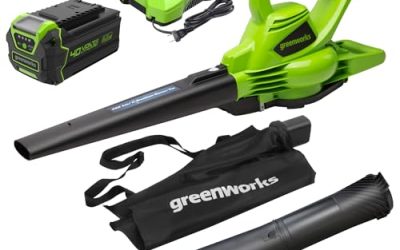
This guide is for suburban homeowners clearing a quarter-acre of maples and oaks, for gardeners who want shredded leaves for compost and beds, and for anyone tired of dragging tarps. Every pick below comes from the names and specifications on its Amazon product page: motor amperage, airflow, air speed, stated mulch ratio, impeller material and bag design. Four handheld 3-in-1 machines made the cut, each one blowing, vacuuming and mulching without a gas engine.
Quick Picks
As an Amazon Associate we earn from qualifying purchases
| Product | Best for | Key spec from title |
|---|---|---|
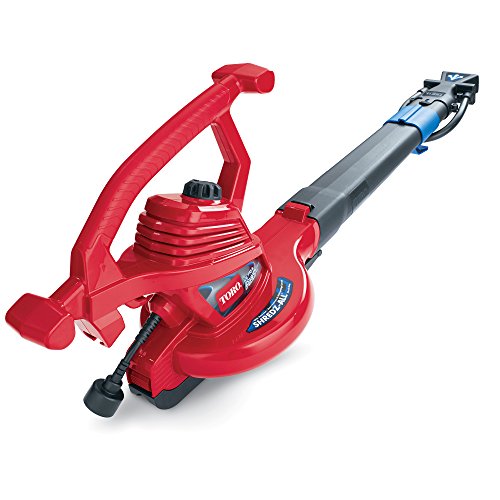
| Toro 51621 UltraPlus Leaf Blower Vacuum | Clearing large lawns with strong vacuum suction | 12 amp, up to 250 MPH, metal impeller |
| WORX WG512 TRIVAC 3-in-1 Electric Leaf Mulcher | Tackling the heaviest leaf piles fast | 12 Amp, 600 CFM, 3-in-1 blower, vacuum and mulcher |
| BLACK+DECKER BV6000 Blower/Vac/Mulcher | Quiet morning cleanup in close neighborhoods | 12 Amp, 250 MPH, 400 CFM |
| WORX WG509 TRIVAC 3-in-1 Electric Leaf Mulcher | Smaller yards that need a light, simple tool | 12 Amp, 350 CFM, 210 MPH |
How to Choose
Mulch ratio and impeller type
The mulch ratio tells you how far a pile of leaves shrinks after passing through the machine, and it matters more than any other number on the box. A 16:1 ratio turns sixteen bags of dry leaves into roughly one bag of shreds, which means fewer stops to empty and fewer bags at the curb. Metal impellers hold their edge against small twigs and grit, while plastic impellers wear down and lose shredding power over a season or two. Look for a shred ring as well as an impeller, since the ring catches pieces the blades miss. Wet leaves defeat even good impellers, so plan to work after a dry day when the ratio actually holds.
Airflow and air speed
Two numbers describe how a leaf vacuum moves air, and they measure different things. MPH is the speed of the air leaving the tube, which is what peels stuck leaves off pavement and lawn. CFM is the volume of air moving, which is what carries a wide swath of leaves into the bag in vacuum mode. For vacuuming, CFM deserves the bigger share of your attention: a machine with 405 CFM in vacuum mode clears a path faster than one with a high MPH figure and modest volume. Check both modes separately, because some listings quote blower CFM only. A variable-speed dial helps here, letting you drop the flow around flowerbeds and raise it for deep drifts.
Corded power and the extension cord question
Every handheld pick in this guide plugs into a wall outlet, so the extension cord becomes part of the purchase. A 12-amp motor draws enough current that a long, thin cord starves it, dropping suction and heating the cord. Use a heavy-gauge outdoor cord rated for the tool, and keep the run as short as the yard allows — a 100-foot cord works, but a 50-foot cord on a smaller lot works better. Cord length also sets your range: measure from the nearest outdoor outlet to the far corner before choosing. If no outlet reaches the back fence, a corded machine will frustrate you no matter how strong its motor is.
Bag capacity and emptying
A collection bag decides how often you stop working. Larger bags hold more shredded leaves, yet a full bag of damp shreds gets heavy fast, so capacity and comfort pull in opposite directions. Zippered reusable bags let you dump shreds straight into a compost bin or wheelbarrow, while disposable bag systems keep the mess contained for curbside pickup but add an ongoing supply to buy. Check how the bag attaches, because a fiddly clip turns every emptying into a wrestling match. A bottom zipper or a wide opening beats a narrow neck when the shreds are damp and clumped.
The 4 Best Options
Toro 51621 UltraPlus Leaf Blower Vacuum
Toro built the 51621 UltraPlus around vacuum performance first, and it shows in the numbers: 405 CFM in vacuum mode, the strongest suction among the corded picks here, paired with a metal impeller and a shred ring that cut debris down to small pieces. Variable speed lets you ease off around mulch beds and open up for deep leaf drifts, and the quick-release latch switches between blower and vacuum in seconds without tools. At about 8.9 pounds it stays manageable during a long session, and the zippered bag seals shut for carrying shreds to the compost pile.
Specs
- 12-amp motor with variable speed control
- Up to 250 MPH air speed in blower mode
- 340 CFM in blow mode and 405 CFM in vacuum mode
- Metal impeller with shred ring for fine mulching
- 3-in-1 blower, vacuum and leaf shredder
- Quick-release latch converts blower to vacuum
- Zippered collection bag
Best for: Homeowners with a large lawn who want the strongest vacuum suction in a corded handheld.
Watch out for: Wet leaves and small twigs can clog the vacuum tube, so work with dry leaves and clear twigs first.
WORX WG512 TRIVAC 3-in-1 Electric Leaf Mulcher
When the leaf fall is at its worst and the piles reach ankle height, the WG512 answers with raw airflow: 600 CFM from its 12-amp motor, the highest in this roundup. Its two-stage metal impeller shreds leaves at a stated 16:1 ratio, and the wide-mouth tube swallows drifts that would choke narrower machines. Conversion between blowing, vacuuming and mulching needs no tools, and one-hand operation leaves the other hand free for the bag. The trade-off is heft and noise, so this is the pick for big jobs rather than quick touch-ups.
Specs
- 12-amp motor with 2-speed control
- 600 CFM airflow
- 16:1 mulch ratio from a two-stage metal impeller
- 3-in-1 blower, vacuum and mulcher
- Tool-free conversion between modes
- Wide-mouth tube for heavy leaf volume
- Detachable collection bag
Best for: Yards buried under heavy leaf fall where maximum airflow shortens the job.
Watch out for: It is heavier and louder than the other picks here, and the short tube can feel awkward for taller users.
BLACK+DECKER BV6000 Blower/Vac/Mulcher
Early-morning cleanup in a neighborhood where houses sit close together calls for a quieter machine, and the BV6000 is the quietest pick in this guide at a stated 68 dBA. Its 12-amp motor still pushes 400 CFM at up to 250 MPH, and the metal impeller with an anti-clog design keeps the shredding steady when leaves come in thick. A 1.5-bushel bag holds a generous load before emptying, and the disposable leaf bag system makes curbside disposal tidy. At 8.1 pounds it is also the lightest machine here, which matters on a long Saturday session.
Specs
- 12-amp motor with variable speed from 180 to 250 MPH
- 400 CFM airflow
- 16:1 mulch ratio
- Metal impeller with anti-clog vortex design
- 1.5-bushel collection bag included
- Disposable leaf bag system for easy disposal
- Weighs 8.1 pounds
Best for: Quiet cleanup in close neighborhoods and for anyone who wants the lightest machine in this roundup.
Watch out for: Feeding leaves too fast can still clog the tube, and the disposable bags are an ongoing supply to keep on hand.
WORX WG509 TRIVAC 3-in-1 Electric Leaf Mulcher
Smaller yards do not need the biggest motor on the shelf, and the WG509 is the straightforward pick for them. Its 12-amp motor moves 350 CFM at up to 210 MPH, enough to clear a patio, driveway and a modest lawn without wrestling a heavy tool. The metal impeller shreds at a stated 18:1 ratio, the highest figure in this guide, so a small bag goes a long way. Tool-free mode changes and a compact frame keep the work simple, and the weight stays low enough for one-handed use around beds and fences.
Specs
- 12-amp motor with variable speed control
- 350 CFM airflow and up to 210 MPH air speed
- 18:1 mulch ratio from a metal impeller
- 3-in-1 blower, vacuum and mulcher
- Tool-free conversion between blowing and vacuuming
- Compact, lightweight design for one-hand use
- Quick tube release and bag holder
Best for: Smaller yards and quick cleanups where a light, uncomplicated machine is enough.
Watch out for: The collection bag fills quickly on a big job, and wet leaves clog the nozzle more easily than on the larger models.
Which One Fits Your Situation
A large lawn under several mature trees
Pick the Toro 51621 UltraPlus. Its 405 CFM vacuum mode pulls in wide swaths of leaves faster than the other corded picks, and the metal impeller with shred ring keeps the mulch fine enough for the compost bin. Variable speed matters here too, since a big yard mixes open lawn with delicate beds. The zippered bag seals for the walk to the pile, so nothing spills on the way.
The heaviest leaf fall of the year
Pick the WORX WG512. When drifts are ankle-deep, its 600 CFM airflow and wide-mouth tube move material that would stall a smaller machine, and the two-stage impeller keeps shredding at a 16:1 ratio. This is the tool for the two or three weekends when the trees let go all at once. Accept the extra weight and noise as the cost of finishing before dark.
Early mornings in a close neighborhood
Pick the BLACK+DECKER BV6000. At a stated 68 dBA it runs noticeably quieter than the other machines here, so a 7 a.m. cleanup is less likely to draw complaints. The 1.5-bushel bag and disposable bag system also suit curb-side routines, and at 8.1 pounds it is easy to carry through a full session without tiring your arms.
A small yard and a simple routine
Pick the WORX WG509. A modest lawn, a driveway and a patio do not need maximum airflow, and the WG509 clears them with 350 CFM while staying light and easy to store. Its stated 18:1 mulch ratio stretches a small bag further than the raw numbers suggest, which is exactly what a quick weekly cleanup needs. Keep the leaves dry and the bag emptied, and it handles the job.
Common Mistakes
- Vacuuming soaking-wet leaves, which clump, clog the tube and shred poorly no matter how strong the impeller is.
- Choosing by blower MPH alone and ignoring vacuum-mode CFM, which is the number that decides how fast leaves actually land in the bag.
- Running a 12-amp machine on a long, thin extension cord, which starves the motor and weakens suction.
- Feeding twigs and small branches into a handheld mulcher, which jams the impeller and forces a mid-job teardown.
- Letting the bag overfill, since a packed bag kills airflow and turns a quick cleanup into repeated stops.
Frequently Asked Questions
Can a leaf vacuum mulcher handle wet leaves?
It can pick up some damp leaves, but wet material clumps together, clogs tubes and shreds into mush instead of usable mulch. Dry leaves shred far more finely and keep the stated mulch ratio closer to reality. Wait for a dry day after rain, or blow the leaves into a pile and let the sun dry them before vacuuming.
What does a 16:1 mulch ratio actually mean?
The ratio describes volume reduction: sixteen bags of loose dry leaves become about one bag of shredded material after passing through the impeller. Higher ratios mean fewer bags to haul and finer shreds for compost or garden beds. Treat the figure as a manufacturer claim for dry leaves, since wet or mixed debris reduces it in practice.
Do I need a special extension cord?
Yes, use a heavy-gauge outdoor extension cord rated for a 12-amp tool, and keep it as short as your yard allows. A long, light-duty cord causes voltage drop that weakens the motor and can overheat the cord itself. Check the cord gauge printed on its jacket before the first use, and never join two cords to reach the far corner.
Can shredded leaves go straight onto garden beds?
Yes, shredded leaves make good mulch for beds and paths once they are dry and finely cut. Spread them a few inches thick and keep them away from plant stems so moisture does not sit against the bark. Fresh shreds can also go into a compost bin, where they balance green kitchen and grass material nicely.
FAQ
Can a leaf vacuum mulcher handle wet leaves?
What does a 16:1 mulch ratio actually mean?
Do I need a special extension cord?
Can shredded leaves go straight onto garden beds?
More from Amazon
Programs that pair well with the guide above. Offers and eligibility are set by Amazon and may change.
Free shipping on eligible items, Prime Video and more. Eligible new members can start with a free trial.
Start a Prime free trialAudiobooks and podcasts to listen to on the go. Eligible new members can start with a free trial.
Try Audible freeAd-free music streaming. Eligible new subscribers can start with a free trial.
Try Music Unlimited freeA free business account with business pricing and bulk-buying tools for work, shop or home office.
Create a business accountAs an Amazon Associate we earn from qualifying purchases.