
Best non electric toothbrush choices come down to bristle softness, head size and design, not the brand on the handle. This roundup of the best non electric toothbrush covers ultra-soft and everyday manual brushes from Curaprox, Nimbus, Oral-B and others so you can clean thoroughly and gently, protecting gums and enamel.
As an Amazon Associate we earn from qualifying purchases.
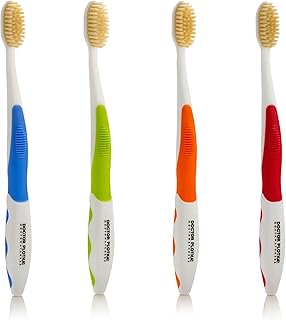
Our top picks




As an Amazon Associate we earn from qualifying purchases at no extra cost to you.
By Daniel Foster
How to Choose the Best Non Electric Toothbrush
The best non electric toothbrush picks below span ultra-soft brushes for sensitive gums, everyday mainstream options, budget value and an eco-friendly choice, so most mouths and preferences have a fit. The table compares the features that decide the clean, and each pick adds the honest drawback owners notice.
| Model | Bristles | Head | Best For | Tier |
|---|---|---|---|---|
| Curaprox CS 5460 | 5,460 ultra-soft | Small, angled | Sensitive gums | Premium |
| Nimbus Microfine Xtra Soft | Tapered ultra-soft | Slightly larger | Receding gums | Mid |
| Oral-B Pro-Health | Soft, cross-action | Standard | Everyday clean | Budget |
| Colgate 360 | Soft, tapered | Standard + scraper | Tongue cleaning | Budget |
| GUM Technique Pro | Soft, angled | Compact | Gum care | Mid |
| VIVAGO Bamboo | Soft nylon | Standard | Eco-friendly | Budget |
Curaprox CS 5460 — the ultra-soft benchmark
The Curaprox CS 5460 is a top best non electric toothbrush for gentle cleaning: it packs 5,460 ultra-fine CUREN filaments just 0.1 mm thick, far more than a standard brush’s 500 to 2,500, on a small, angled head. That density cleans the gum line thoroughly while staying gentle on sensitive gums.
The honest drawback is that the ultra-soft feel seems weak to anyone used to firm bristles, and the per-brush cost is higher, though multipacks help. For sensitive teeth or receding gums where soft, dense bristles reduce abrasion, though, it is the standout pick. The recyclable polypropylene handle is a small bonus for anyone trying to cut plastic waste from a daily routine.
Nimbus Microfine Xtra Soft — the sensitive-gum specialist
The Nimbus Microfine is periodontist-designed with tapered, extra-soft micro-fine bristles that clean effectively while going easy on sensitive teeth and receding gums, and testers rate it a favorite among manual brushes. Its grippy, textured handle makes it easy to control.
The drawback is a slightly larger head that suits medium-to-larger mouths better than very small ones, and there is no tongue scraper on the handle. For sensitive or receding gums wanting a gentle yet effective clean, though, it is a top choice. Its alternating short and long bristles reach both the tooth surface and the gum line in a single pass.
Oral-B Pro-Health — the everyday mainstream pick
The Oral-B Pro-Health is a widely available, affordable soft brush with cross-action bristles that clean well with proper technique, and Oral-B’s lines include ADA-accepted options. For a dependable everyday manual brush you can buy anywhere, it is the practical default.
The drawback is that some of its medium variants are too firm for sensitive gums, so pick the soft version to avoid abrasion. As a reliable, easy-to-find everyday clean, though, it does the job at a low price.
Colgate 360 — the budget tongue-cleaning pick
The Colgate 360 adds a cheek-and-tongue cleaner on the back of the head and soft tapered bristles at a budget price, so it tackles whole-mouth freshness in one tool. For value seekers who want a tongue scraper built in, it is an easy, inexpensive pick.
The drawback is that charcoal and whitening versions lean on marketing more than proven benefit, and it is standard plastic. For an affordable everyday brush with a built-in tongue cleaner, though, it covers the basics well.
GUM Technique Pro — the gum-care pick
The GUM Technique Pro, from a dentist-associated brand, uses an angled neck and soft bristles on a compact head to reach the gum line, designed to support gum health with gentle, controlled brushing. For focused gum care in a small-headed brush, it is a strong option.
The drawback is that it is less widely stocked than Oral-B or Colgate and comes in firmer variants to avoid. For a compact, gum-focused manual brush, though, its angled design reaches tricky spots well.
VIVAGO Bamboo — the eco-friendly pick
The VIVAGO Bamboo brush swaps a plastic handle for a biodegradable bamboo one with soft, BPA-free bristles, sold in multipacks, so it reduces plastic waste for eco-minded users. For cutting down on single-use plastic in your routine, it is the sustainable choice.
The drawback is that the bristles are still nylon rather than fully compostable, and a bamboo handle can absorb moisture if not dried between uses. For an affordable, lower-waste everyday brush, though, it is a sensible step.
What to Look For in a Manual Toothbrush
Choosing the best non electric toothbrush means weighing four things beyond the label: the decisive specs, the head size and grip for your mouth, the ADA-acceptance question, and the honest limits worth knowing. Start here.
The decisive numbers: bristle softness, head size, design
For the best non electric toothbrush, bristle softness leads: dentists generally favor soft bristles because they remove plaque while minimizing gum recession and enamel abrasion, so soft or ultra-soft suits most adults. Bristle count and design then affect coverage, and head size sets maneuverability.
Do not equate firmer with cleaner. Harder bristles can abrade enamel and irritate gums without cleaning better, while a dense, soft brush cleans thoroughly and gently. Match softness to your gum sensitivity and head size to your mouth, and let good technique, not pressure, do the work. Letting the bristles glide at a gentle angle toward the gum line cleans the margin where plaque tends to gather most.
Head size, grip and reach
A smaller head maneuvers better around back molars and small mouths, while a larger head covers more surface per stroke but can miss tight corners. Check the head size against your mouth, and favor a compact, angled head if you struggle to reach the rear teeth comfortably.
Grip matters for control: a textured, non-slip handle helps you brush gently and accurately, especially when the brush is wet. Measure your comfort with the handle thickness and shape, since a brush you can angle precisely cleans better than one that slips during use.
ADA acceptance and dentist guidance
When a brush is described as dentist-recommended, the factual signal to look for is ADA acceptance, which indicates the product met the American Dental Association’s criteria; you can verify a brush’s status at ada.org. Treat marketing claims like whitening or charcoal with more caution.
Your dentist’s guidance for your mouth outweighs any roundup, since gum condition and technique vary by person. Use this as a starting shortlist, and ask your dental professional about bristle softness and head size if you have receding gums, sensitivity or orthodontic appliances. A dentist can also confirm whether a manual or electric brush best suits your specific gum condition and habits.
The honest limits worth knowing
A manual brush cleans well with good technique, but studies suggest electric brushes can remove more plaque for some users, so if you brush too hard or miss areas, an electric option may help. This is general information, not dental advice; consult your dentist for your situation. Either way, a brush only works if you use it twice a day for two minutes with a fluoride toothpaste.
Whatever you choose, replace a manual toothbrush every three to four months, or sooner if the bristles fray, since worn bristles clean poorly. A quick reminder: soft bristles plus gentle, thorough technique protect gums and enamel better than pressing harder with a firm brush.
See More:
- Best noise cancelling headphones Bose
- Best deal on air fryer
- Best buy Bella air fryer
- Best deals air fryer
- Best blender bottle
The Verdict on the Best Non Electric Toothbrush
The best non electric toothbrush matches bristle softness and head size to your mouth: the Curaprox CS 5460 for dense ultra-soft cleaning, the Nimbus Microfine for sensitive and receding gums, the Oral-B Pro-Health for an everyday clean, and the Colgate 360 for budget value with a tongue cleaner. Choose soft bristles, replace the brush every three to four months, and since prices shift with sales, confirm the live price at checkout.






Write Your Review
No reviews yet. Be the first to share your experience!