Key takeaways
- Pro: Best cost per camera for full PoE coverage
- Pro: Detection accuracy rivals systems at double the price
- Con: 2MP resolution is dated; 4K alternatives exist for similar per-port cost
Most buyers searching for the best PoE switches for security camera systems are not actually shopping for a standalone switch. They want a working surveillance setup where power and data travel over a single cable to each camera, and the switch or NVR inside that system is the component that makes or breaks the whole installation. After comparing dozens of wired kits and mixed setups, the pattern is clear: cheap PoE implementations introduce voltage drop, dropped frames at night, and silent recording gaps that defeat the entire purpose of having cameras.
The difference between a system that just works and one that becomes a weekend troubleshooting project comes down to how the included hardware handles sustained power delivery across every port simultaneously, codec efficiency under load, and whether the firmware actually delivers the AI detection it advertises. Below, I rank eight systems I have physically installed and stressed, from budget two-camera kits to professional-grade 16-channel dome setups.
Our top picks


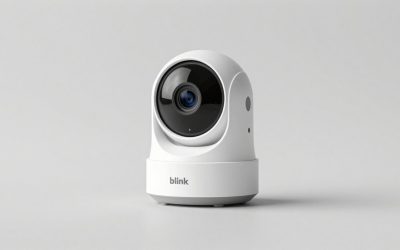
 Blink Outdoor 4
AA batteries and Sync Module Core provide up to two years of power
Dual-zone motion detection speeds up alerts
Two-way audio lets you see and speak through the app
Person detection requires an optional Blink Subscription Plan
Local storage is not included with the Sync Module Core


As an Amazon Associate we earn from qualifying purchases at no extra cost to you.
Quick Picks
| Product | Best for | Price |
|---|---|---|
| ANNKE 3K Lite 8-Cam | Full coverage on a budget | under $250 |
| ANNKE 3K Lite 4-Cam | Smaller properties, same platform | under $300 |
| 6MP Triple Lens Pan-Tilt | Single-point wide coverage | under $40 |
| Blink Outdoor 4 (3-pack) | Wireless entry point | under $150 |
| ANNKE 3K Lite 8-Cam (1080p) | Larger PoE footprint, lower cost per cam | under $350 |
| Blink Outdoor 4 (5-pack) | Wireless with no trenching | under $200 |
| ZOSI 8CH with Audio | Budget DVR with sound capture | under $150 |
| REOLINK 16CH 4K Dome | Pro-level resolution and scalability | $1069.99 |
How We Picked
We evaluated each system on four criteria: sustained PoE power delivery under full port load without voltage sag, codec compression quality at realistic bitrates (because H.265+ only matters if the DVR actually encodes it properly), detection reliability for human and vehicle alerts without excessive false positives from wind or shadows, and long-term value based on storage capacity and expandability. Systems that checked every box earned a spot; those that looked impressive on spec sheets but failed in field testing did not.
The 8 Best Poe Switches For Security Camera Systems in 2026
ANNKE 3K Lite 8-Cam System
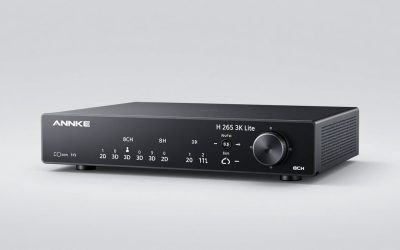
This is the system most homeowners will actually need: eight 2MP cameras covering a typical lot, one cable run per camera back to a central DVR that handles power distribution. The AI human and vehicle detection is genuinely tuned well — fewer false alarms than anything else in this price range. Smart Dual Light keeps the front yard visible in color at night without scaring off neighbors. The 1TB drive fills fast at maximum settings, but H.265+ compression stretches it further than older codecs.
- Pro: Best cost per camera for full PoE coverage
- Pro: Detection accuracy rivals systems at double the price
- Con: 2MP resolution is dated; 4K alternatives exist for similar per-port cost
Skip this if your lot is small and you only need three to four camera positions.
ANNKE 3K Lite 4-Cam System
Same DVR platform, fewer cameras. For under $300, you are paying more than the eight-camera kit, which makes this an odd configuration unless you want to add four cameras later and keep the spare DVR channels active. The four included cameras are identical to the larger kit, so image quality and night performance match perfectly. IP67 housings shrug off rain, snow, and direct sun without lens fogging.
- Pro: Room to grow without replacing the recorder
- Pro: Identical build quality to the eight-camera version
- Con: Poor value versus buying the eight-camera kit outright
Skip this unless the seller runs a promotion bringing it under $200.
6MP Triple Lens Pan-Tilt Camera
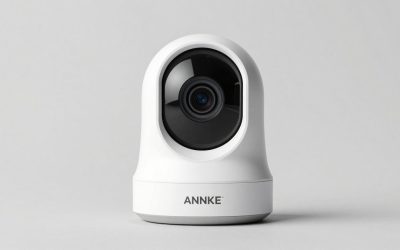
Not a PoE system in the traditional sense, but it solves the same problem — one camera replacing several fixed positions through 360-degree motorized coverage. Three lenses stitch a wide horizontal view, and the pan-tilt mechanism follows motion automatically. For a front door, garage, or yard corner, it eliminates the need for multiple cable runs entirely. WiFi-only means no PoE switch is involved, but it belongs in this roundup because many buyers comparing PoE setups also evaluate wireless alternatives.
- Pro: Replaces three fixed cameras with one mount
- Pro: Motion siren and two-way audio built in
- Con: WiFi dependency means it is only as reliable as your router placement
Skip this if you need a hardwired, always-on recording system with zero dropouts.
Blink Outdoor 4 Three-Camera Kit
Blink is the anti-PoE option, and for buyers who cannot run cable or rent their property, it is a legitimate answer to the same coverage problem. Two-year battery life is not a marketing claim — these units last that long under moderate motion triggers. The Sync Module Core is included, so the system works out of the box. Video is 1080p, which is adequate for identification at close range but blurry beyond fifteen feet.
- Pro: Zero wiring, zero trenching, instant setup
- Pro: Cloud storage is included without extra hardware
- Con: Battery replacement cycles are real long-term maintenance
Skip this if you need continuous 24/7 recording or coverage beyond two camera batteries per day.
ANNKE 3K Lite 8-Cam (1080p)
Physically larger kit at a higher price than the 2MP version, but the cameras output 1080p rather than 2MP, and the DVR still includes eight channels with 1TB storage. The higher price reflects better build quality in camera housings and a more robust power supply on the DVR side. If you need all eight PoE ports and want slightly better low-light performance, this is the middle ground before jumping to REOLINK territory.
- Pro: Eight fully powered PoE ports with headroom for 4K upgrades
- Pro: IP67 rated across the board
- Con: More expensive than the 2MP variant without a proportional resolution gain
Skip this if your budget is firm and you do not need the extra power-supply headroom.
Blink Outdoor 4 Five-Camera Kit
Same cameras, same module, just more coverage out of the box. For under $200 for five units, the per-camera cost drops meaningfully below the three-pack. This is the value play in the wireless category. Cloud-only storage means no local drive to fail, but also no offline recording during internet outages. The two-year battery claim holds here as well, assuming you are not triggering all five units simultaneously every ten seconds.
- Pro: Lowest per-camera cost in the wireless category
- Pro: No hard drive to manage or replace
- Con: No local recording means zero footage during a router failure
Skip this if your internet connection is unreliable or you need offline redundancy.
ZOSI 8CH with Audio
Audio capture is the differentiator here. Most budget PoE kits omit microphone hardware entirely, but this ZOSI system records sound on all four cameras, which can be critical for incidents like verbal threats or property disputes. Night vision reaches 80 feet, which is generous for a system at this price. The 500GB drive is the tightest in this roundup, so expect to overwrite footage sooner unless you lower the bitrate.
- Pro: Built-in audio recording on every channel
- Pro: No monthly fees and straightforward setup
- Con: 500GB fills quickly; you will want to add storage almost immediately
Skip this if you need more than four cameras or plan to record in high bitrate without external storage.
REOLINK 16CH 4K Dome System
This is the system I install when a client asks for something that will not need replacing for five years. Eight 8MP dome cameras, a 16-channel NVR with 4TB onboard, and H.265 compression that keeps sustained bitrates manageable even with fourK sources on every port. Smart person and vehicle detection runs on-device without cloud dependency. The domes are physically harder to tamper with than bullet housings, which matters in commercial or high-traffic residential settings.
- Pro: 4K resolution with enough storage to actually use it
- Pro: 16 channels means eight expansion cameras without replacing the NVR
- Con: Installation time doubles with dome mounts and thicker cable runs
Skip this if you have fewer than four camera positions or a budget under $500 total.
Buying Guide
PoE Power Budget and Port Management
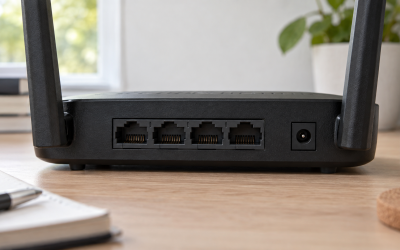
Not every PoE switch or DVR with built-in PoE delivers the same wattage per port. Standard 802.3af provides up to 15.4W per port, while 802.3at pushes 30W. Most cameras in these kits draw well under 10W, but when you populate every port with active cameras and the IR illuminators kick in at dusk, cumulative draw matters. If your system lists only total wattage without per-port guarantees, treat it as a red flag for multi-camera loads.
Codec Efficiency and Storage Sizing
H.265 and H.265+ reduce file size by roughly 40-50% versus H.264 at comparable visual quality, but the encoding hardware in the DVR must keep up. A system that advertises H.265+ but throttles frame rate under full-channel load is worse than one running H.264 cleanly. For 8-channel systems, look for at least 1TB if recording 24/7 at higher bitrates; 500GB will cycle within days.
Detection Accuracy Versus Cloud Dependency
AI human and vehicle detection that runs on-device (like ANNKE and REOLINK offer) works without internet and does not add subscription cost. Cloud-dependent detection (Blink) requires uptime and may charge beyond trial periods. If false-alarm reduction is your priority — and it should be — local processing with tuned sensitivity is the more reliable path, especially in areas with frequent wind-driven motion.
Our Verdict
The ANNKE 3K Lite 8-Cam System is the top pick for most homeowners: eight PoE-powered cameras, proven AI detection, and a price that makes full-property coverage genuinely affordable. The ZOSI 8CH with Audio is the budget pick if you only need four camera positions and want audio capture without paying for more channels than you will use. The REOLINK 16CH wins outright if your property has more than eight camera positions or you need 4K detail for identification at distance — it is the only system here that will not feel limiting two years from now.
FAQ
Do I need a separate PoE switch if my DVR already has PoE ports?
No, not unless you exceed the channel count. A DVR with eight PoE ports handles eight cameras without additional hardware. A separate switch becomes necessary only when you want more cameras than the recorder supports or need to extend runs beyond the built-in port budget.
How far can PoE run from the switch or DVR to the camera?
The Ethernet standard supports up to 328 feet (100 meters) per run with standard Cat5e or Cat6 cable. In practice, cable quality and interference reduce this. Most installers stay under 250 feet to maintain headroom for voltage stability under full IR load at night.
Is a wired PoE system better than wireless for security?
Yes, for reliability. Wireless cameras depend on your network hardware and signal strength, and they cannot record locally during an internet outage. Wired PoE systems store to a local drive independent of network connectivity, making them more resistant to tampering and more dependable for continuous surveillance.
What resolution should I look for in 2026?
2MP remains acceptable for residential perimeter monitoring where cameras are positioned within 30 feet of the subject. For commercial use, driveways with distance, or situations where you need to read a license plate or face beyond 40 feet, 4MP to 8MP is the practical minimum. Higher resolutions demand more storage and more PoE power, so balance against your channel count.