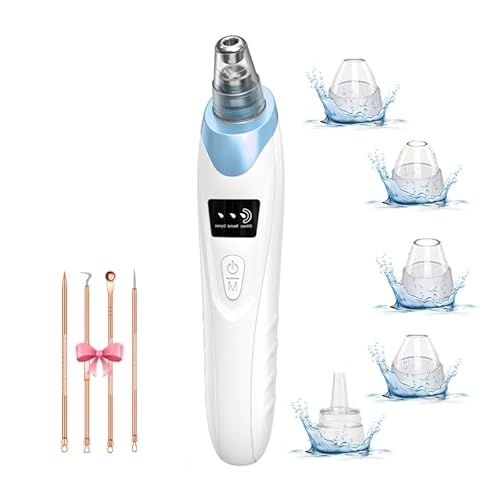
A pore vacuum is a small suction device marketed for removing surface debris from the skin, and the right one for you depends on how sensitive your skin is, how many suction levels and tips you want, and whether you prefer a rechargeable handheld or a simpler basic unit. Rechargeable models with adjustable suction, such as those sold by Pobling and Anlan, suit most buyers who want control. A basic, single-strength unit may suit someone who wants a simple tool. If you have acne, rosacea, broken skin or any skin condition, ask a dermatologist before using one.
Our top picks


As an Amazon Associate we earn from qualifying purchases at no extra cost to you.
What a Pore Vacuum Does and Does Not Do
A pore vacuum uses suction through a small nozzle placed against the skin. Makers describe it as a way to lift oil and surface debris from the nose, chin and cheeks. These devices do not shrink pores or treat acne, and no maker can honestly promise that they do. Dermatology sources generally caution that too much suction can bruise skin, break small blood vessels and leave irritation. Using the lowest setting, moving the device constantly and keeping sessions short is the standard advice in the instructions that come with most units.
This guide is for general shoppers and does not give medical advice. Anyone with sensitive, inflamed, sunburned or broken skin, or with a diagnosed skin condition, should talk to a doctor or dermatologist before using suction on the face.
At a Glance: Main Options
| Product type or brand | Best for | Key stated traits | Limits |
|---|---|---|---|
| Pobling pore vacuum | Beginners wanting several modes | Maker lists a rechargeable handheld with multiple suction levels and swappable heads | Strongest settings are easy to overuse; follow the manual |
| Anlan blackhead remover vacuum | Buyers wanting a lower-cost rechargeable device | Maker lists adjustable suction and several probe heads | Build quality varies by batch according to buyer reports |
| Basic single-speed vacuum | Occasional use on the nose area | Simple, fewer parts to lose | Less control over strength |
| Vacuum with LED or hydrating add-ons | Those who want extras | Marketed features beyond suction | Extras are not proven to add benefits; more to maintain |
| Professional salon extraction (alternative) | Persistent congestion | Performed by a trained esthetician | Costs more per visit; not a device purchase |
Models and packaging change often, and many near-identical units are sold under different names. Check the maker’s own listing for suction levels, battery details and included tips.
What to Look for in a Pore Vacuum
Adjustable suction
Adjustable levels are the most useful feature. A low setting lets you test how your skin reacts, and you can increase strength gradually if needed. Units that only have strong suction are harder to use safely.
Interchangeable heads
Most devices include several nozzles of different sizes, such as a small round head for the nose and larger heads for cheeks. A clear, smooth-edged nozzle is easier to see through and clean. Make sure replacement heads are available.
Battery and charging
Rechargeable units usually charge through USB. Makers typically list a run time per charge; a device that holds charge for several sessions is more convenient. Do not use a device while it is charging unless the maker permits it.
Ease of cleaning
Nozzles contact the skin and can pull in oil and bacteria, so they need to be washed and dried after each use. Detachable heads that can be rinsed make this easier. The main body should never be submerged unless the maker says it is waterproof.
Size and handling
A comfortable grip makes it easier to keep the device moving. Small, lightweight bodies are easier to control, while heavier devices can press into skin without noticing.
Safety features
Some units include an automatic shut-off timer or a gentle mode, but only rely on features the maker documents. Check for a clear manual with suction level guidance.
Budget Tiers and Trade-offs
Budget tier
Low-cost devices from brands like Anlan offer the core feature set: rechargeable battery, several levels, a handful of heads. The trade-off is inconsistent quality control and thinner documentation. Buyers sometimes report weaker suction than listed or shorter battery life.
Mid-range
Pobling and similar brands add more finish polish, a larger accessory kit or a clearer instruction manual. These suit buyers who want predictable use over long periods.
Premium tier
Higher-priced skincare devices bundle suction with cleansing, light or microcurrent features. These extras are marketed claims, and independent evidence for them is limited, so consider whether you need them. A professional extraction by a licensed esthetician is another premium route.
Pick X If… Decision Table
| If you… | Pick | Why |
|---|---|---|
| Are new to pore vacuums | A model with several low suction levels | Lets you start gently |
| Want the lowest spend | A basic rechargeable unit such as Anlan | Core features at a lower tier |
| Care about accessories and clear manual | Pobling or similar | Typically broader kits |
| Have sensitive or reactive skin | Talk to a dermatologist first; skip suction if advised | Suction can irritate skin |
| Have active acne or broken skin | Do not use a vacuum on affected areas | Risk of spreading irritation |
| Want persistent clogged pores addressed | Consider professional care | Expert assessment is safer than home suction |
Safe Use Basics
Always follow the maker’s instructions, which override general tips. In common practice, users start with clean, dry skin and the lowest suction level, keep the device moving rather than holding it in one spot, and limit passes over each area. Pausing if skin turns red, hurts or shows bruising is standard advice. Many instructions also suggest using the device no more than once or twice a week.
Do not use suction on the area around the eyes, on thin or broken skin, on active breakouts, over moles, sunburn or rashes, or while using strong topical treatments that make skin more sensitive. Stop and see a doctor or dermatologist if irritation continues, if you notice persistent bruising or if a skin condition worsens.
After use, wash the nozzle with warm water and mild soap, dry it fully and store it in a clean place. Follow a gentle skincare routine afterward and use sunscreen in the daytime.
Alternatives to Consider
Gentle chemical exfoliants
Products containing salicylic acid are commonly used for oily, congested skin. Patch-testing and following label directions are important, and a dermatologist can advise on strength and frequency.
Clay masks and cleansing brushes
A clay mask used occasionally, or a soft sonic cleansing brush, offers a lower-risk way to cleanse the surface without suction. Overuse can still dry the skin.
Professional facials and dermatology care
A licensed esthetician or dermatologist can perform extractions and recommend a treatment plan. This is the better option for persistent or inflamed skin problems.
Buying Checklist
Before buying, confirm that the device lists clear instructions, including suction level descriptions and recommended session lengths. Look for a charging method you already own, such as a USB cable, and check whether replacement heads and filters can be bought separately. Read the return terms, because quality can vary between batches of similar-looking devices. Skip any product that promises to shrink pores permanently, treat acne, or replace professional care, since such claims are not supported by independent dermatology guidance.
It also helps to consider your routine. A pore vacuum is an occasional tool, not a daily one, so a simple unit that is easy to clean may suit better than one with many extras. If you already use exfoliating acids or prescription topical treatments, ask your dermatologist whether adding suction is wise, because combining strong treatments can leave skin sore. Keep expectations modest, and treat any redness that lasts more than a short time as a sign to stop and seek advice.
Frequently Asked Questions
Do pore vacuums really work?
They can lift some surface oil and debris, which is why people use them, but they do not permanently shrink pores or cure acne. Results vary, and overuse can irritate skin. A dermatologist can explain realistic expectations.
Can a pore vacuum damage my skin?
Yes, if used with high suction, kept in one spot or used too often. Bruising, redness and broken capillaries are reported risks. Using the lowest level and following the manual reduces the chance.
How often should I use one?
Makers often suggest no more than once or twice a week, and less often if your skin is sensitive. Stop if the skin looks irritated, and ask a dermatologist for personal guidance.
Is a pore vacuum safe for sensitive skin?
It may not be. Sensitive, rosacea-prone or inflamed skin can react badly to suction. Check with a dermatologist before trying one.
How do I clean a pore vacuum?
Remove the nozzle, wash it with warm water and mild soap, dry it fully and wipe the body with a dry or lightly damp cloth. Do not submerge the main unit unless the maker says it is waterproof.
Which skin areas are suitable?
Makers usually point to the nose, chin and cheeks, and warn against use near the eyes or on thin skin. Follow the manual for your specific unit.