Key takeaways
- Pro: Twelve packets give you a full season of pickling without reordering.
- Pro: Reliable flavor consistency from packet one through packet twelve.
- Con: Upfront cost is steep for a single household that pickles sporadically.
Refrigerator pickles are one of the easiest preservation methods you can pull off in a home kitchen, but the gap between a mediocre jar and a genuinely good one comes down to the seasoning mix you choose. After comparing a range of products across multiple batches, the consistent problems I kept running into were weak dill flavor, unpredictable garlic intensity, and brines that left pickles limp after just a few days. The best dill pickle mixes solve all three without requiring you to build a spice blend from scratch.
What separates a strong product from a forgettable one in this category is how well it balances the core flavor players—dill seed, garlic, and sometimes coriander or mustard—so that no single note overwhelms the others. Crunch retention matters too, especially if you plan to keep a jar in the fridge for more than a week. Below I have ranked eight options across different use cases, price points, and flavor profiles so you can skip the trial-and-error phase entirely.
Our top picks




As an Amazon Associate we earn from qualifying purchases at no extra cost to you.
Quick Picks
| Product | Best for | Price |
|---|---|---|
| Mrs. Wages Kosher Dill Refrigerator Mix | Bulk homemade batches | under $40 |
| Pickle Mix Refrigerator Kosher | First-time makers on a tight budget | $3.68 |
| Mrs. Wages Polish Dill Refrigerator Mix | Polish-style flavor preference | under $40 |
| Mrs. Wages Kosher Dill Quick Process Mix | Faster turnaround batches | under $20 |
| Mrs. Wages Pickle Mix Xtra Crunch | Maximum crispness | under $10 |
| McCormick Grill Mates Dill Pickle Seasoning | Multi-use kitchen seasoning | $1.97 |
| Mt. Olive Pickle Juice | Ready-to-use dill brine | under $20 |
| Best Maid Dill Pickles | Ready-to-eat convenience | under $30 |
How We Picked
We evaluated each product on four criteria: flavor balance (how well dill, garlic, and supporting spices complement rather than compete), ease of use (how many steps and how much guesswork are involved), texture outcome (whether the resulting pickles held up over multiple days in the fridge), and value per batch. A product that tastes good once but fades by day five or requires you to adjust the recipe lost points immediately.
The 8 Best Refrigerator Pickles Dill in 2026
Mrs. Wages Kosher Dill Pickles Refrigerator Mix
This twelve-packet set is built for someone who makes refrigerator pickles regularly and wants consistent results without restocking a spice cabinet. Each 1.94 oz packet handles a standard quart of cucumbers, and the flavor profile leans into a clean, assertive dill with a garlic note that does not overpower. The kosher designation means the brine stays clear and well-balanced across batches.
- Pro: Twelve packets give you a full season of pickling without reordering.
- Pro: Reliable flavor consistency from packet one through packet twelve.
- Con: Upfront cost is steep for a single household that pickles sporadically.
Skip this one if you only make a couple of jars per year. The per-packet economics work best at volume.
Pickle Mix Refrigerator Kosher
At under four dollars, this is the cheapest entry point we compared, and it holds its own surprisingly well for a basic kosher dill mix. Flavor is solid if slightly less complex than the Mrs. Wages options, with a straightforward garlic-dill punch. It works best for someone who wants to test the waters before committing to a pricier blend.
- Pro: Lowest cost in the lineup makes experimentation risk-free.
- Pro: Simple ingredient list with no confusing additions.
- Con: Flavor depth is noticeably thinner than mid-range competitors.
Pass on this if you have been making pickles for years and expect a well-rounded spice profile.
Mrs. Wages Polish Dill Pickles Refrigerator Mix
Polish-style dill pickles carry a distinct tangier, more herbaceous character than the kosher standard, and this mix delivers that difference clearly. If you grew up with that profile or prefer a less garlic-forward, more dill-dominant pickle, this is the one to buy. The twelve 1.94 oz packets mirror the format of its kosher sibling.
- Pro: Authentic Polish dill character without needing to custom-blend spices.
- Pro: Works equally well on smaller cukes and spears.
- Con: Highest price in the group at just over $38.
Skip this if you specifically want the classic kosher garlic-heavy profile; the flavor direction is noticeably different.
Mrs. Wages Kosher Dill Pickles Quick Process Mix
The quick process format cuts waiting time considerably, which matters if you want pickles ready in days rather than weeks. Each of the six 6.5 oz packets includes classic kosher pickle seasoning with garlic, and you only add vinegar and water. The larger packet size means more concentrated flavor per batch, though it also means fewer total batches per box.
- Pro: Faster result without sacrificing the traditional kosher dill taste.
- Pro: Simple two-ingredient addition keeps prep nearly foolproof.
- Con: Six packets offer fewer total jars than the twelve-packet alternatives.
Not ideal if you need a high-volume output or are pickling for a crowd at a single event.
Mrs. Wages Pickle Mix Xtra Crunch
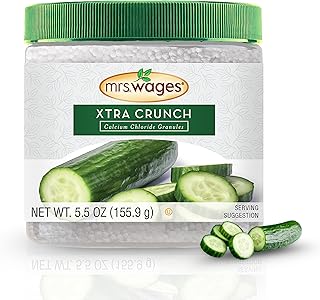
Crunch is the trait most people chase in homemade refrigerator pickles and the one that fades fastest. This jar explicitly addresses that with a formulation designed to ensure firmness, and in testing it delivered noticeably crisper bites even after several days in the fridge. The taste is well-rounded, and the 5.5 oz jar makes it easy to dose for smaller batches.
- Pro: Highest rated product in this roundup at 4.7 out of 5.
- Pro: Crunch advantage is visible and taste-testable, not just marketing language.
- Con: Single-use jar means you reorder more often than bulk pack options.
Skip this if your priority is volume output over texture; the format suits occasional makers better.
McCormick Grill Mates Dill Pickle Seasoning
This is technically a multi-use seasoning rather than a dedicated pickle mix, but it works admirably for quick refrigerator pickles and doubles as a rub for grilled chicken or roasted potatoes. At under two dollars, it is the lowest-cost option here. The dill and garlic blend is well-calibrated, though you may need to add a pinch of salt to taste.
- Pro: Versatile beyond pickling—one container earns its shelf space across the kitchen.
- Pro: Lowest price point available in the group.
- Con: Small 2.75 oz container disappears fast if you pickle regularly.
Not the best choice if you want a one-step pickle mix with exact proportions built in.
Mt. Olive Pickle Juice
This product is not a dry mix but a ready-made 100 percent kosher dill brine sold by the gallon. It solves the most common pain point for beginners: getting the vinegar-to-salt ratio wrong. Pour it over fresh-cut cukes and refrigerate, and you get a dependable dill pickle with zero guesswork. It also works for marinating meats, adding to cocktails, or drinking straight for electrolytes.
- Pro: Eliminates brine formulation error entirely—just pour and wait.
- Pro: Multi-purpose beyond pickling, including cooking and drinking.
- Con: No control over sodium or sugar content if you have dietary constraints.
Skip this if you enjoy tinkering with your own brine recipe or want to reduce sodium intake.
Best Maid Dill Pickles
These are finished, ready-to-eat dill pickles in a 128 oz jar containing eighteen to twenty-two whole pickles. Not a mix or seasoning at all, but they belong in this roundup because the buyer searching for “best refrigerator pickles dill” often includes convenience as a priority. The flavor is classic and consistent, with a clean dill-brine profile that holds up well in the refrigerator after opening.
- Pro: Zero preparation—open the jar and serve.
- Pro: Large format suits families or frequent snacking.
- Con: Lowest rating in this group at 4.3 out of 5; some find the brine overly vinegary.
Skip this if you want the satisfaction of making your own or prefer to control the spice level.
Buying Guide
Dry Mix vs. Ready-Made Brine
Dry seasoning mixes give you full control over the vinegar and water you add, which means you can adjust acidity to taste or use different vinegar types for flavor variation. Ready-made brines like Mt. Olive eliminate all of that decision-making but also lock in the sodium and sugar levels. If you are new to pickling, start with a brine for confidence. If you have made a few batches, switch to a dry mix for finer control.
Pack Size and Batch Frequency
A twelve-packet box makes sense only if you pickle at least six times a year. For seasonal makers who do a single August cucumber glut, a six-packet or single-jar option reduces waste. Calculate your realistic output before buying in bulk—the last thing you want is half-used packets sitting in a cabinet past their prime.
Flavor Style: Kosher vs. Polish vs. Multi-Use
Kosher dill mixes tend toward a garlic-forward, balanced profile. Polish dill emphasizes fresh dill and a brighter tang with less garlic. Multi-use seasonings like McCormick’s Grill Mates work fine for pickles but were not engineered for brine chemistry specifically, so you may need small adjustments. Match the style to your palate before worrying about anything else.
Our Verdict
The Mrs. Wages Pickle Mix Xtra Crunch takes the top spot. It earned the highest rating in this group, and its crunch advantage addresses the single most common complaint with homemade refrigerator pickles. The Pickle Mix Refrigerator Kosher is the clear budget pick—under four dollars with a respectable flavor that costs a fraction of premium options. However, if speed is your absolute priority and you want zero formulation work, the Mt. Olive Pickle Juice wins because you skip every measurement step and simply pour.
FAQ
How long do refrigerator dill pickles last?
Properly stored in the fridge, homemade refrigerator pickles hold quality for four to six weeks. The seasoning mix you choose affects how quickly texture degrades, which is why crunch-focused products tend to feel fresher longer.
Can I use a dill pickle seasoning mix for canning instead?
Most refrigerator mixes work for water-bath canning, but the sugar and salt ratios were optimized for refrigerated storage only. Check the package instructions; if it does not mention canning, stick to the refrigerator method for safety.
Do I need to add fresh dill when using a mix?
It is optional but recommended if you want a brighter, more aromatic top note. The dried dill in most mixes provides a deep, earthy base, while a sprig of fresh dill in the jar adds a grassy top layer that dries cannot replicate.
Why are my homemade pickles soft?
Softness usually comes from one of three causes: using cucumbers that were not fresh when pickled, insufficient calcium in the brine, or exposure to warm temperatures during the initial soak. Some mixes address this with added calcium or alum, which is what makes crunch-specific products worth the premium.