Key takeaways
- Total area: 2,600 sq ft
- Accessible after sofas, beds, cabinets: 2,600 x 0.65 = 1,690 sq ft
- Robot speed on balanced mode: about 500 sq ft per hour
- Time needed: 1,690 / 500 = 3.38 hours, or about 203 minutes
The best robot vacuum for large house floor plans over 2,000 sq ft is the Roborock S8 MaxV Ultra, because it combines 180-minute runtime, true recharge-and-resume, and 4-floor mapping with a self-empty dock that holds up to 7 weeks of debris. For a lower-cost alternative for mostly hard floors, the Dreame L40 Ultra and Ecovacs Deebot X2 Omni offer similar coverage, while the iRobot Roomba Combo j9+ is the simplest option for multi-room carpeted homes.
Large homes do not just need stronger suction. They need a robot vacuum for large areas that can navigate efficiently, recharge without losing its place, and hold enough dust and water to avoid constant intervention. A standard robot with a 90-minute battery and 400ml bin will clean about 800-1,000 sq ft before it needs help, which means it will never finish a 2,500 sq ft house in one cycle.
Our top picks
 roborock S8 Max Ultra with Refill &
- 𝗥𝗲𝗳𝗶𝗹𝗹 & 𝗗𝗿𝗮𝗶𝗻𝗮𝗴𝗲 𝗦𝘆𝘀𝘁𝗲𝗺: Refills clean water and…
- 𝗜𝗻𝘀𝘁𝗮𝗹𝗹𝗮𝘁𝗶𝗼𝗻 𝗥𝗲𝗾𝘂𝗶𝗿𝗲𝗺𝗲𝗻𝘁𝘀: Reserve a space of at least…
- 𝗨𝗽𝗴𝗿𝗮𝗱𝗲𝗱 𝗔𝗹𝗹-𝗶𝗻-𝗢𝗻𝗲 𝗥𝗼𝗰𝗸𝗗𝗼𝗰𝗸 𝗨𝗹𝘁𝗿𝗮: The RockDock Ultra revolutionizes…
 roborock 2026 New Qrevo 2 Pro Robot
- 𝟮𝟬,𝟬𝟬𝟬 𝗣𝗮 𝗥𝗼𝗯𝗼𝘁 𝗩𝗮𝗰𝘂𝘂𝗺 𝗳𝗼𝗿 𝗗𝗲𝗲𝗽 𝗖𝗹𝗲𝗮𝗻𝗶𝗻𝗴: Power…
- 𝗭𝗲𝗿𝗼-𝗧𝗮𝗻𝗴𝗹𝗲 𝗖𝗹𝗲𝗮𝗻𝗶𝗻𝗴 𝗳𝗼𝗿 𝗣𝗲𝘁-𝗙𝗿𝗶𝗲𝗻𝗱𝗹𝘆 𝗛𝗼𝗺𝗲𝘀: The Dual Zero-Tangle…
- 𝗙𝗹𝗲𝘅𝗶𝗔𝗿𝗺 𝗧𝗲𝗰𝗵 𝗖𝗹𝗲𝗮𝗻𝘀 𝗘𝘃𝗲𝗿𝘆 𝗘𝗱𝗴𝗲 & 𝗖𝗼𝗿𝗻𝗲𝗿: The…
 dreame X60 Max Ultra Complete Robot Vacuum
- 𝐃𝐑𝐄𝐀𝐌𝐄'𝐬 𝐓𝐡𝐢𝐧𝐧𝐞𝐬𝐭 𝐑𝐨𝐛𝐨𝐭 𝐕𝐚𝐜𝐮𝐮𝐦 𝐚𝐭 𝟑.𝟏𝟑𝐢𝐧 (𝟕.𝟗𝟓𝐜𝐦): At…
- 𝐃𝐞𝐭𝐞𝐜𝐭, 𝐀𝐝𝐚𝐩𝐭, 𝐚𝐧𝐝 𝐂𝐥𝐞𝐚𝐧 𝐓𝐡𝐨𝐫𝐨𝐮𝐠𝐡𝐥𝐲: Equipped with dual…
- 𝟑𝟓,𝟎𝟎𝟎𝐏𝐚 𝐏𝐨𝐰𝐞𝐫𝐬 𝐔𝐩𝐠𝐫𝐚𝐝𝐞𝐝 𝐃𝐮𝐨𝐁𝐫𝐮𝐬𝐡: Featuring a retractable pressure…
| Product | Key specs | |
|---|---|---|
| roborock S8 Max Ultra with Refill & | 𝗥𝗲𝗳𝗶𝗹𝗹 & 𝗗𝗿𝗮𝗶𝗻𝗮𝗴𝗲 𝗦𝘆𝘀𝘁𝗲𝗺: Refills clean water and… 𝗜𝗻𝘀𝘁𝗮𝗹𝗹𝗮𝘁𝗶𝗼𝗻 𝗥𝗲𝗾𝘂𝗶𝗿𝗲𝗺𝗲𝗻𝘁𝘀: Reserve a space of at least… 𝗨𝗽𝗴𝗿𝗮𝗱𝗲𝗱 𝗔𝗹𝗹-𝗶𝗻-𝗢𝗻𝗲 𝗥𝗼𝗰𝗸𝗗𝗼𝗰𝗸 𝗨𝗹𝘁𝗿𝗮: The RockDock Ultra revolutionizes… | Check price |
| roborock 2026 New Qrevo 2 Pro Robot | 𝟮𝟬,𝟬𝟬𝟬 𝗣𝗮 𝗥𝗼𝗯𝗼𝘁 𝗩𝗮𝗰𝘂𝘂𝗺 𝗳𝗼𝗿 𝗗𝗲𝗲𝗽 𝗖𝗹𝗲𝗮𝗻𝗶𝗻𝗴: Power… 𝗭𝗲𝗿𝗼-𝗧𝗮𝗻𝗴𝗹𝗲 𝗖𝗹𝗲𝗮𝗻𝗶𝗻𝗴 𝗳𝗼𝗿 𝗣𝗲𝘁-𝗙𝗿𝗶𝗲𝗻𝗱𝗹𝘆 𝗛𝗼𝗺𝗲𝘀: The Dual Zero-Tangle… 𝗙𝗹𝗲𝘅𝗶𝗔𝗿𝗺 𝗧𝗲𝗰𝗵 𝗖𝗹𝗲𝗮𝗻𝘀 𝗘𝘃𝗲𝗿𝘆 𝗘𝗱𝗴𝗲 & 𝗖𝗼𝗿𝗻𝗲𝗿: The… | Check price |
| dreame X60 Max Ultra Complete Robot Vacuum | 𝐃𝐑𝐄𝐀𝐌𝐄'𝐬 𝐓𝐡𝐢𝐧𝐧𝐞𝐬𝐭 𝐑𝐨𝐛𝐨𝐭 𝐕𝐚𝐜𝐮𝐮𝐦 𝐚𝐭 𝟑.𝟏𝟑𝐢𝐧 (𝟕.𝟗𝟓𝐜𝐦): At… 𝐃𝐞𝐭𝐞𝐜𝐭, 𝐀𝐝𝐚𝐩𝐭, 𝐚𝐧𝐝 𝐂𝐥𝐞𝐚𝐧 𝐓𝐡𝐨𝐫𝐨𝐮𝐠𝐡𝐥𝐲: Equipped with dual… 𝟑𝟓,𝟎𝟎𝟎𝐏𝐚 𝐏𝐨𝐰𝐞𝐫𝐬 𝐔𝐩𝐠𝐫𝐚𝐝𝐞𝐝 𝐃𝐮𝐨𝐁𝐫𝐮𝐬𝐡: Featuring a retractable pressure… | Check price |
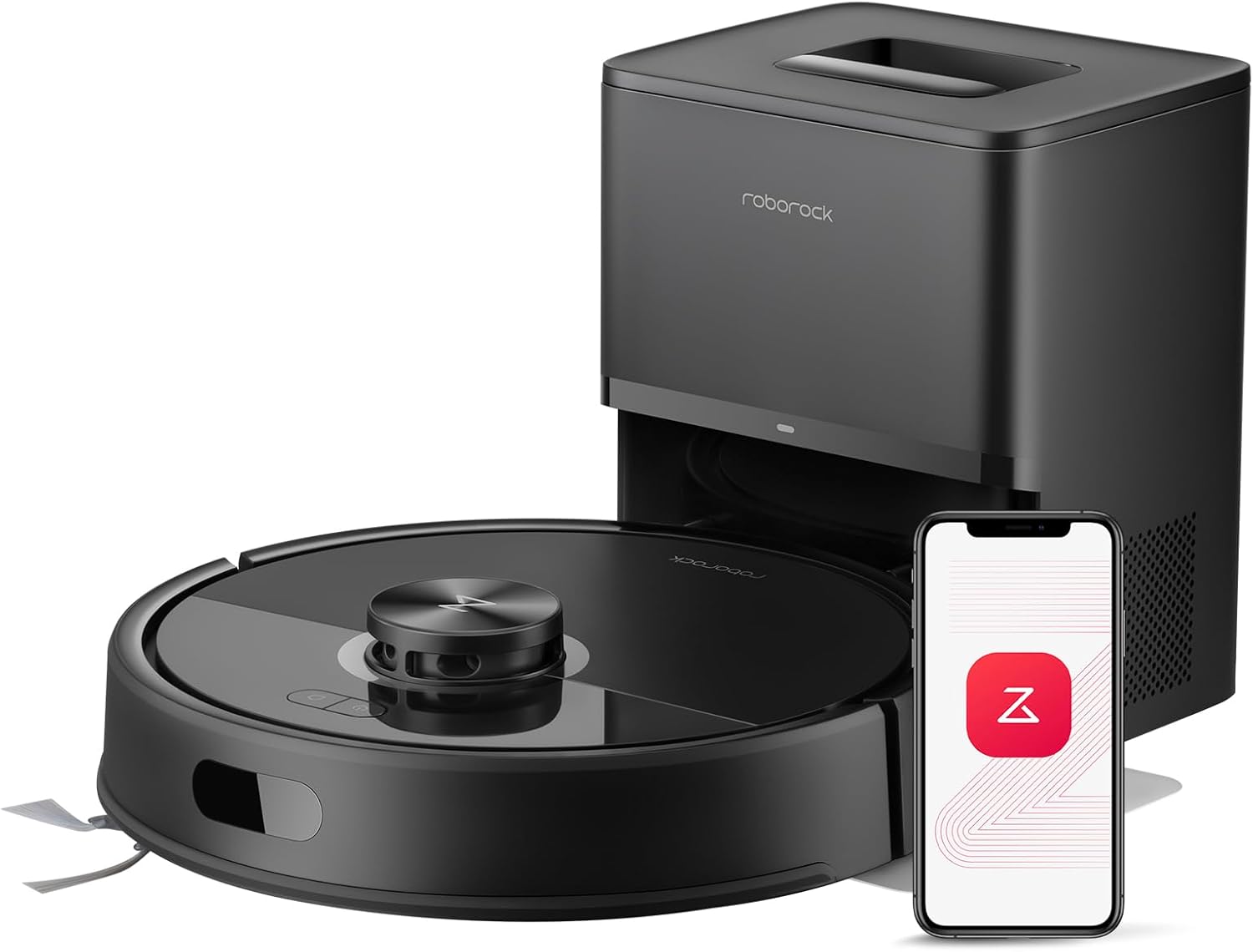 roborock Q7 M5+ Robot Vacuum and Mop roborock Q7 M5+ Robot Vacuum and Mop | Surface Recommendation: Wood, Tile, Marble, Carpet Controller Type: App Control Filter Type: Cartridge | Check price |
As an Amazon Associate we earn from qualifying purchases at no extra cost to you.
Best robot vacuums for large houses compared
These five models all support LiDAR mapping, recharge-and-resume, and multi-floor plans, which are non-negotiable for houses over 2,000 sq ft. Specs below are manufacturer-listed for 2024-2026 versions.
| Model | Runtime (quiet / max) | Recharge-and-Resume | Dust Capacity | Multi-Floor Maps | Suction |
|---|---|---|---|---|---|
| Roborock S8 MaxV Ultra | 180 min / 120 min | Yes, auto top-up | 2.5L dock bag + 350ml onboard | Up to 4 floors | 10,000 Pa |
| Dreame L40 Ultra | 194 min / 110 min | Yes, auto top-up | 3.2L dock bag + 300ml onboard | Up to 4 floors | 11,000 Pa |
| Ecovacs Deebot X2 Omni | 210 min / 130 min | Yes, auto top-up | 3L dock bag + 260ml onboard | Up to 3 floors | 8,000 Pa |
| iRobot Roomba Combo j9+ | 170 min / 100 min | Yes, resumes automatically | 2.4L dock bag + 400ml onboard | Up to 10 maps | Not published, dual rubber brushes |
| Shark Matrix Plus 2-in-1 | 110 min / 70 min | Yes, resumes automatically | 1.4L bagless base + 450ml onboard | Up to 3 maps | Not published |
A large capacity robot vacuum in this context means two things: a self-empty dock of 2.4L or larger, and an onboard water tank of 200ml or more if you mop. The Dreame L40 Ultra and Ecovacs X2 Omni lead on dock capacity, which matters if you have pets or high-traffic entryways. The Shark Matrix Plus is the exception here – its bagless base holds less and will need emptying every 20-30 days in a large house, versus 45-60 days for bagged docks.
What a 2,000+ sq ft house actually requires
1. Runtime of 150 minutes or more
In real homes with furniture, a robot averages 400 to 600 sq ft per hour on standard suction. A 2,400 sq ft single story with 70 percent accessible floor will take 160 to 200 minutes. Anything rated under 150 minutes will need at least one mid-cycle recharge. That is fine only if recharge-and-resume works reliably.
2. Smart recharge-and-resume, not just resume
Older robots recharge to 100 percent before resuming, adding 3-4 hours. Current Roborock, Dreame, and Ecovacs models calculate how much charge is needed to finish the remaining rooms and top up only to 40-60 percent, then continue. For large houses, look for this smart top-up feature in the app settings, plus room-specific cleaning order so bedrooms are finished first.
3. Multi-room mapping with no-go zones
LiDAR mapping is essential for large areas. It creates straight cleaning paths instead of random bump patterns, which saves 20-30 percent battery. You also need at least 3 saved maps if you have upstairs and downstairs, plus virtual walls to block laundry rooms, kids play mats, and long rugs with tassels that cause stalls.
Coverage calculation: Will it finish in one run?
Use this simple formula before you buy:
Cleanable area = Total sq ft x 0.65 (furniture factor) / Cleaning rate
Example for a 2,600 sq ft ranch house:
- Total area: 2,600 sq ft
- Accessible after sofas, beds, cabinets: 2,600 x 0.65 = 1,690 sq ft
- Robot speed on balanced mode: about 500 sq ft per hour
- Time needed: 1,690 / 500 = 3.38 hours, or about 203 minutes
No current robot runs 203 minutes on standard suction, so one recharge is unavoidable. A model rated for 180 minutes will clean about 1,400-1,500 sq ft, return for a 45-minute top-up to 60 percent, then finish the last 250-300 sq ft in 35 minutes. Total cycle: about 4 hours. If you run it on Max or Turbo for thick carpet, coverage drops to 300 sq ft per hour, which means two recharges and a 6-hour total. For that reason, large-house owners should schedule whole-house cleans 2-3 times per week on Balanced, not daily on Max.
Which type should you pick for your layout?
| Your Situation | Priority Feature | Best Match |
|---|---|---|
| 2,000-3,000 sq ft, one level, pets + mixed floors | Large dock bag, obstacle avoidance | Roborock S8 MaxV Ultra or Dreame L40 Ultra |
| Two stories, 1,200 sq ft per floor | Multi-floor memory, fast mapping | Ecovacs Deebot X2 Omni or Roomba Combo j9+ |
| Mostly hardwood / tile, want mopping | Large water tank, mop lift, hot-water dock wash | Dreame L40 Ultra or Ecovacs X2 Omni |
| Thick carpet throughout, no mopping needed | Dual rubber brushes, strong carpet agitation | Roomba Combo j9+ (vacuum focus) |
| Tight budget, $400-$600 range | Core mapping + resume, smaller dock | Shark Matrix Plus 2-in-1 or Eufy X10 Pro Omni |
If your house is over 3,500 sq ft or L-shaped with a detached wing, consider zoning instead of whole-house runs. Set the app to clean Zone A (living areas) on Monday/Wednesday/Friday and Zone B (bedrooms) on Tuesday/Thursday. This halves battery strain and keeps dustbin load manageable.
Durability and ownership realities in big homes
Large houses wear robots faster. Expect to replace the side brush every 3-4 months and the main roller and HEPA filter every 6 months if you run 4+ times per week. Hair wrap is the first failure point, especially with dual-bristle rollers. Rubber roller designs like those on Roomba and Roborock resist tangles better and are worth prioritizing for pet owners.
Consumables add up: self-empty bags in the 2.5L-3.2L range typically last 45-60 days in a large home without pets, 30-40 days with one shedding dog. Budget for 6-8 bags per year, plus mop pad replacements every 3 months if you mop weekly. Bagless bases like Shark save on bags but require washing the dust cup monthly to prevent odor and filter clogging.
Three common mistakes in large houses:
- Placing the dock in a far corner or closet. The robot wastes 10-15 minutes returning. Place it centrally with 1.5 feet clearance on both sides.
- Running max suction everywhere. It doubles brush wear and forces extra recharges. Use room-specific suction: Max for entryway and living room rugs, Quiet for bedrooms and hallways.
- Skipping maintenance on sensors. LiDAR and cliff sensors collect dust quickly over long runs. Wipe them every two weeks or mapping accuracy degrades and the robot misses rooms.
Wi-Fi coverage also matters. Robots lose maps if they drop connection mid-run in far bedrooms or basements. If your router does not reach the whole house, use a mesh node near the midpoint of the cleaning path.
Final verdict
For most homes over 2,000 sq ft, a premium self-empty model with 170+ minute runtime and smart recharge is not a luxury, it is the minimum for unsupervised cleaning. Choose the Roborock S8 MaxV Ultra for the best overall navigation and dock automation, the Dreame L40 Ultra for maximum dock capacity and mopping, or the Roomba Combo j9+ if you want simpler mapping and superior carpet pickup. Pair any of them with zoned schedules and central dock placement, and a single robot can realistically maintain a large house without daily manual vacuuming.
Frequently asked questions
Can one robot vacuum handle 3,000 sq ft?
Yes, but not in one continuous run. Expect one recharge cycle and a total time of 4-5 hours. For faster results, split the home into two zones on alternate days.
Do I need a self-empty base for a large house?
Practically yes. An onboard bin of 300-450ml fills after 800-1,200 sq ft, especially with pets. Without a base, the robot will stop mid-cycle and wait for you to empty it.
Is LiDAR better than camera-only for large areas?
LiDAR is faster and more efficient in the dark and in long hallways. Camera-based obstacle avoidance is still useful for avoiding cords and pet waste, which is why flagship models now combine both.