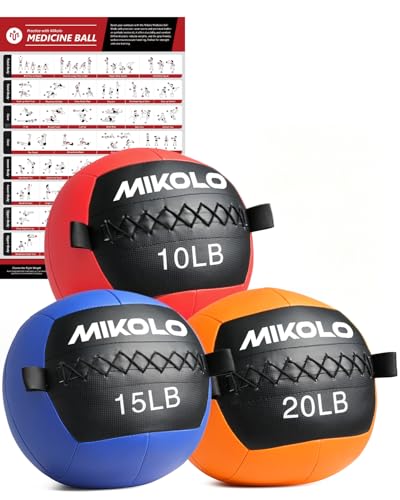
For most home gyms, a dead-weight rubber slam ball from a dedicated strength brand such as Rep Fitness, Rogue or Dynamax is the safest long-term pick, while budget buyers can look at Champion Sports, CAP Barbell or Yes4All and beginners should start lighter than they think. Slam balls are built to be thrown hard into the floor, so the shell, the fill and the weight you choose matter far more than any extra branding.
Our top picks


As an Amazon Associate we earn from qualifying purchases at no extra cost to you.
What a Slam Ball Actually Is
A slam ball is a weighted ball with a thick rubber or PVC shell and a fill that does not bounce back. That dead feel is the whole point. A regular medicine ball rebounds, which is handy for partner passes and wall throws, but it can come straight back at your face if you slam it. A slam ball absorbs the impact, so you can drive it down repeatedly for conditioning, power work and short high-intensity circuits without chasing it across the room.
Typical uses include overhead slams, rotational slams, scoop tosses, squat-to-slam combinations and loaded carries or ground-to-shoulder lifts. Makers usually sell them in weights from the single digits up to around fifty pounds, though the exact range depends on the brand. Choose the use first, then the weight.
At a Glance: Slam Ball Options Compared
| Option | Best for | Construction the maker lists | Limits |
|---|---|---|---|
| Rep Fitness slam ball | Home gym users who want a heavy-duty, no-bounce ball in several weights | Rubber shell with a dense fill, textured grip (as described by the maker) | Availability of every weight varies; premium tier |
| Rogue slam ball | Serious lifters and small training studios | Thick rubber shell designed for repeated floor impact, per the maker | Mid to premium tier; limited colour choice |
| Dynamax slam ball | Coaches, gyms and schools that already use Dynamax medicine balls | Durable outer shell with a non-bounce fill, according to the maker | Premium tier; heavier weights are bulky |
| Champion Sports slam ball | Budget-conscious classes and general fitness | Rubber or vinyl shell in a range of weights, per the maker | Grip and seam durability reported as less robust under daily abuse |
| CAP Barbell slam ball | Beginners building a first home gym | Textured shell with sand or similar fill, as listed | Quality control reviews are mixed; check the return policy |
| Yes4All slam ball | Occasional use at a low budget | PVC or rubber shell with a dead fill | Best for light weights and moderate force |
Model names and weight ranges change between production runs, so use the table as a map of tiers and brands rather than a spec sheet. Read the product page for the weight you want before ordering.
How to Choose the Right Weight
The most common mistake is buying too heavy. A slam ball that is too heavy forces you to swing from the arms and back, which slows the movement and raises the injury risk. A lighter ball lets you move fast and practise good form.
- Light (single digits to low teens in pounds): Beginners, teens, rotational slams, high-rep conditioning and warm-ups.
- Medium (mid teens to the twenties): The workhorse range for most adults doing overhead slams and scoop tosses.
- Heavy (thirties and up): Experienced lifters, strength-focused slams and loaded carries. Many people keep one medium and one heavy ball.
A practical approach is to pick a weight you can slam for ten to fifteen repetitions with a fast, controlled motion. If form breaks down by the fifth rep, step down. Anyone with a shoulder, back or heart condition, or who is new to exercise after a long break, should talk to a doctor or qualified trainer before adding explosive throwing movements.
Shell, Fill and Grip
Shell material
Rubber shells generally take floor impact better and have a more tacky feel, while PVC and vinyl can be cheaper but may scuff or split along seams sooner. Look for a described reinforced or thick-walled shell if you plan to slam on concrete. Even then, slamming onto bare concrete shortens the life of any ball, so a rubber gym mat or a patch of stall mat is a sensible investment.
Fill
Most slam balls use sand, iron filings or a similar dense material that shifts slightly inside the shell. A good fill is evenly distributed so the ball does not feel lopsided in the air. Makers sometimes describe this as a dead-bounce design.
Grip and surface texture
A textured surface helps if your hands sweat. Smooth balls look neat but can slip during overhead lifts. Some designs add handles or a dual-grip pattern, which can make heavier balls easier to pick up from the floor, but they can also be uncomfortable for scoop tosses. For general use, a plain textured shell is the simplest choice.
Budget Tiers
Budget tier
Champion Sports, CAP Barbell and Yes4All are the names most often seen here. They suit light to medium weights, occasional use and classes where durability is less critical. Expect more variation from one unit to the next, and be prepared to return a ball that arrives misshapen or leaking fill.
Mid-range tier
Brands such as Rep Fitness sit in the middle and are often praised by home-gym reviewers for a good balance of durability and value. They are a sensible default for most readers.
Premium tier
Rogue and Dynamax target commercial and team settings where balls take daily abuse. You pay for a thicker shell, more consistent quality and often a manufacturer warranty. If you plan to train hard for years, this tier is worth considering.
Pick X If… Decision Table
| Pick this | If you… |
|---|---|
| Rep Fitness or Rogue medium weight | Want one reliable ball for overhead slams at home |
| Dynamax | Run classes, coach a team or want commercial durability |
| Champion Sports | Need several light balls on a tight budget for a group |
| CAP Barbell or Yes4All | Are testing whether slams suit your routine before investing more |
| A bouncing medicine ball instead | Mainly want wall throws and partner passes |
| A sandbag or kettlebell instead | Train in an apartment or on a surface where slamming is not possible |
Safety, Space and Care Notes
- Clear the space. Leave room behind and beside you. Keep pets, children and fragile items away from the throwing area.
- Use the right surface. A thick rubber floor protects both the ball and the floor beneath. Tile, wood and thin laminate can crack or dent. Many apartment buildings also prohibit loud impacts.
- Keep your back neutral. Hinge at the hips on scoop tosses, brace your core, and avoid rounding the spine at the bottom of a slam.
- Inspect regularly. Replace a ball that shows cracks, bulges or leaking fill. Do not keep slamming a damaged shell.
- Clean and store properly. Wipe the shell with a damp cloth and mild soap, dry it, and keep it away from direct sun or extreme heat, which can degrade rubber and PVC.
Alternatives Worth Considering
Bouncing medicine balls
If you want wall throws or partner passes, a rebounding medicine ball is a better tool. Many gyms keep both types.
Sandbags and strongman-style bags
Brands that sell training sandbags offer an unstable, grippable load for carries, cleans and shouldering. They are quieter than slam balls and often better for small spaces.
Battle ropes and kettlebells
For conditioning without floor impact, battle ropes and kettlebell swings give a similar heart-rate challenge. They can be a good fit for those who live above neighbours.
Common Buying Mistakes
- Choosing the heaviest ball available. Start lighter and add a second ball later.
- Ignoring the floor. A ball that bounces dust, chips tile or damages a deck costs more in the long run.
- Assuming all brands label weight accurately. Reviewers sometimes report small differences, so a kitchen scale check on arrival is reasonable.
- Buying a smooth ball for sweaty hands. Texture matters.
Frequently Asked Questions
What is the difference between a slam ball and a medicine ball?
A slam ball has a thick shell and a dead fill so it does not rebound when thrown down. A medicine ball usually bounces and is designed for throws against a wall or between partners. Using a bouncing ball for slams can send it back toward you.
What weight slam ball should a beginner buy?
Most beginners do better with a light to medium weight that they can move quickly for ten or more repetitions. You can add a heavier ball later once your form is solid. If you have health concerns, ask a doctor or qualified trainer first.
Can I use a slam ball on concrete?
Many people do, but concrete wears the shell faster, and a hard impact can cause fill to leak sooner. A rubber mat under the throwing area extends the life of the ball and reduces noise.
How long does a slam ball last?
Lifespan depends on the shell quality, the floor and how hard you throw. Budget PVC balls may split sooner, while premium rubber balls from commercial brands are built for years of use. Replace any ball with visible cracks or leaks.
Are slam balls good for apartments?
They can be loud, and the impact can travel through the floor. If you live above neighbours, consider sandbags, kettlebells or lighter slams on a thick mat, and check your lease and building rules.
Can slam balls be filled or refilled?
Most are sealed and not designed to be refilled. If a ball loses fill or deforms, replace it rather than patching it.
FAQ
What is the difference between a slam ball and a medicine ball?
What weight slam ball should a beginner buy?
Can I use a slam ball on concrete?
How long does a slam ball last?
Are slam balls good for apartments?
Can slam balls be filled or refilled?
More from Amazon
Programs that pair well with the guide above. Offers and eligibility are set by Amazon and may change.
Free shipping on eligible items, Prime Video and more. Eligible new members can start with a free trial.
Start a Prime free trialAudiobooks and podcasts to listen to on the go. Eligible new members can start with a free trial.
Try Audible freeAd-free music streaming. Eligible new subscribers can start with a free trial.
Try Music Unlimited freeA free business account with business pricing and bulk-buying tools for work, shop or home office.
Create a business accountAs an Amazon Associate we earn from qualifying purchases.