Key takeaways
- Pro: True two-player-only cooperative design that stays tense and balanced
- Pro: Strong variability from distinct airport scenarios
- Con: Silent cooperation rule can feel restrictive if you prefer open discussion
Finding a great two player board game is harder than it looks. Many boxes claim to support two, but the experience feels flat, with rules that were clearly designed for a larger group and patched for a pair. You end up with too much downtime, too little tension, or a board that feels empty without more players around the table.
After comparing dozens of duels, co-ops, and head-to-head tile layers side by side, the pattern is clear. The best two player games create direct interaction without constant take-that aggression, keep decisions tight from the first turn, and offer enough variability to stay fresh after ten plays. The weaker ones rely on multiplayer mechanics that collapse when only two are playing, or they pad the box with luck that erases skill.
Our top picks




As an Amazon Associate we earn from qualifying purchases at no extra cost to you.
Quick Picks
| Product | Best for | Price |
|---|---|---|
| Sky Team | Best for Cooperative Strategy | under $40 |
| Solstis | Best for Quick Tile Laying | under $20 |
| The Ultimate 2 Player Game | Best for Dedicated Dueling | under $40 |
| Jaipur | Best for Fast Trading Duels | under $30 |
| Azul | Best for Elegant Strategy | under $40 |
| The Ultimate Date Night Game | Best for Couples | under $20 |
| TAPPLE | Best for Word Game Fans | under $20 |
| Wavelength | Best for Party Mind-Reading | $32 |
How We Picked
We prioritized games that are genuinely built for two, not just playable with two. That means evaluating head-to-head interaction and tension at low player counts, balance between luck and skill, replayability through variable setups or shifting decisions, and overall accessibility including clarity of rules, setup time, and table footprint for a typical living room or kitchen table session.
The 8 Best Two Player Board Games in 2026
1. Sky Team
Sky Team is for pairs who want pure cooperation with real tension and no alpha player problem. Designed strictly for 2 players ages 12 and up, you work together silently to land the plane, placing dice to manage axis, speed, and radio while flying to 20 real world airports. The 20 minute playtime keeps pressure high without dragging, and the award-winning dice placement system makes every roll a shared puzzle. Rated 4.7 out of 5, it rewards careful planning over chatty coordination.
- Pro: True two-player-only cooperative design that stays tense and balanced
- Pro: Strong variability from distinct airport scenarios
- Con: Silent cooperation rule can feel restrictive if you prefer open discussion
Skip it if you want direct competition or a highly social, talkative game.
2. Solstis
Solstis is for players who want a light, beautiful duel that still rewards planning. For 1 to 2 players ages 8 and up, you build a stunning mountain landscape tile by tile while encountering mystical creatures, with a quick 15 minute playtime that makes rematches easy. It works well as a family game and as a calm, thinky filler between heavier games. Rated 4.5 out of 5, it is approachable without feeling trivial.
- Pro: Fast setup and gentle learning curve ideal for families and casual play
- Pro: Charming landscape building with meaningful tile placement choices
- Con: Light strategy may not satisfy players seeking deep, crunchy conflict
Skip it if you want aggressive interaction or a long, deeply strategic showdown.
3. The Ultimate 2 Player Game
The Ultimate 2 Player Game is for duos who want a box built entirely around the two-player matchup. Without trying to scale to larger groups, it focuses on direct, back-and-forth play where every move directly answers your opponent. Rated 4.5 out of 5 and priced for under $40, it leans into replayable dueling rather than complex rules, making it easy to get to the table and hard to master.
- Pro: Purpose-built duel format keeps interaction tight and relevant
- Pro: Easy to learn but holds up over repeated plays
- Con: Narrow focus means little flexibility if you occasionally play with more people
Skip it if you need a game that also supports three or four players.
4. Jaipur
Jaipur is for competitive pairs who love fast, tactile trading. This 2-player trading card strategy game for ages 10 and up is all about timing: collect and trade goods for top rupees, then sell at the right moment before your opponent does. Rated 4.8 out of 5, it is easy to learn and rewarding to replay, with quick duels that hinge on risk management rather than lengthy rules explanations. The small box and snappy pace make it perfect for travel or weeknight play.
- Pro: Excellent tempo and tension with simple, elegant market decisions
- Pro: High replay value from push-your-luck trading and set collection
- Con: Card luck can swing a round if your draws miss key goods
Skip it if you prefer cooperative play or low-interaction puzzles.
5. Azul
Azul is for players who want beauty and bite in equal measure. This mosaic tile-placement strategy game for 2 to 4 players plays in 30 to 45 minutes and asks you to draft tiles to build a wall, balancing pattern building against hate-drafting. For mosaic fans, its award-winning balance of beauty and strategy shines, and shifting tiles keep games unique. Rated 4.8 out of 5, it scales well but remains sharp and confrontational with two.
- Pro: Gorgeous components with satisfying, easy-to-teach drafting
- Pro: Meaningful interaction where your pick directly blocks your opponent
- Con: Can feel punishing if you get stuck with tiles you cannot place
Skip it if you want a strictly two-player-only design or dislike spatial puzzles.
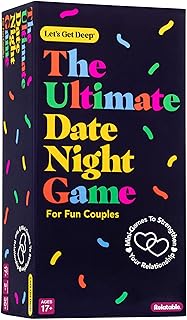
6. The Ultimate Date Night Game
The Ultimate Date Night Game is for couples who want a relationship-focused alternative to a traditional board game. This couples game includes 200 cards, a spinner, and instructions to guide home date nights through prompts and playful challenges rather than a competitive board. Rated 4.5 out of 5 and priced for under $20, it is less about winning and more about conversation and connection, with a light, party-style flow that suits a relaxed evening.
- Pro: Very accessible and conversation-driven for non-gamers
- Pro: Large card count provides plenty of variety for multiple nights
- Con: Not a strategy board game if you are seeking tactical depth
Skip it if you want a competitive, mechanics-heavy duel.
7. TAPPLE
TAPPLE is for pairs and families who want a fast, noisy word game. The Original TAPPLE from USAOPOLY is a fast-paced family word game for ages 8 and up that is highly replayable and compatible with educational play. Rated 4.7 out of 5, it trades boards and tiles for quick thinking under pressure as you race to name words by category before time runs out. It is a great palate cleanser between heavier strategy games.
- Pro: Instant to teach and energetic even with just two players
- Pro: Strong replay value and useful for vocabulary building
- Con: Lacks strategic depth for players wanting long-term planning
Skip it if you want deep strategy or minimal time pressure.
8. Wavelength
Wavelength is for duos who enjoy their two-player sessions as a social, psychological game. This mind reading party game asks you to read your partner’s mind by placing a target on a spectrum, sparking debate with every clue. Rated 4.8 out of 5 and priced at $32, it plays best when conversation is the point, turning subtle differences in judgment into the core mechanic rather than an afterthought.
- Pro: Brilliant social deduction that creates memorable discussions
- Pro: Infinitely replayable with player-driven clues
- Con: Needs the right partner; quiet or literal thinkers may enjoy it less
Skip it if you want silent strategy or a traditional board-and-pieces duel.
Buying Guide
Interaction Type Matters Most
Two-player games live or die on interaction. Cooperative dice placement like Sky Team creates shared tension without quarterbacking, trading games like Jaipur thrive on direct market competition, and drafting games like Azul use blocking as interaction. Decide if you want to cooperate, compete head-to-head, or play a social guessing game, because a mismatch here is the main reason a game sits unplayed.
Play Time and Complexity Must Fit Your Routine
A 15 minute filler and a 30 to 45 minute strategy game serve different slots. Shorter tile games like Solstis are easy to replay three times in a row and fit weeknights, while more involved mosaics reward a dedicated evening. Check age recommendations and rule weight too; an ages 8 and up game will teach in minutes, while heavier strategy asks for more patience and planning.
Replayability and Footprint
Look for variability that does not require expansions. Airports with different approaches, shifting tiles, or a large card set keep decisions fresh. Also consider table space and setup; compact card games travel well and set up instantly, while tile layers need a stable surface and a bit more room to build your tableau across multiple rounds.
Our Verdict
For most two-player buyers, Jaipur is the top pick. Its dedicated two-player trading system, fast pace, and 4.8 out of 5 rating combine easy learning with real depth and outstanding replay value. The budget pick is The Ultimate Date Night Game for under $20, which delivers strong value for couples who prioritize connection and conversation over competition. If you specifically want cooperation rather than competition, choose Sky Team instead for its superb, silent dice-placement teamwork.
FAQ
Are games listed as 2 to 4 players still good with just two?
Some scale well and some do not. Azul remains tense with two because drafting directly blocks your opponent, but many multiplayer designs feel loose with fewer players. If you will play almost exclusively as a pair, a dedicated two-player or 1 to 2 player game is usually safer.
What is the best two player board game for beginners?
Jaipur and Solstis are the easiest entry points. Jaipur teaches in minutes with intuitive trading, while Solstis offers gentle tile placement for ages 8 and up. Both keep rules light while still rewarding better planning over time.
How long should a good two player game take?
It depends on your session. Fifteen to 20 minute games are ideal for quick rematches and travel, while 30 to 45 minute games provide a fuller strategic arc. Many households keep one of each so they can match the game to the time available.
Cooperative or competitive: which is better for couples?
Competitive games create lively rivalry, while cooperative games avoid head-to-head friction. If you dislike direct conflict, start with a cooperative dice placement game like Sky Team. If you enjoy outwitting each other, a trading duel will feel more satisfying.