
Key takeaways
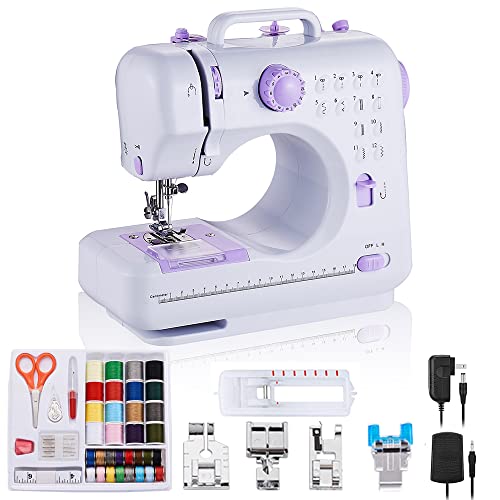
- Choose a mini portable if: You sew occasionally, have limited space, want to learn fundamentals, or are buying for a child or teen with supervision. Models like the KPCB Tech Sewing Machine for Beginners and the Rxmeili Portable 12-Stitch Sewing Machine are designed for this use case, with simplified threading and compact frames.
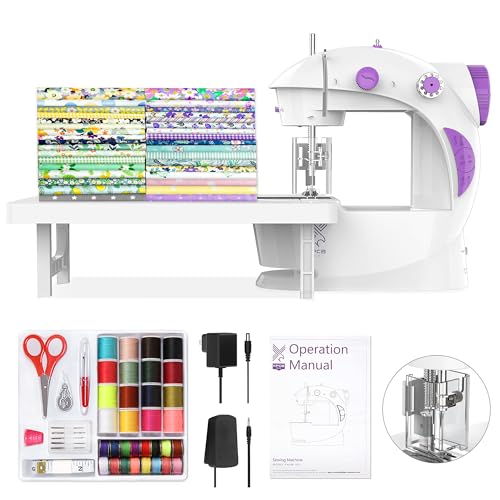
- Consider a compact electric with an extension table if: You want a bit more stability for slightly larger projects. The Portable Sewing Machine with Extension Table and 32-Color Thread Kit gives you a wider work surface for hems and small quilting while still remaining portable.
- Skip full-size for now if: You are not yet doing heavy denim, multiple layers of canvas, or daily garment construction. You can always upgrade after 6 to 12 months once you know you will stick with the hobby.
Buying your first sewing machine in 2026 doesn’t have to mean committing to a heavy, full-size model that takes over your dining table. The new generation of portable and mini machines is designed specifically for beginners, renters, students, and families who need to hem pants, mend tears, patch kids’ clothes, or learn basic crafts without a steep learning curve or a large footprint.
This guide breaks down what actually matters when choosing a starter machine — from stitch selection and speed control to safety features and the value of included kits and books — so you can match the machine to your skill level, space, and goals. We focus on compact, beginner-friendly options that balance ease of use, portability, and real sewing capability.
Our top picks





As an Amazon Associate we earn from qualifying purchases at no extra cost to you.
⚡ Save on Your Next PC — Amazon Prime
Prime members get fast free shipping on the systems above, plus early access to Prime Day & Black Friday PC deals. New members get a 30-day free trial.
Watch: Buying Guide: Finding the Perfect Sewing Machine for Beginners — Video Review
1. Do You Need a Mini Portable Machine or a Full-Size Machine?
For most beginners in 2026, a mini or compact portable machine is the smartest entry point. These machines typically weigh 5 to 7 pounds, measure under 12 inches wide, and can run on a power adapter or batteries, making them easy to store in a closet and set up on any table in under 60 seconds. They are ideal for basic mending, hemming, simple curtains, tote bags, and practice projects.
- Choose a mini portable if: You sew occasionally, have limited space, want to learn fundamentals, or are buying for a child or teen with supervision. Models like the KPCB Tech Sewing Machine for Beginners and the Rxmeili Portable 12-Stitch Sewing Machine are designed for this use case, with simplified threading and compact frames.
- Consider a compact electric with an extension table if: You want a bit more stability for slightly larger projects. The Portable Sewing Machine with Extension Table and 32-Color Thread Kit gives you a wider work surface for hems and small quilting while still remaining portable.
- Skip full-size for now if: You are not yet doing heavy denim, multiple layers of canvas, or daily garment construction. You can always upgrade after 6 to 12 months once you know you will stick with the hobby.
2. Key Features to Compare: Stitches, Speed, and Controls
Beginner machines intentionally limit complexity, but a few specs make a real difference in what you can make and how easily you learn. Focus on these three areas instead of getting distracted by inflated stitch counts you will rarely use.
- Built-in stitches: 12 built-in stitches covers 95% of beginner needs — straight stitch, zigzag, blind hem, buttonhole, and decorative options. Both the Portable Sewing Machine for Beginners with 12 Built-In Stitches and 32-Color Thread Kit and the Rxmeili Portable 12-Stitch Sewing Machine offer this versatile 12-stitch range, which is enough for mending, hemming, and basic crafts without overwhelming you.
- Speed control and reverse sewing: Look for 2-speed control with a foot pedal option. Low speed (around 250-350 stitches per minute) gives you control for learning curves and precision, while high speed (up to 700 SPM) helps with straight seams. Reverse sewing is essential for backstitching to lock seams — a feature included on the Portable Sewing Machine with Extension Table model.
- Lighting and threading: An integrated LED light reduces eye strain and improves accuracy on dark fabrics. Automatic bobbin winding and a clear stitch selector dial also cut setup time from 10 minutes to under 2 minutes after your first few uses.
3. Safety and Ease of Use for Adults and Kids
If the machine will be used by children, teens, or absolute beginners, safety and frustration-free operation should outrank raw power. The best starter machines add protective features without sacrificing functionality.
- Finger guard: A detachable finger guard keeps fingers away from the needle, which is a key reason to consider the KPCB Tech Sewing Machine for Beginners if you are buying for a household with kids. It allows supervised learning for ages 7 and up.
- Foot pedal vs. push-button: Foot pedal operation teaches proper rhythm and leaves both hands free to guide fabric. Push-button models are simpler for very young users, so choose based on who will sew most often.
- Weight and stability: Machines under 6 pounds can walk on smooth tables at high speed. Place a non-slip mat underneath and start on low speed. Models with an extension table add 30% more support surface, which helps keep fabric flat and prevents puckering.
- Noise level: Mini machines typically run at 65-75 decibels, similar to a normal conversation, so they are suitable for apartments and late-evening mending.
4. What’s in the Box: Kits, Thread, and Learning Resources
The value of a beginner bundle is often in the accessories. A machine that comes with a complete kit saves you 30 to 50 dollars in separate purchases and ensures you have matching supplies from day one.
- Thread and sewing kits: A 32-color thread kit, as included with both Portable Sewing Machine kits featured here, provides 200-yard spools in core colors plus bobbins, needles, and scissors. The Rxmeili Portable 12-Stitch Sewing Machine includes a 42-piece kit that adds measuring tape, seam ripper, and extra needles — ideal if you own no supplies at all.
- Extension table and fabrics: The KPCB Tech bundle includes practice fabrics so you can test tension and stitches without cutting into good material. An extension table, found on the Portable Sewing Machine with Extension Table model, converts a mini machine into a more stable platform for sleeves and hems.
- Books and instruction: Don’t underestimate a clear manual. Sewing Machines Made Simple: The Beginner’s Guide to Getting Started is a concise, photo-driven guide that covers threading, tension adjustment, bobbin loading, and troubleshooting in plain language — helpful when videos aren’t enough. For children, My First Sewing Machine Book with its 35 fun and easy projects for children aged 7 years and up provides age-appropriate, step-by-step builds that teach straight seams, turns, and simple decorative stitching.
Tips
- Test tension on a scrap of your actual fabric before starting a project. Set upper tension to 3-4 for most medium-weight cottons, then adjust in half-step increments until stitches are even on both sides.
- Wind two bobbins at the start of every project — running out mid-seam is the most common cause of uneven stitching for beginners.
- Clean the bobbin case after every 8 to 10 hours of sewing. Use a small brush to remove lint buildup; a single jammed thread can throw off timing and cause skipped stitches.
- Master three stitches first: straight stitch at 2.5mm length for seams, zigzag at 3mm width for edge finishing, and reverse straight for locking seams. Once those are consistent, explore the other 9 stitches.
Frequently Asked Questions
Can a mini portable machine sew denim or thick layers?
Mini machines handle two layers of light denim or canvas for hemming and patching, but they will struggle with four or more layers, heavy outerwear, or leather. They are optimized for cotton, linen, polyester, light denim, and craft felt up to about 1.5mm thickness per layer. For frequent heavy-fabric work, plan to move to a full-size machine with a stronger motor.
How long does it take to learn to sew on a beginner machine?
Most beginners can thread the machine, wind a bobbin, and sew a straight seam within 30 to 45 minutes using the included manual or a book like Sewing Machines Made Simple. Expect 3 to 5 practice sessions of 20 minutes each to sew consistently straight lines and handle curves. Kids using My First Sewing Machine Book typically complete their first project in one afternoon with adult supervision.
What is the difference between the two Portable Sewing Machines with 32-Color Thread Kits?
Both offer 12 built-in stitches, 2-speed control, foot pedal, and LED light. The version with the extension table adds a detachable wide table for more fabric support and reverse sewing for reinforcing seams, making it slightly better for hems and longer seams. Choose the standard version if portability is your top priority, or the extension table version if you want added stability for home mending.
Do these machines need special needles or thread?
No. They use standard household 130/705H needles (size 80/12 for medium cotton and 90/14 for denim) and regular all-purpose polyester thread. The included 32-color thread kits are all-purpose polyester, which works for 90% of beginner projects. Replace needles after every 8 hours of sewing or whenever you hear a dull popping sound while sewing.
Conclusion
The best beginner sewing machine in 2026 is the one you will actually use — compact enough to keep handy, simple enough to thread in two minutes, and complete enough that you don’t need an extra trip to the craft store. Prioritize 12 versatile stitches, 2-speed control with reverse, an LED light, and a bundle that includes thread and basic tools. Add a clear instructional resource like Sewing Machines Made Simple for adults or My First Sewing Machine Book for kids, and you will have everything needed to go from first stitch to finished project without frustration.


Write Your Review
No reviews yet. Be the first to share your experience!