Our Top Picks
 SKIL 5” Random Orbital Sander with Cyclonic Dust5 inches7.87 x 4.8 x 5.51 inches3.44 PoundsCheck on Amazon
 SKIL Corded Multi-Function Detail Sander with Micro-Filter DustOne Size9.84 x 5.7 x 6.69 inches2.6 poundsCheck on Amazon
For most people, the best sander is a corded 5-inch random orbital: the DEWALT DWE6423 or the SKIL SR211601 are the clearest examples in this set, one with variable speed and the other with a cyclonic dust box. If you need corners, add a detail sander; if you already own DEWALT 20V batteries, the two cordless listings deserve a look. The ten listings below cover four different tool types, so match the type to the job before comparing features.
Top picks at a glance
SKIL 5” Random Orbital Sander with Cyclonic Dust Box & 3pc Sanding Sheet - SR211601, Multicolor


As an Amazon Associate we earn from qualifying purchases. Product prices and availability are accurate as of the date/time indicated.
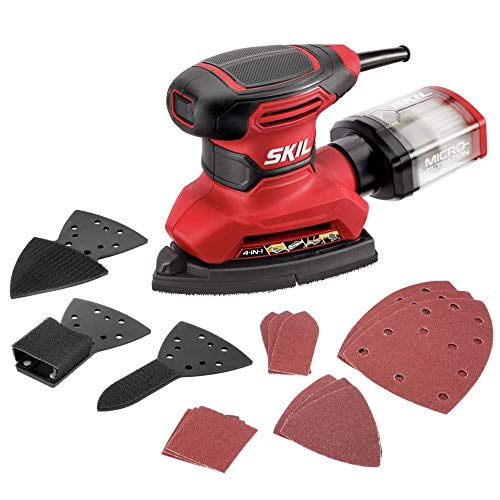
SKIL Corded Multi-Function Detail Sander with Micro-Filter Dust Box 3 Additional Attachments & 12pc Sanding Sheet- SR232301


As an Amazon Associate we earn from qualifying purchases. Product prices and availability are accurate as of the date/time indicated.

DEWALT 20V MAX Orbital Sander, Tool Only (DCW210B) | Brushless motor, dust collection


As an Amazon Associate we earn from qualifying purchases. Product prices and availability are accurate as of the date/time indicated.

DEWALT Random Orbit Sander, Variable Speed, 5-Inch (DWE6423), Power Source Corded Electric




As an Amazon Associate we earn from qualifying purchases. Product prices and availability are accurate as of the date/time indicated.

WEN 6301 Electric Detailing Palm Sander


As an Amazon Associate we earn from qualifying purchases. Product prices and availability are accurate as of the date/time indicated.

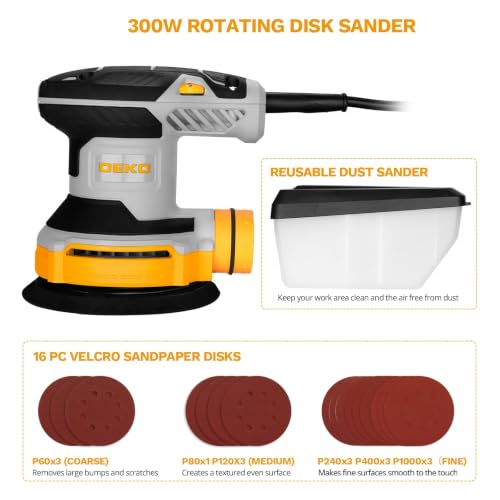
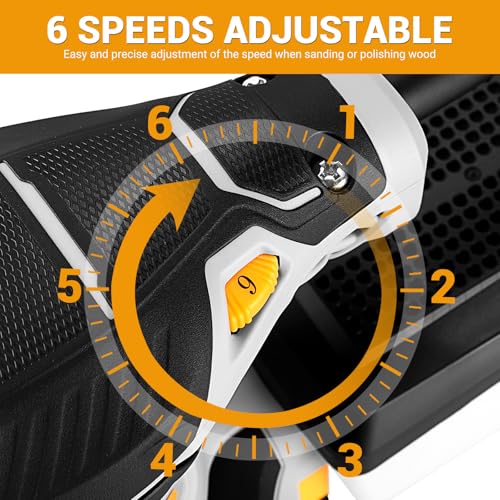
Orbital Sander Corded Hand Sander: DEKOPRO 5" Random Orbital Sander with Dust Box, 6 Various Speeds Electric Palm Sander with Dust Box, 16Pcs Sandpapers for Woodworking & Sanding-Yellow




As an Amazon Associate we earn from qualifying purchases. Product prices and availability are accurate as of the date/time indicated.

HYCHIKA Detail Sander, 14,000 OPM Compact Electric Sander Tool with 12 Pcs Sandpapers,Efficiency Dust Collection System,Suitable for Tight Spaces Sanding,Polishing,Removing Paint in Home Decoration


As an Amazon Associate we earn from qualifying purchases. Product prices and availability are accurate as of the date/time indicated.

WEN Benchtop Belt and Disc Sander with 4 x 36 in. Belt, 6 in. Disc and Cast Iron Base (6502T)


As an Amazon Associate we earn from qualifying purchases. Product prices and availability are accurate as of the date/time indicated.

DEWALT Electric Sander, 1/4 Sheet, 14, 000 OPM (DWE6411)


As an Amazon Associate we earn from qualifying purchases. Product prices and availability are accurate as of the date/time indicated.
| Model | Key point from the title | Price tier | Best for |
|---|---|---|---|
| SKIL SR211601 5-inch random orbital | Cyclonic dust box, 3 sanding sheets | Budget | First sander for flat surfaces |
| SKIL SR232301 multi-function detail sander | Micro-filter dust box, 3 attachments, 12 sheets | Budget | Corners, trim and small repairs |
| WEN 6301 detailing palm sander | Electric detailing palm sander | Budget | Light touch-up jobs |
| DEKOPRO 5-inch random orbital | 6 speeds, dust box, 16 sandpapers | Budget | Value-minded beginners |
| HYCHIKA detail sander | 14,000 OPM, 12 sandpapers, tight spaces | Budget | Small crafts and paint removal on details |
| DEWALT DWE6411 1/4 sheet | 14,000 OPM, quarter-sheet format | Mid-range | Flat panels with standard sheets |
| DEWALT DWE6423 5-inch random orbit | Variable speed, corded electric | Mid-range | All-round shop and home use |
| DEWALT DCW210B 20V MAX orbital, tool only | Brushless motor, dust collection, no battery in title | Mid-range | Owners of 20V MAX batteries |
| WEN 6502T benchtop belt and disc sander | 4 x 36 inch belt, 6 inch disc, cast iron base | Mid-range | Shaping small parts at a bench |
| DEWALT DCW211B 20V MAX XR 5-inch random orbital | Cordless random orbital | Premium | Cordless users who sand often |
Tiers are relative within this group, and the premium label simply reflects the highest listing here. “Tool only” means the battery and charger are not part of that package, according to the title.
What’s changing in the sander market
Cordless sanders have moved from novelty to normal. Platform ecosystems let owners buy a tool-only body and reuse batteries, and brushless motors are now routinely advertised. The trade-off is that a tool-only listing looks cheaper than it is for anyone who does not already have a battery and charger.
Dust control is the other visible trend. Cyclonic dust boxes, micro-filters and vacuum-ready ports show up in titles because buyers have learned that a sander without good collection makes a mess and a health risk. Claims about collection effectiveness are still seller claims, so treat them as a starting point.
Budget sanders also bundle more accessories than before. A pile of sanding sheets, extra attachments and even carry bags help new owners start immediately. The risk is that the bundle hides weak motors or flimsy pads, so look at what the title actually states about speed and pad size rather than counting accessories.
Titles are also getting longer and more confusing. A listing may mention OPM, speed settings, accessories and project ideas in one line without telling you the pad size. When a title is thin, as the WEN 6301 one is, the product page and manual become the real source of information.
Finally, buyers increasingly mix tool types, owning a random orbital for flat areas and a detail sander for corners. That pairing is cheaper and more effective than hunting for one machine that does everything.
How we picked these
We compared the listings on what their titles state: tool type, pad format, speed ratings, power source, dust handling and what is included in the package. Nobody on the team used or measured these units. Specification claims such as OPM figures are treated as seller claims, and anything the title leaves out is marked “check the listing”. Price tiers are relative to this group of ten, and one listing, the WEN benchtop belt and disc, is a stationary tool rather than a handheld sander.
The ten sanders
SKIL 5-inch random orbital sander (SR211601)
This SKIL listing is a corded 5-inch random orbital with a cyclonic dust box and three sanding sheets. The title does not give speed, motor size or whether the dust box connects to a vacuum. It is the simplest, most mainstream entry for a first sander, and the dust box shows that collection was considered from the start.
Scenario: you are refinishing a small wooden table and a pair of chairs. A random orbital with included sheets lets you start on day one and move through grits as needed. You will still want more paper and probably a mask.
- Pros: Random orbital action; cyclonic dust box; low price tier.
- Cons: No speed control stated; only three sheets included.
Check the listing for: pad type (hook-and-loop or not), cord length, dust box capacity and the warranty. Ask yourself: do I need variable speed for the woods and finishes I work with? For painted trim and softwood, a gentler pace can protect the surface.
SKIL corded multi-function detail sander (SR232301)
The SR232301 is a detail sander with a micro-filter dust box, three additional attachments and twelve sanding sheets. “Multi-function” implies the attachments change what the tool can reach, though the title does not describe them. It is positioned for small work rather than big surfaces.
Scenario: window trim, chair spindles and shelf corners where a round pad cannot go. The sheets in the package mean you can try different grits right away.
- Pros: Many sheets and attachments; micro-filter dust box; budget tier.
- Cons: Small pad limits speed; attachment details unclear.
Check the listing for: pad shape, attachment types and whether sheets are standard or proprietary. Ask yourself: will I mostly sand corners, or flat panels? A detail tool is slow on tabletops, so it works best as a second sander.
DEWALT 20V MAX orbital sander, tool only (DCW210B)
This cordless DEWALT is listed as “Tool Only”, so a battery and charger are not part of the package according to the title. It mentions a brushless motor and dust collection, which are the main points of interest. It is an orbital sander, not described as random orbital in the title, so do not assume the same swirl-hiding action.
Scenario: you already own 20V MAX batteries and want to move around a project without dragging a cord. If you do not own batteries, the actual cost is higher than the tier suggests.
- Pros: Cordless freedom; brushless motor listed; dust collection mentioned.
- Cons: No battery in the listing; orbital rather than random orbital wording.
Check the listing for: pad size, battery compatibility and dust port. Ask yourself: do I already own compatible batteries? A second battery is worth planning for on long sessions.
DEWALT 5-inch random orbit sander, variable speed (DWE6423)
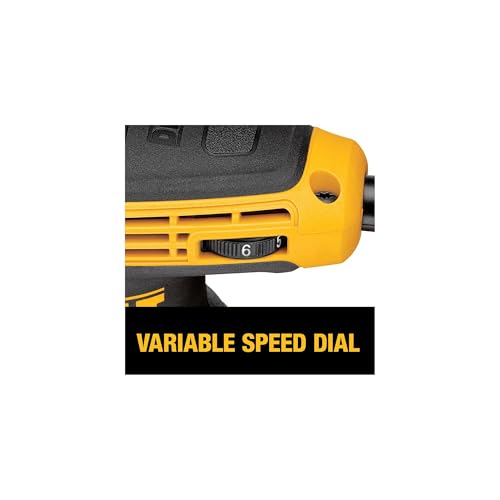
The DWE6423 is a corded 5-inch random orbit sander with variable speed, as the title states. It is the cleanest all-rounder in this set on paper: no battery to manage, speed control for different materials, and a familiar pad size. The title does not mention dust collection, so look for the dust canister and port details in the listing.
Scenario: a weekend deck-stair refinish or cabinet door project where you want enough power for stock removal and a lower speed for finishing. Corded power suits longer sessions.
- Pros: Variable speed; corded power; common 5-inch format.
- Cons: Mid-range tier; dust handling not described in the title.
Check the listing for: dust bag or canister, weight and pad type. Ask yourself: will variable speed help my materials, or is a fixed speed fine? Higher-priced corded tools are easiest to justify when you sand every month.
WEN 6301 electric detailing palm sander
The WEN 6301 title is short: an electric detailing palm sander. That makes it the least documented listing in the set, so the product page matters. It sits at the lowest price tier here, and a palm sander of this type is aimed at light finishing and small jobs.
Scenario: scuffing a painted shelf before recoating, or smoothing a small craft project. For this level of work, a basic palm tool can be enough, and you save the cost of a larger machine.
- Pros: Lowest price tier; compact; simple.
- Cons: Almost no specifications in the title; likely limited to light work.
Check the listing for: pad size, speed, dust collection and cord length. Ask yourself: is this for one small job, or something I will lean on? If it is the latter, one of the larger tools may serve you better.
DEKOPRO 5-inch random orbital sander with dust box
DEKOPRO’s listing offers a corded 5-inch random orbital with a dust box, six speeds and sixteen sandpapers. The six speeds give more control than a single-speed tool, and the accessory pile helps a beginner start. The brand is less established than the big tool names, so support and long-term durability are worth researching in buyer comments.
Scenario: furniture flipping on a budget, from a dresser top to drawer fronts. Sixteen sheets cover a few grit changes, though you will eventually need replacements.
- Pros: Six speeds; dust box; many sandpapers included.
- Cons: Less-established brand; motor power not stated.
Check the listing for: return policy, pad hole pattern and replacement parts availability. Ask yourself: am I comfortable relying on buyer comments for durability? Reading recent comments about the pad and switch is worthwhile for any lesser-known brand.
HYCHIKA detail sander, 14,000 OPM
The HYCHIKA listing highlights a compact electric detail sander at 14,000 OPM with twelve sandpapers and an efficient dust collection system. It also mentions polishing and paint removal, which are broad claims for a small tool. Treat those as marketing and check the sheets and accessories.
Scenario: stripping a thin layer of paint from a small decorative piece, or smoothing a tight corner on a picture frame. Remember that paint on older items may contain hazards, so follow official guidance before sanding it.
- Pros: Compact; 14,000 OPM stated; sandpapers and dust collection included.
- Cons: Small pad; paint-removal claim is broad.
Check the listing for: pad shape, dust port size and the warranty. Ask yourself: will a detail tool really suit my project, or do I need a larger pad? Small pads are slow on anything bigger than a shelf.
WEN benchtop belt and disc sander (6502T)
This one is not a handheld sander. The WEN 6502T is a benchtop belt and disc machine with a 4 x 36 inch belt, a 6 inch disc and a cast iron base. It is built for shaping, squaring and removing material from small parts held against the belt or disc, and it belongs to a different job category from every other listing here.
Scenario: you build small wooden boxes or shape knife scales and need to bring the work to the machine. For finishing a tabletop, it is the wrong tool.
- Pros: Stationary and stable; belt and disc in one; cast iron base listed.
- Cons: Not portable; not for large flat surfaces; needs bench space.
Check the listing for: motor power, dust port, tilting table details and guards. Ask yourself: do I have a bench and a way to manage the dust and sparks? Keep flammable materials away and follow the manufacturer’s instructions and local codes for fixed power.
DEWALT 1/4 sheet electric sander, 14,000 OPM (DWE6411)
The DWE6411 is a quarter-sheet electric sander with a 14,000 OPM figure in the title. A quarter-sheet format uses standard sandpaper cut into four pieces, which keeps paper costs down. It is described as electric, but the title does not say corded or give dust handling details.
Scenario: flat panels, cabinet doors and trim where you want straight, controlled sanding without swirl concerns, and you prefer standard paper sheets. It is a light-duty finishing tool.
- Pros: Standard quarter-sheet paper; 14,000 OPM stated; recognized brand.
- Cons: Not a random orbital; dust details missing.
Check the listing for: how paper attaches, dust collection and cord. Ask yourself: do I want sheet-paper economy over random orbital action? Cutting sheets to size is quick but adds a step.
DEWALT 20V MAX XR 5-inch random orbital, cordless (DCW211B)
The top-tier listing is a cordless 5-inch random orbital from the XR line, per the title. It combines the familiar pad size with battery freedom, and the model suffix resembles the tool-only naming of its sibling, but the title does not say so. Read the contents list for battery and charger inclusion.
Scenario: a remodeler or woodworker who sands daily and prefers not to trail a cord, ideally with batteries from the same platform already in the toolbox.
- Pros: Cordless random orbital; common 5-inch size; premium positioning.
- Cons: Highest price tier; battery and charger inclusion unclear.
Check the listing for: included battery, dust collection and pad hole pattern. Ask yourself: is the cordless premium worth it over the corded DWE6423? If you sand a few times a year, the corded model is the more economical route.
Sanders explained and how to choose
How the main types work
A random orbital sander spins its round pad while it also moves in small ellipses, which reduces visible scratch patterns. A palm or quarter-sheet sander vibrates a flat pad in small circles or back and forth, and it suits flat panels and light work. A detail sander has a small pointed pad for corners. A benchtop belt and disc sander is stationary; the abrasive moves and you hold the work against it.
Corded versus cordless
Corded tools give consistent power and cost less. Cordless tools give mobility, which matters when you move around a large piece or work outdoors. If you buy cordless, count the battery and charger. For one-off projects, corded usually wins on cost.
Matching the tool to the project
Flat furniture tops, doors and decking favor a 5-inch random orbital. Window frames, spindles and louvers favor a detail tool. Straight panels where you prefer standard paper favor a quarter-sheet model. Shaping small wooden parts, rounding corners or squaring ends favors a benchtop belt and disc. Plenty of projects need two of these, and the budget listings here make that combination affordable. If you can only buy one tool, the random orbital covers the largest share of everyday jobs.
Grit, pads and paper
Coarse grits remove material quickly, medium grits smooth it and fine grits prepare surfaces for finish. Most projects move through two or three steps. Hook-and-loop pads make swapping paper fast, but check that the listing’s pad matches the sheets you plan to buy.
Corded or cordless: which is right for you
Think about where you sand and how often. If most work happens in a garage or workshop near an outlet, a cord is a minor annoyance and saves money. If you work on ladders, outdoors or around a large piece, a cordless tool removes a tripping hazard. Tool-only listings are best for existing owners, and they make the cordless route look cheaper than it is for anyone starting from zero. Runtime also matters: a sander draws steady power, so a single small battery may need a swap during a long session, and a second battery is worth budgeting for if you choose cordless.
Maintenance for a longer tool life
Empty the dust box before it fills, and tap or brush the filter. Check the pad for wear, because a worn hook-and-loop face lets paper slip and wobble. Keep air vents clear, store the tool dry, and inspect the cord for nicks. For cordless tools, store batteries away from heat and follow the manufacturer’s charging guidance. A few minutes of care after each project beats replacing a clogged or overheated tool.
Dust and safety
Wear eye protection, hearing protection and a dust mask suited to fine dust. Clamp the workpiece, unplug corded tools before changing paper, and keep batteries out of heat. Dust is a fire and health concern, so empty collection boxes often and follow the manufacturer’s instructions. Older paint and finishes can contain hazardous materials; consult official guidance before sanding them. For a benchtop machine, keep guards in place and the work-table gap small, and follow local codes for any electrical work in your shop.
Worked example: refinishing a tabletop
Assume a tabletop of 30 by 60 inches, which is 1,800 square inches (an illustrative size), with an old finish to remove. Assume three grit stages: coarse, medium and fine. A 5-inch round pad covers roughly 20 square inches under its face, so even a single clean pass over the table means many overlapping strokes. Suppose each grit stage needs two full passes and each sheet lasts about one stage before it clogs (both are rough estimates, not listing data). That is three sheets minimum, and realistically five or six once you allow for a worn edge or a torn sheet. A package that includes three sheets covers the plan on paper but leaves no spare, while the DEKOPRO’s sixteen or the HYCHIKA’s twelve cover it with room to spare, though some of those sheets may be for detail pads. For the edges and corners, add 20 to 30 minutes with a detail sander. The takeaway: buy extra paper in the grits you need, and budget time for edges, not only the top.
| Spec concept | What to look for | Why |
|---|---|---|
| Tool type | Random orbital, quarter-sheet, detail or benchtop | Each suits a different job and surface |
| Power source | Corded, or cordless with battery status | “Tool only” means extra cost for batteries |
| Speed control | Variable speed or several speed settings | Lower speeds protect softer woods and finishes |
| Dust handling | Dust box, filter, vacuum port | Cleaner air and less clogged paper |
| Pad and paper | Pad size, hook-and-loop, sheet format | Ongoing paper cost and availability |
| Included accessories | Number of sheets and attachments | Good to start, but not a quality signal |
Mistakes buyers make
Buying a benchtop belt and disc sander when you need a handheld one is easy to do with a search term as broad as “sanders”. Another is treating a tool-only listing as the whole package. Many buyers also count sandpaper in the bundle as value and forget that they will need more, in several grits.
Skipping dust protection is a serious error: fine dust is not just messy. And some people use one grit start to finish, which leaves scratches. Finally, pressing hard on the tool does not speed things up and can clog the paper or stall the motor. Let the tool and the abrasive do the work.
One more trap is brand familiarity. Three of the models here carry a well-known tool name, but a famous name does not guarantee the right pad size or dust system for your job, and a lesser-known brand with a clear feature list can fit better. Read the specific title, not just the logo, and compare returns and warranty terms before you decide.
Verdict by use case
All-round corded pick: DEWALT DWE6423 for variable speed, or SKIL SR211601 for a lower tier with a dust box. Budget with extras: DEKOPRO, mindful of brand support. Corners and trim: SKIL SR232301 or HYCHIKA. Quarter-sheet finishing: DEWALT DWE6411. Cordless: DCW210B if you own batteries; DCW211B for a random orbital cordless setup. Shop shaping of small parts: WEN benchtop belt and disc. Tiny touch-ups: WEN 6301.
If you are building a small toolkit rather than buying a single machine, a sensible path is a corded random orbital first, a detail sander second and a benchtop machine only when your projects call for shaping. That order spends money where it is used most often and avoids owning a stationary tool that sits idle.
Related guides
- Rechargeable Electric Toothbrush With Travel Case
- Countertop Water Filters Without Installation
- Skin Lifting And Tightening Devices
Frequently asked questions
What is the best type of sander for a beginner?
A 5-inch random orbital sander is the usual starting point because it removes material reasonably quickly and leaves fewer visible swirl marks than a plain orbital tool. Corded versions avoid battery cost, while variable speed adds control on softer wood. Pair it with a dust box or vacuum port, eye and hearing protection and a dust mask. Add a small detail sander later for corners rather than buying one tool to do everything.
Is a cordless sander worth it over a corded one?
Cordless makes sense if you already own batteries from the same tool platform, because the tool-only price is lower and you skip the cord. If you do not, the battery and charger can cost more than the sander itself. Corded models give steady power for long sessions, so for a single project or occasional use they are often the more economical choice. Check whether the listing includes a battery and charger.
What is the difference between a random orbital sander and a detail sander?
A random orbital sander has a round pad that spins and oscillates, which suits flat surfaces such as tabletops and doors. A detail sander has a small, usually triangular pad that reaches corners, louvers and tight spots, but covers little area. Many people end up using both: the larger tool for the bulk of the work and the small one to finish edges and details.
Do I need a belt and disc sander?
Probably not for general furniture or deck work. A benchtop belt and disc sander is a stationary tool that you bring the workpiece to, and it suits shaping, squaring and removing material fast on smaller pieces. It is a different class from handheld sanders, so treat the WEN benchtop listing here as a workshop tool, not a direct alternative to a palm or random orbital model.
How important is dust collection on a sander?
Very. Sanding creates fine dust that irritates lungs and eyes, and some old paints can contain hazards, so follow official guidance before sanding old finishes. A built-in dust box catches part of it, a vacuum connection captures more, and a dust mask is still sensible. Empty the box often, because a full one reduces suction and clogs the pad holes.
How do I make sandpaper last longer?
Match the grit to the job, avoid pressing hard and clear dust from the pad and paper often. Clogged paper cuts poorly and wears faster, so tap it out or replace it when it stops biting. Keep sheets flat and dry, and do not skip grits, since jumping too far makes each stage work harder. Following the manufacturer’s instructions for pad and paper type also helps the paper grip properly.