
Key takeaways
- Dual-height handles: a high set for a shorter pull and a low set for more range of motion.
- Neutral grip: palms face each other, which many lifters find friendlier on wrists and shoulders.
- Knurling: a coarse knurl helps grip but can wear skin. Some makers offer a milder pattern.
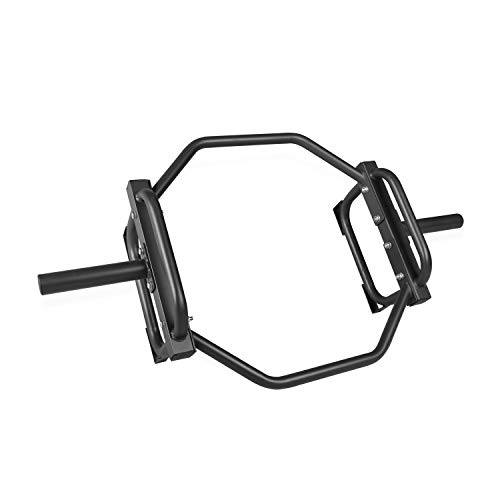
The best trap bar for most home and commercial gyms is a standard hex bar with raised handles and two sleeve diameters from a reputable maker such as Rogue, Rep Fitness, Titan or similar, while a gym with a small footprint or limited budget can use a simple open-frame or fixed-handle hex bar, and lifters who want a more specialized tool should look at an open-ended trap bar with variable grip heights. The key choices are handle options, sleeve length and whether the bar fits your plates and rack.
Our top picks



As an Amazon Associate we earn from qualifying purchases at no extra cost to you.
Trap Bars at a Glance
| Type | Best for | Key features (as makers describe them) | Limits |
|---|---|---|---|
| Standard closed hex bar with dual handles | General strength training, deadlifts, shrugs, carries | Hexagonal frame; high and low neutral grip handles; steel construction | Heavy and bulky; storage needs a corner or vertical stand |
| Open trap bar (e.g. Rogue-style open design) | Lifters who want easier entry and lunge or split-squat variations | One side open so you can step into the bar; neutral grip | Less symmetrical balance; some prefer closed for heavy pulls |
| Shrug bar / specialty hex bar | Upper trap and shrug focus | Shorter sleeves, handles set for shrug position | Narrower use outside shrugs and farmer-style carries |
| Adjustable-handle trap bar | Multi-user gyms and varying heights | Handle position can be reconfigured | More parts; adjustment points are a wear point |
| Budget hex bar (Titan, Fitness Gear and others) | Entry-level home gyms | Simple fixed frame with standard handles | Finish and knurl quality vary |
What a Trap Bar Does
A trap bar, also called a hex bar, places the weight beside your body rather than in front of your shins. Lifters generally find that this shifts the movement toward the knees and quadriceps while lessening forward lean, and many coaches use it as an introduction to deadlifting. Researchers have compared trap bar and straight bar deadlifts and found differences in joint loading, but the lift is still demanding, and beginners should learn the movement with light weight and, if possible, instruction from a qualified coach.
What to Compare
Weight and length
Makers list the bar weight, overall length and sleeve length. Heavier bars feel more stable and can hold more plates, while lighter bars are easier to move around. Check the weight capacity so that your intended loads are well within it.
Handle design
- Dual-height handles: a high set for a shorter pull and a low set for more range of motion.
- Neutral grip: palms face each other, which many lifters find friendlier on wrists and shoulders.
- Knurling: a coarse knurl helps grip but can wear skin. Some makers offer a milder pattern.
Sleeve diameter and plate compatibility
Most trap bars accept standard Olympic plates with a 2-inch hole. Confirm that the sleeve has enough length for the number of plates you plan to load, and consider rubber bumper plates if you drop the bar from the top of a lift. Using collars is a safety habit that many gyms require.
Finish and durability
Common finishes include black oxide, zinc, cerakote and bare steel. Cerakote and zinc resist rust better in humid garages, while bare steel can corrode if not oiled. Makers publish warranty periods, which show how much they stand behind weld quality and sleeves.
Storage and footprint
A hex bar is wide, so measure your floor space and storage corner. A vertical bar holder or wall mount helps keep the garage floor free.
Budget Tiers
| Tier | What you usually get | Trade-offs |
|---|---|---|
| Budget | Basic fixed hex bar, simple finish, standard sleeves | Rougher knurl or finish; shorter warranties |
| Mid-range | Well-welded frames, better finishes, longer sleeves, optional accessories | The best value for most lifters |
| Premium | Heavy steel, custom coatings, open designs, specialty variations | Top build quality; higher cost and weight |
Safety and Setup
- Load plates evenly on both sides and use secure collars.
- Keep a neutral spine and brace your core. If you feel sharp pain, stop and speak with a medical professional or qualified coach.
- Use a deadlift platform or rubber flooring to protect the floor and reduce noise.
- Do not exceed the maker’s capacity rating.
- Inspect welds and sleeves periodically for cracks or looseness, and stop using the bar if you see damage.
Anyone with a history of back, hip or heart conditions should check with a clinician before starting heavy lifting.
Exercises You Can Do
- Trap bar deadlift, from either handle height.
- Shrugs for upper traps.
- Farmer carries for grip and trunk strength.
- Bent-over rows with a neutral grip.
- Jump variations for athletes, if the bar and platform allow.
- Floor presses or push-ups using the handles for a neutral grip setup.
Pick X If… Decision Table
| Pick this | If you… |
|---|---|
| Closed hex bar with dual handles | Want one bar for deadlifts, shrugs and carries in a home gym |
| Open trap bar | Prefer easier entry or want to try split-stance variations |
| Shrug bar | Mostly want upper trap work and have a straight bar for deadlifts |
| Budget hex bar | Are starting out and want a basic piece of equipment |
| Cerakote or zinc finish | Store the bar in a humid garage and want rust resistance |
| Premium heavy-steel bar | Train heavy, share the bar with others or run a small commercial space |
Alternatives
- Straight Olympic barbell: a more versatile bar that supports squats, presses and deadlifts.
- Safety squat bar: offers a different loading option for lifters with shoulder issues.
- Kettlebells and dumbbells: good for hinge patterns and carries without a bar.
- Landmine attachment: adds neutral grip pulling and pressing options to a standard barbell.
Common Mistakes
- Choosing a bar without checking sleeve length against planned plate loads.
- Ignoring floor protection.
- Skipping collars.
- Buying a unique or specialty bar before deciding what training style you prefer.
- Letting form slide when loads climb.
Programming and Use Cases
Beginners
The upright torso and neutral grip make the trap bar deadlift an approachable way to learn the hip hinge. Start with a light load, use the higher handles if mobility is limited, and keep the bar close to your legs. A coach or an experienced training partner can review your setup.
Strength-focused lifters
Many use the trap bar for heavy sets alongside straight bar pulls to vary the stress on the lower back and legs. Because the loading position is different, numbers do not transfer directly between bars, so track each separately.
Athletes
Coaches in field and court sports often program jumps and fast pulls with a lighter load. This calls for sturdy flooring and a bar with a stable sleeve fit, and it is best done with qualified supervision.
General fitness and older lifters
The neutral grip and more upright posture suit many people who find the straight bar awkward. Moderate loads, controlled repetitions and attention to form matter more than chasing numbers.
Floor, Plates and Accessories
Pair the bar with a platform or thick rubber mats to protect the floor, and add quality collars. Bumper plates are useful if you ever lower the bar quickly, since they are designed to withstand drops. A bar stand or vertical holder keeps the bar from rolling or being stepped on. Lifting straps or chalk can help grip when loads climb, but build grip strength gradually rather than relying on straps for every set. Flat-soled shoes or deadlift slippers help you stay stable on the platform.
Buying Notes
Before ordering, compare the bar weight, overall width, sleeve length, handle heights and warranty the maker lists. Measure the doorway and storage spot, since hex bars are wide. Read reviewer comments about knurl feel, sleeve spin and finish durability, because those details show up only after months of use. If you train with others, consider whether handle height suits taller and shorter lifters, and whether you want a bar that also fits a landmine or rack accessory. Buying from a maker with clear replacement-part and support policies saves trouble if a sleeve or collar wears out later.
Frequently Asked Questions
Is a trap bar better than a straight bar for deadlifts?
Neither is better for everyone. A trap bar usually feels more upright and approachable, and a straight bar tests a different range of motion. Many lifters use both depending on their goals.
What weight should I start with?
Begin with a light load that lets you control the movement, and increase gradually. A qualified coach can help you set a plan, especially if you are new to deadlifts.
Do I need special plates?
Most trap bars use standard Olympic plates with a 2-inch hole. Bumper plates are useful if you drop the bar or train on a platform, but they are not mandatory for every lifter.
Can a trap bar fit in a power rack?
Typically no, because it is wide and designed for floor lifts. Some lifters use it for rack-supported pulls, but you should follow the maker’s guidance and make sure the safety pins and uprights are secure.
Are open trap bars safer?
Open designs are easier to step into and some lifters find them more comfortable, but safety depends on technique, load and setup. Follow the maker’s instructions and use collars on any bar.
How do I keep the bar from rusting?
Store it in a dry space, wipe it down after use and follow the maker’s care guidance. Coated finishes resist rust better than bare steel, but they can still chip.
FAQ
Is a trap bar better than a straight bar for deadlifts?
What weight should I start with?
Do I need special plates?
Can a trap bar fit in a power rack?
Are open trap bars safer?
How do I keep the bar from rusting?
More from Amazon
Programs that pair well with the guide above. Offers and eligibility are set by Amazon and may change.
Free shipping on eligible items, Prime Video and more. Eligible new members can start with a free trial.
Start a Prime free trialAudiobooks and podcasts to listen to on the go. Eligible new members can start with a free trial.
Try Audible freeAd-free music streaming. Eligible new subscribers can start with a free trial.
Try Music Unlimited freeA free business account with business pricing and bulk-buying tools for work, shop or home office.
Create a business accountAs an Amazon Associate we earn from qualifying purchases.







