
Key takeaways
- Set the decoy in view of deer approaching from the downwind side, since deer circle to check scent.
- Keep it within a comfortable shooting range in the open, so the animal that approaches is in a clear position.
- Avoid placing it in front of dense cover where a following hunter could be behind the shot.
- Use bowhunting setups with care; a decoy can pull a deer’s attention away from you, which many bowhunters value.
- Remove or cover the decoy when walking out so another hunter does not mistake it for game.
- Check state rules on baiting and attractants, which vary widely.
For most hunters, a lightweight, collapsible buck or doe decoy with a realistic head and a stable stake system suits whitetail hunting best, a full-body hard-form decoy suits those who hunt open fields from the same blind each season, and a compact photo-style or foldable decoy suits anyone who walks long distances. The best choice depends on weather, terrain, the stage of the rut you hunt, and how far you carry your gear. Check your state or provincial hunting regulations first, because rules on decoys, scent, and required hunter orange vary.
Our top picks
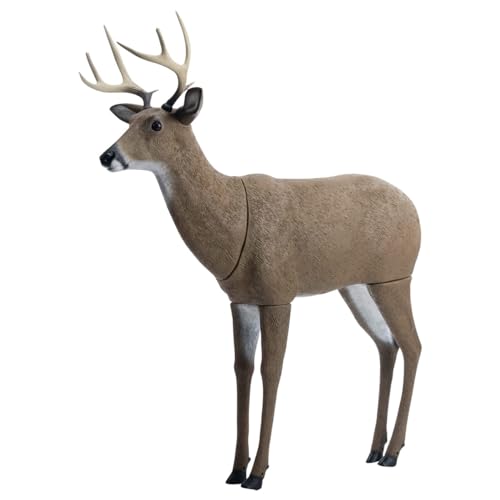
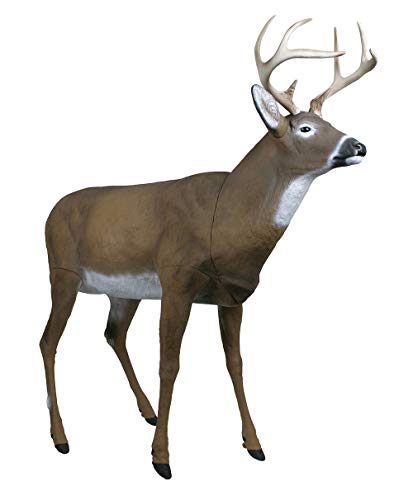


As an Amazon Associate we earn from qualifying purchases at no extra cost to you.
At a Glance
| Type | Example makers | Best for | Key traits | Limits |
|---|---|---|---|---|
| Collapsible full-body decoy | Flambeau (Boss Buck line), Montana Decoy, Carry-Lite | Rut hunting from ground blinds and tree stands | Foldable body and removable antlers on many models, compact to carry | Lighter materials can flap in wind |
| Hard-form full-body decoy | Various makers | Permanent field setups | Rigid, realistic shape | Bulky and hard to transport |
| Foam or flocked-body decoy | Various makers | Realistic texture, close shots | Soft, quiet and often lightweight | Can be pricier; needs care in storage |
| Half-body or silhouette decoy | Various makers | Walking hunters and tight spaces | Very light and easy to pack | Realism depends on angle |
| Doe or fawn decoy | Various makers | Early season and calming bucks | Non-threatening look to wary deer | May attract less aggression |
| Turkey-style or other mixed decoy | Various makers | Multi-species hunters | Reuse across species where regulations allow | Not designed for deer in particular |
Product ranges change often, so treat the makers above as examples of the categories, and read the current specification on each maker’s own page for dimensions and weight.
Safety and Legal Notes First
Decoys can attract other hunters as well as deer. Many states require hunter orange or blaze orange during firearm seasons, and a decoy may lead a careless hunter to mistake it for live game. Place decoys where you have a clear view of what is behind them, wear orange when required, and never move a decoy while carrying it in a way that looks like an animal. Some jurisdictions restrict or prohibit decoys, motion devices or electronic attractants, particularly for certain seasons or species. Confirm current rules with your state wildlife agency before purchase and before every season. Treat every firearm as loaded and identify your target and what lies beyond it.
What to Look For
Realism and posture
Deer pay attention to posture. A relaxed feeding posture reads as safe, while an aggressive stance with head lowered may draw a dominant buck during the rut but can drive off a smaller one. Many makers offer interchangeable heads or antlers so you can modify the look. Realism is often judged by paint detail, a convincing hide pattern, and ears that look natural, though what actually works depends on the deer in your area.
Weight and portability
If you hike in, weight matters. Collapsible decoys that fold flat or use a lightweight fabric or plastic shell are easier to carry than a rigid hard-form model. Check the maker’s stated weight and folded size against your pack. Many hunters carry the decoy in a dedicated bag or strap it to a pack frame.
Stability in wind
Wind can tip or spin a light decoy, and a decoy that sways oddly can spook deer. Look for sturdy stakes, a weighted base or an included stand, and consider placing the decoy so wind hits it from the front or side rather than catching it broadside.
Motion and sound
Some decoys have a swiveling tail, a flexible neck or an attachment point for a motion device. Slight tail movement is generally considered natural, but too much movement looks wrong. Check state laws before using any motorized or electronic feature.
Scent control
Decoys are visual, but deer rely heavily on smell. Many hunters rub the decoy with natural cover scent, store it in a scent-free bag, and handle it with clean gloves. Some jurisdictions restrict the use of urine-based lures because of concerns about chronic wasting disease, so check local regulations.
Durability and storage
UV exposure fades paint and cracks plastic. Store decoys out of direct sunlight, and dry them fully before packing them for the off-season. Replacement stakes or antlers are available for many lines.
Picks by Need
Best for rut hunting from a blind: collapsible buck decoys
Flambeau’s Boss Buck line is widely recognized for lightweight, hollow-body designs that include interchangeable antlers on many models, according to the maker’s product pages. Montana Decoy has a long reputation in the category and offers realistic deer designs that reviewers tend to cite when they discuss quality. Carry-Lite is another established name, and its decoys tend to focus on lighter weight and packability.
Best for early season: doe or feeding-pose decoys
Before the rut, a calm feeding doe or fawn decoy can help deer feel at ease. It’s a lower-risk look than an aggressive buck and can be an effective way to break up the sight line.
Best for walk-in hunters: half-body and foldable silhouettes
If you walk a long way to reach your stand, a compact silhouette or fold-flat model saves weight. You trade some three-dimensional realism for portability.
Best for fixed field setups: rigid full-body decoys
If you hunt the same field each season and drive up in a truck, the added weight is not a burden, and a rigid body often looks more natural from a distance.
Best on a budget: basic collapsible decoys
Entry-level models give you the visual cue for a modest outlay. Expect lighter materials and fewer accessories, so you might supply your own stakes.
Decision Table: Pick X If …
| Pick this | If you … | Watch for |
|---|---|---|
| Collapsible buck decoy | hunt the rut and carry gear in | Wind stability, material thickness |
| Doe or feeding decoy | hunt early season or want a calmer look | May draw less attention from bucks |
| Hard-form decoy | drive to the field and want realism | Bulk and weight |
| Half-body or silhouette | walk long distances | Realism from side angles |
| Foam or flocked decoy | take close shots and want a lifelike texture | Storage and care |
| Budget decoy | are new to decoying | Thinner materials, fewer features |
Placement Tips
- Set the decoy in view of deer approaching from the downwind side, since deer circle to check scent.
- Keep it within a comfortable shooting range in the open, so the animal that approaches is in a clear position.
- Avoid placing it in front of dense cover where a following hunter could be behind the shot.
- Use bowhunting setups with care; a decoy can pull a deer’s attention away from you, which many bowhunters value.
- Remove or cover the decoy when walking out so another hunter does not mistake it for game.
- Check state rules on baiting and attractants, which vary widely.
Care Tips
Clean dirt with a damp cloth and mild soap, dry it fully, and fold it carefully along the maker’s creases. Store flat or hanging, away from heat. Replace worn stakes and straps before the season to avoid failures in the field.
Alternatives to a Dedicated Deer Decoy
- Natural calling: Grunt calls and rattling antlers can draw deer without a decoy and weigh almost nothing.
- Hunting from a stand with scent control only: Many hunters prefer a pure ambush approach.
- Blind placement near a feeding or travel corridor: Good scouting often matters more than any decoy.
Frequently Asked Questions
Do deer decoys really work?
They can, particularly during the rut when bucks are looking for does or rivals. Success depends on terrain, hunting pressure and how you present the decoy. They are not a guarantee, and some deer become wary of unnatural setups.
Should I choose a buck or a doe decoy?
A buck decoy can provoke a dominant buck during the rut, while a doe or feeding decoy is calmer and works earlier in the season. Many hunters keep both and switch as the season progresses.
Are deer decoys legal everywhere?
No. Rules vary by state and province, and some places restrict decoys for particular seasons or weapons. Always check with your local wildlife agency before using one.
Is it safe to use a decoy during firearm season?
It can be, with precautions. Wear the hunter orange required by your jurisdiction, keep a clear background behind the decoy, and identify your target before shooting. Cover or remove the decoy when you leave so no one mistakes it for a live deer.
How do I stop a decoy blowing over?
Use the stakes the maker provides, set it firmly in the ground, and orient it so the wind does not catch its broadside. Some hunters add a weighted base or a guy line, following the maker’s guidance.
Do I need scent on a decoy?
Many hunters use cover scent and handle the decoy with clean gloves because deer rely on smell. Some areas restrict urine-based products, so confirm the local rules first.
FAQ
Do deer decoys really work?
Should I choose a buck or a doe decoy?
Are deer decoys legal everywhere?
Is it safe to use a decoy during firearm season?
How do I stop a decoy blowing over?
Do I need scent on a decoy?
More from Amazon
Programs that pair well with the guide above. Offers and eligibility are set by Amazon and may change.
Free shipping on eligible items, Prime Video and more. Eligible new members can start with a free trial.
Start a Prime free trialAudiobooks and podcasts to listen to on the go. Eligible new members can start with a free trial.
Try Audible freeAd-free music streaming. Eligible new subscribers can start with a free trial.
Try Music Unlimited freeA free business account with business pricing and bulk-buying tools for work, shop or home office.
Create a business accountAs an Amazon Associate we earn from qualifying purchases.







