
For most kitchens, a washable, low-pile runner with a non-slip backing is the safest all-round choice, while people who stand at the counter for long periods are better served by a cushioned anti-fatigue mat such as those from GelPro or Sorbus. The best kitchen rug is the one that stays flat, handles spills and fits the space in front of the sink or along the counter without becoming a trip hazard.
Our top picks
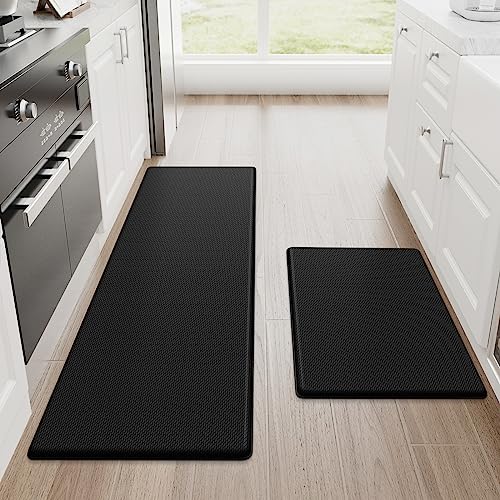
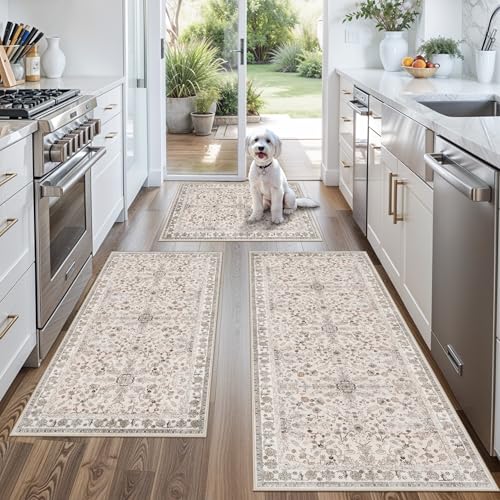


As an Amazon Associate we earn from qualifying purchases at no extra cost to you.
What to Look for in a Kitchen Rug
Kitchens are demanding rooms. Rugs there face spills, grease, crumbs, foot traffic and frequent cleaning. Reviewers and buying guides typically weigh the same handful of factors, and understanding them helps you avoid buying something that looks good but fails in daily use.
- Cleanability: Machine-washable rugs and wipe-clean mats are the most practical. Check the care label for the maker’s washing and drying guidance.
- Pile height: Low pile or flat-weave rugs are easier to clean and less likely to catch chair legs, doors and dropped pans.
- Backing: A non-slip backing keeps the rug in place on hard floors. Some rubber backings can discolor certain floor finishes, so read the maker’s floor-compatibility note.
- Cushioning: Standing comfort comes from foam or gel cores, not from thick fluffy pile.
- Size and shape: Runners suit galley kitchens; small rectangles suit sink fronts; larger area rugs suit open-plan kitchens.
- Material: Polyester, nylon, cotton and polypropylene are common. Natural fibers such as cotton feel soft but can absorb liquids; synthetics tend to resist stains.
Kitchen Rugs at a Glance
| Type / example | Best for | Key stated traits | Limits |
|---|---|---|---|
| GelPro anti-fatigue mats | Long cooking sessions at the counter | Gel-filled core with a stain-resistant surface, according to the maker | Premium tier; thicker edges can catch toes |
| Sorbus cushioned kitchen mats | Budget-conscious comfort | Foam cushioning with a non-slip base, per the maker | Foam can compress over time |
| Washable runner rugs (for example Ruggable-style systems) | Households that want machine-washable covers | Rug cover over a separate pad, per the makers | Two-part design costs more and needs the pad to stay flat |
| Flat-weave cotton runners | Casual, easy-care look | Thin, low-profile, usually machine-washable | Less cushioning; may slip without a pad |
| Rubber-backed nylon mats | Entry points and high-spill zones | Durable, easy to shake out and wipe | Basic look; rubber can mark some floors |
| Natural-fiber jute or sisal blends | Dry kitchens with a rustic style | Textured and decorative | Poor choice near sinks or spills |
Anti-Fatigue Mats: GelPro and Sorbus
If your main complaint is sore feet or back after cooking, a purpose-built anti-fatigue mat tackles that directly. GelPro describes its mats as having a gel core encased in a polyurethane surface, and reviewers frequently highlight the springy feel. The trade-off is the premium tier and a raised edge that some users find catches on shoes. Sorbus and similar brands offer foam-cushioned alternatives at a more modest tier, which are lighter and easier to move but may flatten with heavy use.
People with mobility concerns or balance issues should be cautious. A thick, soft mat changes how the foot lands and the edge can be a tripping hazard. A health professional can advise on what surface is suitable for you.
Washable Rugs
Washable systems take the work out of cleaning. The maker of Ruggable, for example, describes a two-piece design in which the rug cover is machine-washable and attaches to a separate non-slip pad. Reviewers like the convenience for pets and children, but note that the pad must be positioned properly to prevent bunching. Simple cotton or polyester runners that go straight into the washing machine offer a cheaper route, though they usually need a separate rug grip to stay in place.
Flat-Weave and Low-Pile Runners
A flat-weave runner is a good match for galley kitchens. It lies flat, slides under appliance doors without catching and is easy to vacuum or shake out. Cotton versions tend to launder well, while polypropylene versions resist moisture. The downside is minimal cushioning, so consider one if aesthetics and cleanability matter more than standing comfort.
Rubber-Backed Mats
Rubber-backed nylon mats remain a staple at kitchen doors, sink fronts and pet feeding stations. They are durable, tolerate muddy shoes and wipe clean. Check the maker’s guidance on floor compatibility, since some backings can leave marks on vinyl or sealed wood. They are a pragmatic option rather than a stylish one.
Size and Placement Guide
| Space | Typical choice | Notes |
|---|---|---|
| In front of the sink | Small rectangular mat or anti-fatigue mat | Leave a gap from dishwasher doors |
| Galley kitchen | Runner, often 2 to 3 feet wide | Measure so appliance doors can open freely |
| Open-plan kitchen | Larger low-pile area rug | Keep chairs and island stools in mind |
| Entry or back door | Rubber-backed doormat | Choose one that traps water and dirt |
Measure the floor and the clearance of oven, dishwasher and fridge doors before ordering. A rug that interferes with an appliance door is both annoying and a safety risk.
Safety and Care Notes
- Keep rugs flat. Curled corners are a common trip hazard, and rug grips or double-sided tape designed for floors can help.
- Do not place rugs where hot oil or open flames may reach them. Follow the maker’s care and heat guidance.
- Vacuum or shake out regularly and wash according to the label.
- Lift and check beneath the rug occasionally; trapped moisture can damage some floors.
- If you have pets or small children, choose a firm, non-shedding surface with a secure backing.
Pick X If… Decision Table
| If you… | Pick |
|---|---|
| Stand at the counter for long stretches | GelPro or a comparable anti-fatigue mat |
| Want comfort on a tighter budget | Sorbus or similar foam-cushioned mat |
| Have pets, children or frequent spills | Washable rug system or machine-washable runner |
| Have a narrow galley kitchen | Flat-weave runner with a grip pad |
| Need an entry mat that takes abuse | Rubber-backed nylon mat |
| Want a rustic look in a dry kitchen | Jute or sisal blend, kept away from the sink |
Budget Tiers
Budget tier: Simple rubber-backed or foam mats and basic cotton runners. They do the job but may wear or compress sooner.
Mid-range tier: Better-made washable runners and cushioned mats with more reliable non-slip backings.
Premium tier: Gel-core anti-fatigue mats and washable rug systems with replaceable covers, which can last longer if cared for as directed.
Alternatives to a Traditional Rug
- Anti-fatigue insoles or supportive shoes: Some people find footwear changes ease standing fatigue without any floor covering.
- Cork or vinyl floor mats: Some makers produce firm, wipe-clean surfaces that offer light cushioning.
- Standing desk-style mats: Sold for offices but used in kitchens by people who want a low-profile cushion.
Common Mistakes When Buying a Kitchen Rug
The most frequent error is choosing by appearance alone. A thick, shaggy rug looks inviting but traps crumbs, holds moisture and is hard to clean. A second mistake is ignoring thickness at doorways and appliance fronts: a rug that is too thick can stop a dishwasher or oven door from opening fully. Third, many buyers skip the backing check. Without a secure non-slip layer, even a light runner can creep across tile or sealed wood, and that is how most rug-related slips happen at home.
Another overlooked point is how a rug behaves with underfloor heating. Some makers caution against certain backings on heated floors, so read the product notes if that applies to you. Likewise, if you have a robot vacuum, fringe and tassels can tangle, so a fringe-free edge is the safer pick.
Colors and Patterns That Hide Mess
Mid-tone colors and busy patterns disguise small stains and crumbs better than pale solids. Dark solid colors show lint and pet hair, while very light colors show every splash. If you cook often with sauces or coffee, a patterned washable runner is a practical compromise between looks and upkeep.
Matching the Rug to Your Floor
Hardwood, tile, vinyl and laminate each react differently to rubber and latex backings. Makers of many rug pads state which floor types their products suit, and following that guidance helps prevent discoloration or sticking. When in doubt, test a small corner in an unobtrusive spot and check it after a few days.
Rotating and Replacing
Rotate a runner every few months so wear is spread evenly, and replace any rug whose backing has cracked or whose edges curl and no longer lie flat. A worn rug is a trip hazard and is not worth keeping for sentimental reasons.
Frequently Asked Questions
Are anti-fatigue mats worth it in a kitchen?
Many people who stand while cooking report that a cushioned mat makes long sessions more comfortable. The effect varies from person to person, and a thick mat may not suit everyone. If you have ongoing foot or back pain, speak with a doctor or physical therapist.
Can I machine-wash a kitchen rug?
Some can. Always check the care label, as many rubber-backed or foam-cushioned mats should not go into a washing machine. Washable systems and flat cotton runners are designed for it.
How do I stop a kitchen rug from slipping?
Choose a rug with a non-slip backing or add a separate rug pad or grip made for hard floors. Check that the pad is compatible with your floor type, since some can mark finishes.
What size rug should I buy for a kitchen?
Measure the space and leave clearance for appliance doors and drawers. Runners usually run along a counter, while small rectangles suit the sink area. Avoid a rug so large that it laps under cabinets or gets caught in doors.
What material is best for a kitchen rug?
Synthetic fibers such as polyester, nylon and polypropylene resist stains and moisture and clean easily. Cotton is soft and often washable but absorbs liquids. Natural fibers like jute are better kept away from wet zones.
How often should I clean a kitchen rug?
Shake out or vacuum it weekly and wipe up spills promptly. Wash or deep clean following the maker’s instructions, and more often if the rug sits in a high-traffic or messy area.
FAQ
Are anti-fatigue mats worth it in a kitchen?
Can I machine-wash a kitchen rug?
How do I stop a kitchen rug from slipping?
What size rug should I buy for a kitchen?
What material is best for a kitchen rug?
How often should I clean a kitchen rug?
More from Amazon
Programs that pair well with the guide above. Offers and eligibility are set by Amazon and may change.
Free shipping on eligible items, Prime Video and more. Eligible new members can start with a free trial.
Start a Prime free trialAudiobooks and podcasts to listen to on the go. Eligible new members can start with a free trial.
Try Audible freeAd-free music streaming. Eligible new subscribers can start with a free trial.
Try Music Unlimited freeA free business account with business pricing and bulk-buying tools for work, shop or home office.
Create a business accountAs an Amazon Associate we earn from qualifying purchases.







