
Key takeaways
What's inside
Best outdoor security camera systems must survive weather, darkness, and the temptation of a monthly fee, so this best outdoor security camera guide ranks proven options by what truly matters. Below is how power, storage, and detection change the math, plus six models with honest trade-offs for any yard.
As an Amazon Associate we earn from qualifying purchases at no extra cost to you. Product prices and availability are accurate as of the date shown and are subject to change.


As an Amazon Associate we earn from qualifying purchases.
By Daniel Foster
What To Weigh Before You Choose An Outdoor Camera
Before comparing models, settle the three decisions that shape every outdoor install: how the camera gets power, where the footage lives, and whether recurring fees are involved. Get these right and the shortlist narrows quickly, because most disappointment comes from mismatched power or a surprise cloud bill rather than the sensor itself. The best outdoor security camera earns its place by getting power, storage, and fees right, not by chasing headline megapixels.
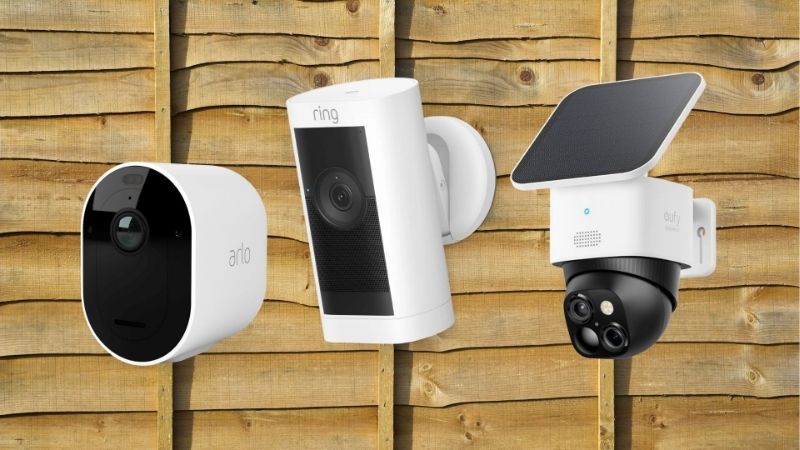
Outdoor Security Camera Decision Numbers
Three numbers decide fit: power source (wired, battery, or solar), storage type (local microSD or NVR versus cloud), and any subscription fee for recorded video. Wired means constant uptime; battery means easy placement but recharge cycles; solar reduces charging in sunny spots but underperforms in shade or short winter days. Cold weather also trims battery capacity, so plan placement around your local climate.
Resolution ranges from 1080p to 2K and 4K, with wider dynamic range helping backlit doorways. Confirm the field of view in degrees for the area you cover, and check whether motion detection is basic PIR or on-device person and vehicle analysis, which cuts false alerts from swaying trees and passing headlights at night. These three figures separate a great best outdoor security camera from one that frustrates you within a month.
Placement, Space, And Fit
Outdoor cameras live on eaves, soffits, or walls, so measure mounting height (roughly 8-10 ft / 2.4-3 m) and check that the bracket angles down toward the path you care about. A camera aimed too high sees rooftops; too low, it captures ankles. Plan the sightline before you drill.
For rentals or apartments, favor battery or solar units with adhesive or clamp mounts that leave no holes and lift off cleanly when you move. Wired and floodlight models need a nearby junction box or outlet, so confirm cable routing to avoid dangling wires across siding or a rented balcony wall.
Before ordering, measure the run from your chosen mount to the nearest outlet or junction box, and picture the exact arc the lens will cover. A quick sketch of the sightline saves a return, since the most common install regret is a camera aimed at rooftops or empty lawn.
Weatherproofing And Night Vision
Look for an ingress rating of IP65 or higher for rain and dust, and note the operating temperature range if you live somewhere with hard freezes, since battery capacity drops sharply in the cold. Gaskets and seals degrade over years, so a replaceable mount or warranty on the housing is worth checking.
Night vision comes as infrared (black and white) or color night vision that relies on a spotlight or ambient light. Color helps identify clothing and vehicles, but the built-in light draws attention and, on battery models, drains the pack faster during a busy, motion-heavy evening near a sidewalk.
Demand for outdoor cameras tends to climb in the final months of the year, when package deliveries surge and porch theft rises alongside them. That seasonal pressure is why a visible deterrent light and dependable capture near the front step matter most in winter, exactly when short days and cold also strain battery models.
Top Outdoor Security Camera Picks
The six options below span wired detail, wire-free convenience, and fee-free local storage, so you can match a camera to your wiring, climate, and budget tier. Each entry notes a real drawback, because no outdoor camera is perfect once you factor in power, storage, and long-term seal wear. Any best outdoor security camera below can anchor dependable coverage once you settle the subscription question.
| Pick | Power | Storage | Best for |
|---|---|---|---|
| Reolink wired/PoE | Wired | Local, no fee | Always-on detail |
| eufyCam | Battery | Local hub | Skip monthly fees |
| Arlo Pro | Battery | Cloud | Flexible placement |
| Ring Spotlight Cam | Battery/wired | Cloud | Deterrent light |
| Wyze Cam Outdoor | Battery | microSD | Budget tier |
| Google Nest Cam | Battery/wired | On-device+cloud | Smart alerts |
Reolink Wired Or PoE For Constant Detail
Reolink’s wired and Power-over-Ethernet models suit anyone who wants 24/7 recording without a cloud bill, storing footage on a microSD card or network video recorder. Higher-resolution variants reach 4K, which helps read plates and faces across a driveway when the lens and lighting cooperate.
The trade-off is installation: running Ethernet or power to an eave is more work than sticking a battery pack on a wall, and it is a poor fit for renters. App polish also trails the big smart-home brands, so expect a more utilitarian experience in exchange for no monthly fees. For detail-first buyers, it is a compelling best outdoor security camera when wiring is feasible.
That preference for owning footage is a large part of why local-storage brands have grown popular. A microSD card or recorder means no monthly bill and no third party holding your clips, which appeals to anyone uneasy about outside access to video from around their home.
eufyCam To Skip Monthly Fees
eufyCam pairs battery cameras with a local HomeBase hub that stores clips without a required subscription, which is the main draw for buyers tired of recurring costs. On-device person detection reduces nuisance alerts, and long battery intervals limit how often you climb a ladder to recharge.
Drawbacks include reliance on the hub, so a hub outage or a full local drive can interrupt recording, and advanced cloud features still cost extra. In very busy, high-traffic spots, battery life shortens, so a wired power option is worth considering for a front entry.
Battery intervals vary widely with traffic, weather, and how often the spotlight triggers, so treat any advertised runtime as a best case. In a busy front yard, plan to recharge more often, or wire the unit so it never runs flat during a stretch of frequent motion.
Arlo Pro For Flexible Placement
Arlo Pro’s wire-free design and magnetic mounts make it easy to reposition, and the wide field of view covers yards and side gates. Color night vision and a built-in siren add deterrence, while weather resistance handles typical rain and heat in most climates without special enclosures.
The catch is that Arlo leans on a cloud subscription for recorded video and its best smart features, so budgeting for the ongoing plan is essential. Without it, you lose event history, which undercuts the value if fee-free recording is your priority for outdoor coverage.
When comparing cloud brands, add the yearly plan cost across the number of cameras you plan to run; a fleet of four can quietly double your first-year outlay. Framing that total cost of ownership up front prevents the common surprise of a subscription that outgrows the hardware price.
Ring Spotlight Cam As A Visible Deterrent
Ring’s Spotlight Cam adds a bright light and siren that can interrupt a would-be package thief, and battery or wired versions let you match the install to your wiring. Integration with a wider Ring ecosystem and Alexa devices is smooth for households already inside that platform.
The recurring cost is the sticking point: recorded video and event review require a Ring Protect plan, so factor that into total cost of ownership. Privacy-minded buyers should also review data and law-enforcement policies before committing to a cloud-first brand for outdoor security.
Coverage of cloud-video data sharing and law-enforcement access has also made buyers read storage policies more closely. That scrutiny is steering many toward cameras that keep footage local, so if privacy weighs on you, treat the storage question as seriously as image quality before committing to any cloud-first outdoor camera.
Wyze Cam Outdoor For Tight Budgets
Wyze Cam Outdoor is a budget-tier, battery-powered option that records to a microSD card, with an optional low-cost cloud plan for extras. For a shed, side yard, or secondary angle, it delivers usable 1080p coverage at a price that makes multi-camera setups affordable.
Compromises match the price: the base station requirement, shorter battery life in busy areas, and slower app response than premium brands. It is a strong value pick rather than a detail powerhouse, so pair it with a sharper camera at your main entry point.
Budget multi-camera setups also see the deepest markdowns around the major mid-year and late-November sales events, though exact dates shift each year and are worth confirming. If you are buying several units, timing the purchase to one of those windows can stretch a tight budget further.
Google Nest Cam For Smart Alerts
Google Nest Cam offers on-device intelligence that flags people, animals, and vehicles, reducing false pings, with battery and wired variants for different spots. It fits neatly into a Google Home routine and stores a short rolling history locally before you add a paid plan.
Extended video history and richer features live behind a Nest Aware subscription, so the fee question returns for power users. The premium price also stings if you need several cameras, making it better as a smart anchor than a whole-property, low-cost fleet.
If several cameras are on your list, mixing a smart anchor at the main door with cheaper local-storage units elsewhere often beats buying one brand throughout. That hybrid keeps the sharpest detection where it matters while holding down both hardware and any recurring costs across the property.
See More:
- Best eyeshadow blender brush
- Best frozen foods for air fryer
- Best frozen food for air fryer
- Best way to reheat steak in air fryer
- Best air fryer recipes book
Choosing Your Outdoor Security Camera
The best outdoor security camera is the one whose power, storage, and fee model match your home rather than the one with the flashiest spec sheet. Decide first whether you will accept a subscription; if not, lean toward local-storage brands and confirm the microSD or hub capacity you need. Shortlisting the best outdoor security camera this way keeps you from overpaying for specs you will not use.
Measure your mounting height and sightline, check for at least an IP65 rating, and remember that seasonal traffic, from summer package deliveries to winter cold, changes battery life and alert volume. With those factors settled, any pick above can anchor a dependable, honest outdoor security camera setup that you will not regret paying to run each month.


