Key takeaways
Indoor security camera review shoppers want clarity, so this indoor security camera review ranks options by what shapes daily use: image detail, storage fees, and real privacy controls. Below are six picks with honest drawbacks, from fee-free local storage to smart person and pet alerts for any room.
Our top picks
 Ring Indoor Cam
Color Night Vision keeps footage clear after dark
Manual privacy cover physically blocks the camera and mic
Flexible swivel mount adapts to tabletop or high placement
Plug-in design needs a nearby power outlet
Advanced features like rewatching footage need a separate Ring Protect subscription


 TP-Link Tapo 1080P Indoor Security Camera for
- Indoor Outdoor Usage: Indoor
- Compatible Devices: Smartphone, Tablet
- Controller Type: Amazon Alexa, Android, Google Assistant
Detects motion, people, or baby crying at no extra cost
Night vision reaches up to 30 feet in the dark
Works with both Alexa and Google Assistant
Limited to indoor use since it isn't water resistant
Only connects over 2.4GHz Wi-Fi networks

As an Amazon Associate we earn from qualifying purchases at no extra cost to you.
As an Amazon Associate we earn from qualifying purchases.
By Daniel Foster
How To Judge An Indoor Camera
Indoor cameras hinge on different priorities than outdoor units: privacy shutters, discreet size, and how footage is stored inside your home. Sorting these before you shop prevents buying a camera that either invades your own privacy or locks essential recordings behind a fee you did not plan for. A careful indoor security camera review weighs privacy hardware as heavily as image quality.
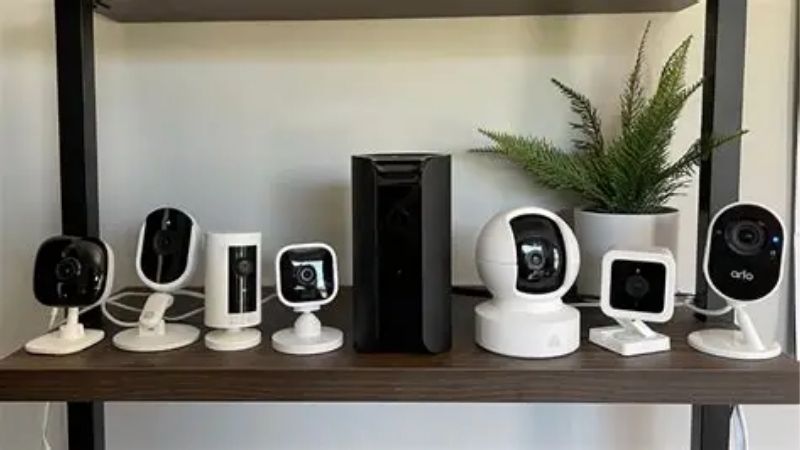
Indoor Security Camera Decision Numbers
The deciding factors are storage type (local microSD versus cloud), any subscription for saved clips, and privacy features like a physical lens cover or scheduled off modes. A privacy shutter that physically blocks the lens is more reassuring than a software toggle for bedrooms and living spaces.
Resolution runs 1080p to 2K, with a wide field of view helping small rooms, and detection may be basic motion or on-device person, pet, and sound recognition. Two-way audio, local-only modes, and clear data policies matter more indoors, where the camera watches your family rather than a public path. That privacy focus is what sets an indoor security camera review apart from an outdoor one.
Placement, Space, And Fit
Indoor cameras sit on shelves, mount to walls, or clamp to furniture, so measure the surface and the sightline to the door or crib you want covered. A corner placement roughly 7-8 ft / 2.1-2.4 m high captures a whole room, while a shelf spot risks obstruction from decor or a bumped lens.
Small footprints suit renters and tidy setups, and a magnetic or adhesive base avoids drilling. Keep the camera off the floor away from curious pets and toddlers, and route the USB power cable so it is not a trip hazard or an easy target for an inquisitive child to unplug. Keep the lens away from bright windows to avoid glare that washes out faces.
Position the camera in a room corner so a single wide view captures the door and main walk paths, and keep it off the floor away from pets and toddlers. Route the USB cable along a baseboard so it is neither a trip hazard nor an easy thing for a curious child to unplug.
Detection, Audio, And Privacy
Person and pet detection cut false alerts from ceiling fans or sunlight, and sound detection can flag a smoke alarm or crying. Look for activity zones so you monitor a doorway without recording the whole room, which also reduces storage use and unnecessary notifications throughout the day.
Because these cameras face inward, privacy is central: prefer models with a manual shutter, local storage options, and transparent policies on cloud access. Two-way audio is useful for checking on pets or family, but confirm you can mute or disable the microphone when you want quiet, private time. Any honest indoor security camera review should stress these controls before resolution.
Indoor cameras have drawn particular scrutiny after reports of account breaches and internal access to home video. That attention explains the rise of models with a physical lens shutter and local-only storage; for a bedroom or nursery, hardware you can see covering the lens reassures more than a software toggle.
Top Indoor Camera Picks
The six below balance fee-free storage, privacy hardware, and smart detection, so you can weigh convenience against ongoing cost and comfort. Each notes a real limitation, because indoor cameras trade off image quality, privacy controls, and storage policy in ways no single model resolves perfectly. Every pick in this indoor security camera review keeps core recording usable for a real room.
| Pick | Storage | Privacy | Best for |
|---|---|---|---|
| eufy Indoor Cam | Local microSD | Software modes | No monthly fee |
| Wyze Cam | microSD/cloud | Basic | Budget tier |
| Google Nest Cam | On-device+cloud | Strong policy | Smart alerts |
| Ring Indoor Cam | Cloud | Manual shutter | Ecosystem fit |
| Blink Mini | Local/cloud | Basic | Compact value |
| TP-Link Tapo | microSD | Privacy mode | Local storage |
eufy Indoor Cam For Fee-Free Storage
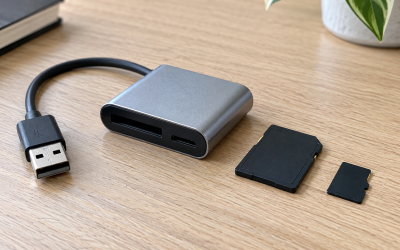
eufy’s indoor cameras record to a microSD card without a required subscription and offer on-device person and pet detection, a strong fit for buyers who want to avoid monthly costs. Home and away modes let you disable recording when you are present, adding a layer of privacy control.
The main drawback is that privacy relies on software modes rather than a physical shutter on many models, so trust in the software matters. Some richer features still involve cloud services, and app polish, while good, can trail the largest smart-home platforms in occasional reliability. Trusting the software mode is the key question for bedroom placement.
Choosing a camera that records to a card in your own home, rather than a company’s servers, is a direct answer to those privacy worries. It also means the footage keeps working during an internet outage, a quiet advantage of local storage that cloud-first indoor cameras cannot match.
Wyze Cam For Tight Budgets
Wyze Cam delivers 1080p or higher coverage at a budget-tier price, with microSD recording and an inexpensive optional cloud plan. It is a popular first camera for a nursery, pet corner, or entryway, offering two-way talk and motion alerts without a big outlay.
Compromises include slower app response, occasional cloud outages historically, and fewer advanced privacy controls than premium brands. It is a value pick rather than a polished flagship, so treat it as an affordable extra angle rather than the core of a security-critical setup.
Because local footage lives on a card, a stolen camera can take its clips with it, so a second angle or an occasional off-device copy adds resilience. Treat an affordable indoor camera as one layer, not the whole plan, especially in a room you would want evidence from later.
Google Nest Cam For Smart Alerts
Google’s indoor Nest Cam brings reliable on-device detection for people, animals, and familiar faces where supported, plus a short rolling history stored locally before a plan is added. It integrates smoothly with Google Home routines and displays on compatible smart displays for quick checks.
Extended history and advanced features require Nest Aware, so the fee question returns for heavy users, and the price is premium. It is best as a smart anchor in a key room rather than a low-cost way to blanket a whole home with cameras.
Add up any plan across the rooms you want covered before committing, since indoor cameras multiply quickly once you start. A smart anchor in a key room paired with cheaper local units elsewhere usually beats putting a premium, fee-based camera in every space you want to watch.
Ring Indoor Cam For Ecosystem Fit
Ring’s Indoor Cam is compact, affordable up front, and slots into Alexa and Ring routines, with a manual privacy cover on newer models that physically blocks the lens and mic. That hardware shutter is a meaningful reassurance for indoor use where privacy is paramount.
Recorded video needs a Ring Protect plan, so ongoing fees apply, and Ring’s data and law-enforcement policies warrant a look before buying. If you value fee-free local storage or minimal cloud exposure, this cloud-first approach may not be the best match for your home.
A manual cover that physically blocks the lens and microphone is worth prioritizing indoors, where the camera faces your family rather than a public path. It is the clearest way to guarantee the camera is off when you want privacy, independent of any app setting or firmware you have to trust.
Blink Mini For Compact Value
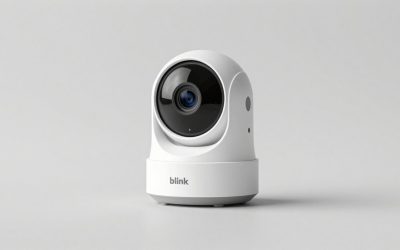
Blink Mini is a tiny, low-cost plug-in camera with local storage via a Sync Module or an optional cloud plan, and Alexa integration for simple voice control. Its small size and price make it easy to add several around a home for basic coverage of common areas.
Trade-offs are limited resolution, a fixed wired power design, and fewer smart-detection features than premium rivals. It is a value-and-size pick, not a detail leader, so pair it with a sharper camera where identification really matters, such as a main entry hall.
Compact plug-in cameras are easy to scatter for broad, low-cost coverage, but resolution and detection trail premium models. Use them to fill in common areas and pair a sharper camera where you actually need to identify a face, rather than relying on a budget unit for a critical spot.
TP-Link Tapo For Local Storage
TP-Link’s Tapo indoor cameras emphasize microSD local storage with no mandatory subscription and include a privacy mode that turns the lens away or disables it. Pan-and-tilt models track motion across a room, useful for pet owners wanting broad coverage from a single unit.
Drawbacks include a less mature ecosystem than the big brands and occasional app quirks, plus optional cloud features that add cost if you want them. For buyers prioritizing local storage and a physical privacy stance, it is a practical, affordable indoor choice with sensible controls. For local-first buyers who prefer keeping footage in the house, it covers the everyday essentials without a recurring bill or a mandatory account.
Indoor cameras also double as pet monitors and are a popular gift, so demand and discounts both tend to rise around the late-year sales. If you are buying one to check on a dog or as a present, that window can help, though the exact sale dates shift yearly and are worth confirming.
See More:
- Best eyeshadow blender brush
- Best frozen foods for air fryer
- Best frozen food for air fryer
- Best way to reheat steak in air fryer
- Best air fryer recipes book
Wrapping Up This Indoor Camera Review
The right pick from this indoor security camera review depends on two early calls: how much privacy hardware you want, and whether you will accept a subscription. If not, eufy, Wyze, Blink, and Tapo lean on local storage; if smart alerts lead, Nest and Ring justify their fees for many homes. Settling privacy and fees first narrows the field faster than comparing specs.
Measure your shelf or wall spot, confirm activity zones cover the door without filming the whole room, and prefer a physical shutter for bedrooms. With privacy, storage, and detection settled to your comfort, any option in this indoor security camera review can watch your rooms responsibly without unwelcome surprises.