Key takeaways
Flood sensor for home shopping is about catching a leak in minutes, before a ruined floor or ceiling, so this flood sensor for home guide ranks picks by how they detect water and alert you quickly. Below are six options with honest drawbacks, weighed on sensor type, alerts, and true automatic shutoff.
Our top picks




As an Amazon Associate we earn from qualifying purchases at no extra cost to you.
As an Amazon Associate we earn from qualifying purchases.
By Daniel Foster
Why Early Leak Detection Matters
Water damage is expensive and fast, so a sensor that catches a leak early can save a floor, a ceiling, or a finished basement. Sorting the sensor type, the alert method, and whether it ties into shutoff or freeze detection first keeps a flood sensor for home focused on preventing damage rather than merely recording it after the fact.
Flood Sensor Decision Numbers
The deciding factors are the sensor type (a spot sensor that detects water where it sits, or a rope/cable sensor that detects along its length), the alert method (a local siren, a phone push, or both via a hub), whether it adds freeze or temperature detection, and whether it can trigger an automatic water shutoff.
Then confirm connectivity and battery life, since a Wi-Fi sensor pings your phone anywhere but drains faster, while a hub-based sensor may last longer and work during an internet dip. A sensor that only chirps locally is useless if you are away, so match the alert to whether you travel or leave the home empty.
Check whether the sensor integrates with a smart shutoff valve, which turns a warning into prevention by stopping the water automatically. Freeze detection is a valuable bonus in cold climates, catching a dropping temperature before a pipe bursts rather than after the water is already flowing. The best flood sensor for home matches its alert method to whether you are usually home or often away.
Placement, Space, And Fit
Place spot sensors on the floor at the lowest point near risks: under sinks, behind toilets, by the water heater, washing machine, dishwasher, and sump pump. A rope sensor snakes along a longer at-risk area, catching water anywhere along its run rather than only at one spot.
Keep sensors flat on the floor where water would pool first, not on a shelf, and confirm the contacts sit low enough to detect a thin sheet of water early. For a finished basement, add sensors near any wall penetration and the sump, since that is often where flooding starts.
For hub-based systems, confirm the sensors are within wireless range of the hub through walls and floors, and test each after placing it. Battery sensors need periodic checks, so note their locations and battery type, since a dead sensor in a hidden spot silently stops protecting that area. Placing sensors flat at the lowest point, where water pools first, is what buys you those early minutes.
Sensor Type, Alerts, And Shutoff
Spot sensors are cheap and easy, ideal for known risk points, while rope sensors cover a length for areas where water could appear anywhere along a wall or under a run of pipe. Combining several spot sensors with a rope where needed covers a home’s water risks comprehensively.
Alerts split between a loud local siren, useful when you are home, and phone or hub notifications that reach you anywhere. A local-only alarm cannot help while you travel, so for real protection during absences, choose a connected sensor that pushes alerts to your phone through a hub or Wi-Fi.
The biggest upgrade is linking sensors to an automatic shutoff valve, which stops the water when a leak is detected, turning a notification into damage prevention. Freeze detection adds another layer, warning of a temperature drop that could burst a pipe, so you can act before any water escapes at all.
Top Flood Sensor Picks
These six span standalone chirping sensors, connected Wi-Fi and hub sensors, and shutoff-integrated systems, so you can match protection to your risks and whether you travel. Each entry names a real drawback, because a flood sensor for home that only sounds locally is very different from one that alerts your phone and stops the water. Reading how far each goes, alert only or automatic shutoff, is the real choice to make.
| Pick | Sensor | Alert | Best for |
|---|---|---|---|
| Govee Wi-Fi water sensor | Spot | Phone + siren | Fee-free alerts |
| YoLink leak sensor | Spot | Hub + phone | Long range |
| Ring Alarm flood/freeze | Spot | Hub + phone | Alarm integration |
| Aqara/eufy leak | Spot | Hub + phone | Smart-home link |
| Moen Flo + sensors | Flow + spot | Auto shutoff | Damage prevention |
| Standalone chirp sensor | Spot | Local siren | Simple budget |
Govee Wi-Fi Water Sensor For Fee-Free Alerts
Govee’s Wi-Fi water sensors push phone alerts and sound a local alarm with no subscription, connecting directly to your network for quick, fee-free leak notifications. For covering several risk points affordably with app alerts, they are a popular, practical choice.
The drawback is Wi-Fi reliance and battery drain, so a weak signal in a basement or a dead battery can leave a spot unprotected. They alert but do not shut off water, so pair them with a shutoff valve if you want prevention rather than just a fast warning.
For fee-free, app-connected leak alerts, Govee sensors cover the essentials cheaply. Place them at every known risk point, confirm Wi-Fi reaches each spot, and check batteries periodically, adding a shutoff valve separately if stopping the water automatically matters to you.
YoLink Leak Sensor For Long Range
YoLink’s leak sensors use a long-range low-power radio to a hub, reaching far corners and basements where Wi-Fi struggles, with phone alerts and long battery life. For large or multi-level homes, the extended range is a genuine advantage over Wi-Fi-only sensors.
The drawback is that it requires the YoLink hub, and the ecosystem is smaller than the biggest smart-home brands. Confirm hub placement and coverage, and check which automations or shutoff integrations you need are supported before building around the system.
For range and battery life across a big home, YoLink is a strong pick. Place sensors at every risk point, confirm the hub covers them all, and pair with a compatible shutoff valve if you want detection to trigger automatic water shutoff.
Ring Alarm Flood/Freeze For Alarm Integration
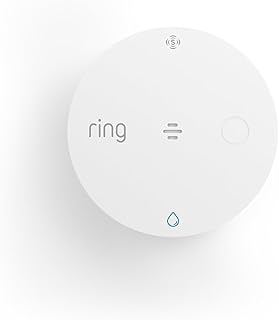
Ring Alarm’s flood and freeze sensor ties leak and low-temperature detection into the Ring system, pushing phone alerts and folding water risks into your security setup. For a Ring household, adding water and freeze awareness is straightforward and unified with the alarm.
The drawback is ecosystem lock-in and reliance on the hub and cloud, plus some features leaning on a plan. It alerts but does not shut off water, so pair it with a shutoff valve for prevention, and confirm behavior during an internet outage.
For Ring users, the flood/freeze sensor is a convenient add-on. Place it at risk points, use the freeze detection in cold climates to catch a temperature drop early, and add an automatic shutoff separately if you want to stop a leak rather than just be told about it.
Aqara Or eufy Leak For A Smart-Home Link
Leak sensors from Aqara or eufy tie into their smart-home hubs, adding water detection alongside cameras and sensors with phone alerts and, often, automation options. For households in those ecosystems, folding leak alerts into existing routines is convenient.
The drawback is that a hub is usually required, integration depth varies, and some automations need configuration. Confirm compatibility and range, and check whether the sensor can trigger a shutoff valve or only send an alert within the ecosystem you use.
For a smart-home link, these sensors extend your existing system to cover water. Place them at risk points, confirm hub range, and set up any automations or shutoff triggers, remembering that an alert alone prevents nothing unless you or a valve acts on it.
Moen Flo Plus Sensors For Damage Prevention
Moen Flo pairs an inline flow monitor and automatic shutoff valve with spot sensors, detecting leaks and abnormal flow and stopping the water automatically. For turning leak detection into genuine damage prevention, an automatic shutoff system is the strongest approach.
The drawback is higher cost and a plumbing install for the shutoff valve, often needing a professional, plus a subscription for some advanced features. Confirm pipe compatibility and installation requirements, and budget for both hardware and any recurring plan.
For real prevention, a shutoff-integrated system like Moen Flo is the gold standard. Have the valve installed correctly, place spot sensors at risk points, and confirm the automatic shutoff behavior, since stopping the water is what actually saves a home from a burst pipe. For anyone who travels, automatic shutoff is the difference between a scare and a flooded home.
Standalone Chirp Sensor For Simple Budgets
A standalone battery water alarm chirps loudly when its contacts touch water, offering cheap, simple leak detection with no hub, app, or fee. For a renter or a single known risk point, a local siren is an inexpensive early warning when you are home.
The drawback is no remote alert, so it cannot reach you while away, and no shutoff or logging. It is a supplement to, not a replacement for, a connected sensor if you travel, and its battery must be checked since a dead one silently stops protecting the spot.
As the simplest option, a chirp sensor covers a risk point cheaply for someone usually home. Place it at the lowest spot near a known leak risk, test it, and pair it with a connected sensor or a shutoff system if you need alerts or prevention while you are out.
See More:
- Best eyeshadow blender brush
- Best frozen foods for air fryer
- Best frozen food for air fryer
- Best way to reheat steak in air fryer
- Best air fryer recipes book
Choosing Your Flood Sensor For Home
The best flood sensor for home depends on your risks and whether you travel: fee-free Wi-Fi sensors from Govee for app alerts, long-range YoLink for big homes, Ring or Aqara for ecosystem integration, and Moen Flo when you want automatic shutoff. Add freeze detection in cold climates to catch burst-pipe risk early.
Place sensors flat at every water risk point, confirm alerts reach your phone while away, and consider a shutoff valve to turn warnings into prevention. Because leaks and frozen pipes spike in winter and drive costly claims, cold season is a common time to act, but the goal is a flood sensor for home that warns, and ideally stops the water, before damage spreads.