Key takeaways
What's inside
Smart home monitoring pulls intrusion, fire, water, and climate awareness into one app so you know what is happening from anywhere, so this smart home monitoring guide ranks systems by coverage and cost. Below are six options with honest drawbacks, weighed on response, cellular backup, and fees today.
As an Amazon Associate we earn from qualifying purchases at no extra cost to you. Product prices and availability are accurate as of the date shown and are subject to change.


As an Amazon Associate we earn from qualifying purchases.
By Daniel Foster
What Whole-Home Monitoring Means
Monitoring has grown beyond burglary to include smoke, carbon monoxide, leaks, and temperature, unified in one system and app. Sorting what a platform monitors, whether response is self or professional, and how it behaves during an outage first keeps smart home monitoring focused on real awareness rather than a pile of disconnected gadgets and apps.
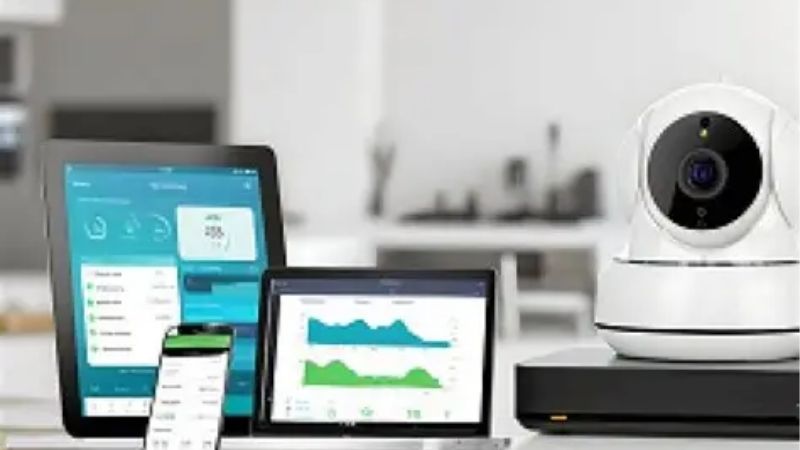
Smart Home Monitoring Decision Numbers
The deciding factors are what is monitored (intrusion plus environmental hazards like smoke, CO, water, and temperature), the response model (self-monitoring with phone alerts versus professional 24/7 dispatch), whether there is a cellular and battery backup for outages, the integration breadth, and the monthly fees.
Then confirm which sensors and devices the platform supports, since a system strong on security may be weak on environmental sensors or vice versa. Prioritize a cellular backup, because a monitoring system that goes silent when the internet or power fails cannot protect you during exactly the events that often cause an outage.
Check the fee structure, since professional monitoring and recorded video usually carry subscriptions, and tally them across the devices you want. A platform that unifies many device types in one app reduces app clutter, but confirm it genuinely integrates them rather than just listing partial compatibility. Confirming the specific sensors you need truly report into one app avoids a pile of disconnected gadgets.
Placement, Space, And Fit
Plan sensor coverage across both security and environment: contacts on entries, motion in key rooms, smoke and CO on every level, and leak sensors at water risks, with the hub centrally placed on strong signal. A monitoring system is only as good as the sensors feeding it, so cover real risks, not just the front door.
For apartments and rentals, favor wireless, no-drill sensors and a portable hub, confirming the system deregisters and re-registers at a new address. Size the sensor count to your home, and confirm the hub reaches every sensor through walls and across levels before relying on full coverage.
Place a smart display or keypad where you naturally arm, disarm, or check status, and keep the hub on reliable power with a battery backup. Because environmental sensors matter as much as security ones here, do not skip smoke, CO, and leak coverage when planning where everything goes. Covering environmental risks, not just entries, is what separates real monitoring from a basic alarm.
Coverage, Response, And Fees
Coverage breadth is the point of whole-home monitoring, so favor platforms that handle intrusion and environmental hazards together rather than forcing separate apps. Confirm the specific sensors you need, security, smoke, CO, leak, and temperature, are supported and report reliably into the same system.
Response is the core choice: self-monitoring pushes free phone alerts but relies on you to act, while professional dispatch adds a fee and can summon responders for intrusion and, on some plans, environmental emergencies. Match the response to how quickly problems must be handled when you are away.
Fees are where costs hide, since professional monitoring, recorded video, and some environmental features carry subscriptions that scale with your setup. Frame the total yearly cost up front, and weigh whether cellular backup and dispatch, which most justify a plan, are worth it for your situation. Framing the total yearly fee before buying is the clearest way to avoid a subscription that creeps up.
Top Smart Home Monitoring Picks
These six span security-first systems with environmental add-ons, fee-free local platforms, and full professional monitoring, so you can match coverage and response to your home. Each entry names a real drawback, because smart home monitoring trades off breadth, fees, and offline reliability in ways no single platform resolves for everyone. Reading each drawback closely helps you match coverage and response to how you actually live.
| Pick | Response | Backup | Best for |
|---|---|---|---|
| SimpliSafe | Self or pro | Cellular (paid) | Flexible dispatch |
| Ring Alarm Pro | Self or pro | Cellular + backup | Alexa + Wi-Fi hub |
| Abode | Self or on-demand pro | Cellular option | Broad integration |
| eufy | Self, no fee | Local | Skip fees |
| Wyze | Low-cost pro option | Limited | Budget coverage |
| Google/Nest ecosystem | Self (+ADT where offered) | Varies | Google homes |
SimpliSafe For Flexible Dispatch
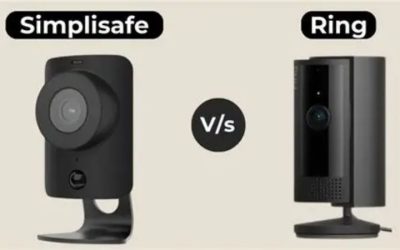
SimpliSafe covers intrusion plus smoke, CO, water, and temperature sensors, with free self-monitoring and optional no-contract professional dispatch and cellular backup on paid tiers. For flexible whole-home monitoring you can adjust as needed, it balances breadth and control well.
The drawback is that dispatch, full history, and some features lean on a subscription, and component costs grow with coverage. Price the exact sensors and the tier you need, and confirm which environmental sensors are supported before assuming complete coverage.
For adjustable dispatch across security and environment, SimpliSafe is a strong all-rounder. Add the environmental sensors you need, choose a tier with cellular backup, and confirm which features stay free if you self-monitor, so the system fits both your risks and your budget. The no-contract flexibility is the real draw for anyone who dislikes being locked into a long agreement.
Ring Alarm Pro For An Alexa And Wi-Fi Hub
Ring Alarm Pro combines security monitoring with a built-in Wi-Fi router and cellular backup, tying into Alexa and Ring cameras plus environmental add-ons. For an Alexa household wanting security, network, and monitoring in one hub, the integration is convenient.
The drawback is ecosystem lock-in, fees for recorded video and full monitoring, and Ring’s data policies, plus reliance on the cloud for many features. Confirm which environmental sensors are supported and how the system behaves offline beyond the cellular backup.
For a unified Alexa-centric hub, Ring Alarm Pro folds monitoring into a broader setup. Budget for the subscription across cameras and monitoring, add environmental sensors as needed, and lean on the cellular backup so alerts survive an internet outage. Folding the router and monitoring into one hub is convenient, but confirm what still works offline.
Abode For Broad Integration
Abode supports a wide range of sensors and smart-home standards, with self-monitoring and on-demand professional dispatch, appealing to those who want security and environment woven into broad automations. Its openness makes it flexible for custom whole-home setups.
The drawback is a steeper learning curve and some features behind plans, so building the right coverage takes effort. Confirm which environmental sensors and integrations you need are supported, and budget setup time to configure and test everything.
For broad integration across brands and hazards, Abode rewards tinkerers. Map your security and environmental coverage, add cellular backup, and test automations before relying on them, so the flexible platform actually delivers the unified monitoring you set out to build. The openness rewards tinkerers, though casual users may prefer a simpler, more guided system instead.
eufy To Skip Fees
eufy leans on local storage and free self-monitoring across cameras and sensors, with no required subscription, appealing to buyers avoiding recurring costs. On-device detection trims false alerts, and adding entry, motion, and leak sensors builds coverage without a monthly plan.
The limitation is that professional dispatch is not the focus, environmental coverage is narrower than security-first alarm platforms, and some features involve cloud services. Without dispatch, you rely on yourself to act on alerts, which suits self-reliant households more than those wanting responders.
For fee-free monitoring focused on security with some environmental sensors, eufy is a strong value. Confirm which sensors are supported, keep the hub on reliable power, and consider a dispatch-capable platform instead if professional response to emergencies matters to you. For self-reliant households, avoiding a monthly fee entirely is a real and lasting benefit over time.
Wyze For Budget Coverage
Wyze offers low-cost cameras, sensors, and an inexpensive monitoring option, making broad coverage affordable across security and some environmental sensors. For a budget-conscious household wanting many monitored points cheaply, it lowers the entry cost significantly.
Compromises include slower app response, limited backup and environmental depth, and reliance on Wyze’s cloud reliability. It is a value platform rather than a polished, full-service system, so temper expectations on dispatch, backup, and integration breadth.
As affordable whole-home coverage, Wyze suits tight budgets. Add the sensors you need, confirm how alerts behave during an outage, and step up to a system with cellular backup and professional dispatch if reliability and response become priorities as your setup grows. As breadth on a budget, it covers many points cheaply, provided you accept the reliability trade-offs.
Google Or Nest Ecosystem For Google Homes
The Google and Nest ecosystem unifies cameras, doorbells, smoke and CO detection, and locks in one app, with professional monitoring available through partners where offered. For a Google household, consolidating security and some environmental awareness is coherent and convenient.
The drawback is that deep monitoring and dispatch depend on specific products and plans, environmental coverage varies, and features like extended history need a subscription. Confirm which devices truly integrate and how monitoring and offline behavior work before assuming full coverage.
For Google homes, the ecosystem centralizes awareness across several device types. Verify genuine integration and any monitoring partnership, budget for plans, and confirm cellular or offline behavior so the system keeps alerting you when the connection drops.
See More:
- Best eyeshadow blender brush
- Best frozen foods for air fryer
- Best frozen food for air fryer
- Best way to reheat steak in air fryer
- Best air fryer recipes book
Choosing Your Smart Home Monitoring
The best smart home monitoring for you unifies the hazards you care about, security plus smoke, CO, water, and temperature, with a response model that fits: self-alerts from eufy or Wyze if you act yourself, or professional dispatch from SimpliSafe, Ring Alarm Pro, or Abode if you want responders. Prioritize cellular backup for outages. Confirming the platform genuinely unifies your sensors is what turns gadgets into real monitoring.
Cover real risks with the right sensors, confirm the platform genuinely integrates them, and tally the fees before committing. Because households increasingly consolidate devices to fight app clutter and subscription fatigue, the appeal of one system is clear, but the goal is smart home monitoring that watches what matters and keeps working when the power or internet does not. Framing the yearly fee up front keeps the convenience of one system from becoming a creeping cost.