Key takeaways
Eufy vs Ring comes down to one core split, local fee-free storage versus a cloud-based Alexa ecosystem, so this eufy vs Ring comparison weighs them on what matters day to day. Below you will see how they compare on storage, fees, privacy, and ecosystem, with honest drawbacks to guide you clearly here.
Our top picks


As an Amazon Associate we earn from qualifying purchases at no extra cost to you.
As an Amazon Associate we earn from qualifying purchases.
By Daniel Foster
The Core Split: Local Vs Cloud
eufy leans on local storage with no required subscription, while Ring stores in the cloud behind a plan and ties into Alexa. Sorting storage, fees, privacy, and ecosystem first keeps a eufy vs Ring decision grounded in how you feel about monthly costs and where your footage lives, which is the real difference between them.
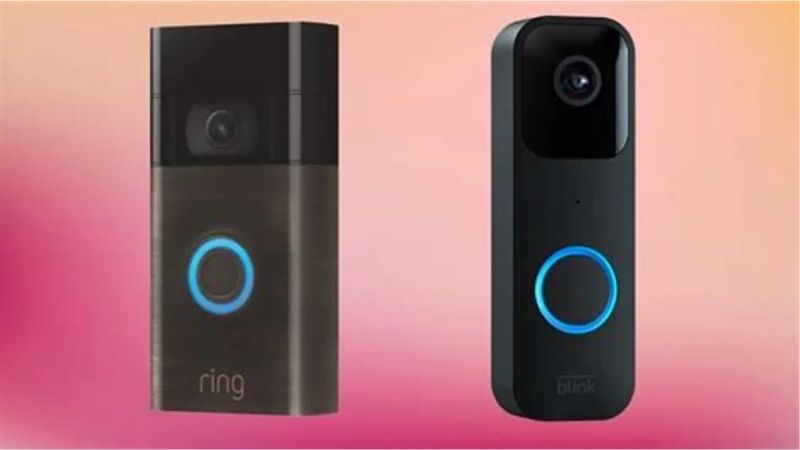
eufy And Ring Decision Numbers
The deciding factors are storage (eufy’s local hub versus Ring’s cloud), the subscription for recorded video (optional or none on eufy, required on Ring), the ecosystem (Ring’s tight Alexa integration versus eufy’s leaner one), and how each behaves offline. These shape both cost and privacy directly.
eufy’s strength is fee-free local storage and on-device detection, keeping footage in your home, while Ring’s is ecosystem breadth, easy setup, and a wide camera lineup. Decide whether you prioritize avoiding subscriptions and keeping footage local, or a polished, camera-rich Alexa experience.
Confirm offline behavior, since eufy’s local hub keeps recording during an internet cut while Ring leans on the cloud for many features. Weigh Ring’s data policies, which some buyers scrutinize, against eufy’s local-first approach, though eufy still uses cloud services for some features. Sorting storage and fees first is what makes this decision clear rather than confusing.
Placement, Space, And Fit
Both offer wireless cameras and doorbells, so plan placement the same way: outdoor units about 8-10 ft (2.4-3 m) high angled down the path, doorbells at the standard height, and cameras where Wi-Fi is strong. Placement matters more than brand for real coverage of entries and blind spots.
eufy centralizes clips on a HomeBase hub, so confirm the hub’s placement and storage capacity, while Ring stores in the cloud, needing only Wi-Fi per camera. For either, wire the busiest entry to avoid frequent battery recharging, and confirm signal reaches outdoor and garage spots.
Both are renter-friendly with no-drill mounts, and both travel to a new home. Cover the entries that matter first, keep footage local with eufy to skip fees or budget Ring’s plan, and test camera angles day and night so the setup holds up in real use. Testing camera angles day and night is what turns a tidy install into real coverage.
Fees, Privacy, And Ecosystem
Fees are the headline: eufy offers fee-free local storage with optional cloud, while Ring requires a Ring Protect plan for recorded video, so Ring’s long-term cost is higher. If avoiding subscriptions matters most, eufy leads; if ecosystem convenience does, Ring’s plan may be worth it.
Privacy follows storage: eufy keeping clips on a local hub appeals to buyers wary of cloud video, while Ring’s cloud model and data policies draw more scrutiny. Neither is absolute, since eufy uses some cloud features, but the local-first approach is a meaningful difference for privacy-minded buyers. For anyone wary of cloud video, that local-first storage is a genuinely meaningful draw.
Ecosystem is Ring’s strength, with tight Alexa integration and a broad device range, while eufy’s integration is leaner but improving. If you want voice control and a large camera lineup, Ring leans ahead; if you want local storage and no fees, eufy is the clearer fit. Weighing fees and footage location heavily is wise, since both outlast the hardware choice.
Six Picks Across Both And Beyond
These six span both brands’ cameras and doorbells plus two alternatives, so this eufy vs Ring guide points you to a fit rather than just a winner. Each entry names a real drawback, because the better brand depends on whether you value fee-free local storage or a cloud-based Alexa ecosystem. This eufy vs Ring guide points to a fit, not just a winner, across both brands and beyond.
| Pick | Storage | Fees | Best for |
|---|---|---|---|
| eufy cameras | Local hub | None required | Skip subscriptions |
| Ring cameras | Cloud | Plan required | Alexa ecosystem |
| eufy doorbell | Local hub | None required | Fee-free doorbell |
| Ring doorbell | Cloud | Plan required | Ecosystem doorbell |
| Arlo (alternative) | Cloud | Plan required | Wireless placement |
| Wyze (alternative) | microSD/cloud | Low-cost | Budget tier |
eufy Cameras For Skipping Subscriptions
eufy’s cameras store footage on a local hub with no required subscription and use on-device detection to trim false alerts, keeping clips in your home. For buyers whose main goal is avoiding monthly fees, they are the heart of the eufy case in this comparison.
The drawback is hub dependence and occasional slower cloud extras, and some features still cost more. Battery models need recharging in busy areas, so wire the busiest camera, and confirm which functions stay free before assuming the no-fee tier covers everything.
In this eufy vs Ring match-up, eufy cameras win for fee-free local storage. Keep footage on the hub, place battery units where recharging is practical, and pair with a wired camera at your busiest entry for reliable, always-ready coverage without a plan. For fee-averse buyers, eufy cameras are the heart of its case in this comparison.
Ring Cameras For The Alexa Ecosystem
Ring’s cameras integrate tightly with Alexa and the Ring app, offering easy setup, a broad lineup, and a coordinated experience across Echo devices. For households wanting voice control and ecosystem breadth, they are the core of the Ring case.
The drawback is that recorded video needs a Ring Protect plan, so fees scale with cameras, and data policies warrant review. Cloud reliance means confirming outage behavior, and battery models need recharging, so wire busy entries.
In this comparison, Ring cameras win for the Alexa ecosystem and lineup breadth. Budget the subscription across cameras, confirm Wi-Fi at each, and treat the ecosystem convenience as the trade for higher long-term fees than eufy’s local approach. For an Alexa home, Ring cameras trade higher fees for smoother voice and ecosystem control.
eufy Doorbell For A Fee-Free Doorbell
eufy’s video doorbells store recordings on a local hub with no required subscription and often show a tall view for packages, keeping doorbell footage fee-free. For buyers who want a smart doorbell without a monthly plan, it is a strong pick in this guide.
The drawback is hub dependence and battery recharging on wireless models, plus some features that still cost more. A hardwired install suits a busy entrance, and confirming which functions stay free matters before assuming full no-fee use.
For a fee-free doorbell, eufy leads this match-up. Store clips on the hub, hardwire a busy entry to avoid recharging, and use the tall view for package visibility, keeping doorbell footage in your home rather than a subscription cloud. For a fee-free doorbell, keeping clips on the hub is eufy’s clearest advantage at the door.
Ring Doorbell For An Ecosystem Doorbell
Ring’s video doorbells are a category staple with tight Alexa integration, easy setup, and announcements across Echo devices. For a household on Ring, the doorbell unifies neatly with cameras and the alarm in one app and voice ecosystem.
The drawback is that recorded video needs a Ring Protect plan, so fees apply, and data policies warrant review. Battery models need recharging, and cloud reliance means confirming outage behavior at the door.
For an ecosystem doorbell, Ring wins in this comparison. Budget the plan, confirm Wi-Fi at the door, and enjoy the Alexa integration as the trade for ongoing fees, choosing it over eufy when ecosystem cohesion matters more than fee-free storage. For ecosystem cohesion, Ring’s doorbell unifies neatly at the cost of an ongoing plan.
Arlo For Wireless Placement (Alternative)
As an alternative, Arlo’s wire-free cameras offer wide fields of view and color night vision for flexible placement, within a polished app. For buyers wanting wireless coverage beyond either eufy or Ring, Arlo is a capable option.
The drawback is that recorded clips and the best features lean on a subscription, so it does not solve the fee question the way eufy does. Battery life varies, and a large wireless fleet strains Wi-Fi, so confirm your network.
For flexible wireless placement, Arlo is a solid alternative in this guide. Reserve battery cameras for hard-to-wire spots, budget the plan, and confirm Wi-Fi, choosing it when placement flexibility outweighs eufy’s fee-free local storage. For wireless placement, Arlo adds flexibility but keeps the fee question eufy avoids.
Wyze For Budgets (Alternative)
As a budget alternative, Wyze cameras record to microSD or a cheap cloud plan, covering rooms and entries affordably. For buyers who want many points on a tight budget beyond eufy or Ring, Wyze lowers the entry cost significantly.
Compromises include slower app response, some detection behind a plan, and reliance on Wyze’s cloud reliability. It is a value approach rather than a polished ecosystem, so anchor the main entry with a stronger camera.
For budgets, Wyze is the value alternative in this comparison. Use local microSD to skip fees, place cameras on secondary angles, and pair with a stronger unit at the main entry, choosing it when price matters more than ecosystem or local-hub polish. As the budget alternative, Wyze covers many points cheaply with the usual trade-offs.
See More:
- Best eyeshadow blender brush
- Best frozen foods for air fryer
- Best frozen food for air fryer
- Best way to reheat steak in air fryer
- Best air fryer recipes book
Which Brand Should You Pick?
The eufy vs Ring answer hinges on storage and fees: choose eufy for fee-free local storage, privacy-minded footage, and no required subscription, and Ring for tight Alexa integration, easy setup, and a broad camera lineup. Both are renter-friendly and capable, so the split is really cloud convenience versus local, fee-free control. Both are capable, so the split is really cloud convenience versus local, fee-free ownership. Reading each drawback closely helps you match storage and fees to what you value most.
If you want alternatives, Arlo adds wireless flexibility and Wyze adds budget value, both with their own trade-offs. Because cloud-privacy scrutiny and subscription fatigue push many buyers toward local storage now, weigh fees and footage location heavily, but the goal of this eufy vs Ring comparison is the brand whose storage, fees, and ecosystem fit how you live. Weigh fees and where footage lives most heavily, since those shape both cost and privacy directly.