Key takeaways
Arlo vs Blink pits a premium wireless camera brand against a budget, long-battery one, so this Arlo vs Blink comparison weighs them on what genuinely differs between them. Below you will see how they compare on resolution, battery life, storage, and fees, with honest drawbacks for each pick you weigh.
Our top picks
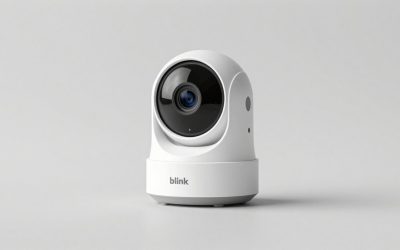
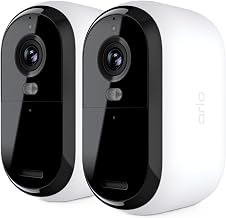
 Blink Outdoor 4
AA batteries and Sync Module Core provide up to two years of power
Dual-zone motion detection speeds up alerts
Two-way audio lets you see and speak through the app
Person detection requires an optional Blink Subscription Plan
Local storage is not included with the Sync Module Core



As an Amazon Associate we earn from qualifying purchases at no extra cost to you.
As an Amazon Associate we earn from qualifying purchases.
By Daniel Foster
Premium Versus Budget Wireless
Arlo aims higher on resolution and features with a subscription-leaning model, while Blink emphasizes long battery life and low cost with local storage options. Sorting resolution, battery, storage, and fees first keeps an Arlo vs Blink decision focused on whether you want premium detail or budget endurance, which is the real divide. Deciding which of those you value settles most of the choice before you even compare models.
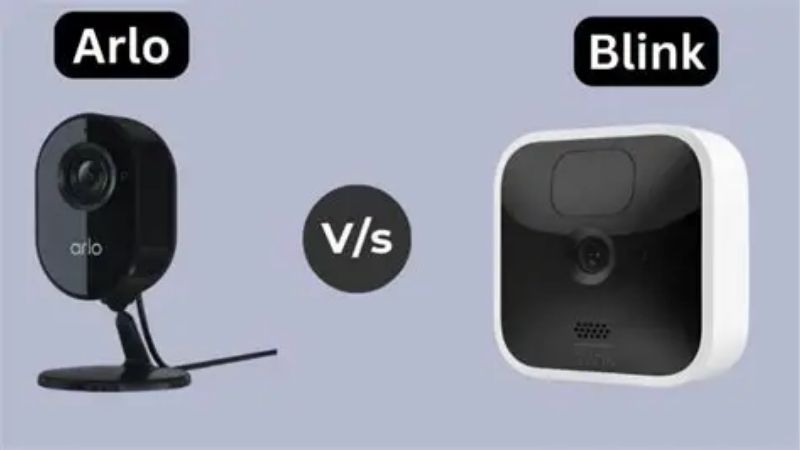
Arlo And Blink Decision Numbers
The deciding factors are resolution (Arlo offers higher, up to 2K or 4K on some models, versus Blink’s more modest sensors), battery life (Blink is known for long intervals on standard cells), storage (Blink’s local Sync Module versus Arlo’s cloud lean), and fees (Arlo’s features lean on a plan more than Blink’s).
Arlo’s strength is image quality, wide fields of view, and color night vision, while Blink’s is affordability and battery endurance with fee-free local storage options. Decide whether you prioritize premium detail and features, or low cost and long battery life with minimal fees.
Confirm how each handles storage offline, since Blink’s Sync Module stores clips locally while Arlo leans on the cloud, and both offer optional cloud plans. Weigh Arlo’s richer features against Blink’s value, since the plan requirement is where their long-term costs most diverge. Sorting resolution, battery, and fees first is what makes this choice clear and quick.
Placement, Space, And Fit
Both are wireless, so plan placement the same way: outdoor units about 8-10 ft (2.4-3 m) high angled down the path, and cameras where Wi-Fi is strong. Placement matters more than brand for covering entries and blind spots, so aim for the identification zone in the sharpest part of the frame.
Blink’s long battery life eases placement where recharging is inconvenient, while Arlo’s higher-resolution, feature-rich cameras may draw more power, shortening intervals in busy spots. For either, a solar panel or wiring the busiest camera keeps it from running flat during frequent motion.
Both are renter-friendly with no-drill mounts and travel easily. Confirm Wi-Fi reaches each spot, especially outdoors, and for Blink confirm the Sync Module placement for local storage, while for Arlo confirm your network handles several higher-resolution wireless feeds at once. Confirming Wi-Fi at each spot is what keeps several wireless feeds reliable in daily use.
Resolution, Battery, And Fees
Resolution favors Arlo, with sharper sensors and features like color night vision and wide views, useful for reading faces and covering large areas. Blink’s more modest resolution suits general coverage where fine detail is less critical, at a much lower price point.
Battery life favors Blink, which is known for long intervals on standard replaceable cells, easing maintenance in hard-to-reach spots. Arlo’s rechargeable batteries can drain faster with higher resolution and features, so busy locations may need more frequent charging or a solar panel. Planning power for busy spots up front avoids surprise downtime when motion is frequent.
Fees are where they most diverge: Arlo’s best features and recorded video lean on a subscription, while Blink offers fee-free local storage via a Sync Module with an optional cloud plan. If avoiding fees matters, Blink leads; if premium features do, Arlo’s plan may be worth it. Weighing the subscription heavily is wise, since fees are where these two most diverge.
Six Picks Across Both And Beyond
These six span both brands’ cameras and doorbells plus two alternatives, so this Arlo vs Blink guide points you to a fit rather than just a winner. Each entry names a real drawback, because the better brand depends on whether you value premium resolution and features or budget cost and battery life. This Arlo vs Blink guide points to a fit, not just a winner, across both brands and beyond.
| Pick | Strength | Storage | Best for |
|---|---|---|---|
| Arlo Pro/Ultra | Resolution + features | Cloud | Premium detail |
| Blink Outdoor | Battery + price | Local/cloud | Budget endurance |
| Arlo doorbell | Tall view | Cloud | Feature-rich doorbell |
| Blink doorbell/mini | Low cost | Local/cloud | Affordable coverage |
| Ring (alternative) | Alexa ecosystem | Cloud | Ecosystem fit |
| eufy (alternative) | Local, no fee | Local hub | Skip fees |
Arlo Pro Or Ultra For Premium Detail
Arlo’s Pro and Ultra cameras deliver higher resolution, wide fields of view, and color night vision, the premium end of this comparison for buyers who want sharp, feature-rich wireless coverage. The polished app and flexible placement round out the package.
The drawback is that recorded clips and the best features lean on a subscription, and higher resolution drains battery faster in busy spots. A large wireless fleet strains Wi-Fi, so confirm your network, and budget the plan into the total cost. Reserving these premium cameras for detail-critical spots is the smartest way to justify the cost.
In this Arlo vs Blink match-up, Arlo Pro or Ultra wins for premium detail. Reserve them for spots where image quality matters most, budget the subscription, and add a solar panel or wiring at busy entries to offset the faster battery drain. For premium detail, Arlo’s Pro and Ultra cameras are the heart of its case here.
Blink Outdoor For Budget Endurance
Blink Outdoor is known for long battery life on standard cells and a low price, with local storage via a Sync Module or an optional cloud plan. For affordable, low-maintenance coverage where you dislike frequent recharging, it is the heart of the Blink case.
The drawback is more modest resolution and detection than Arlo, so fine detail suffers, and some responsiveness depends on the Sync Module setup. It shines on endurance and cost, not image quality, so set expectations for a detail-critical entrance. For general coverage, though, that endurance-and-price mix is genuinely hard to beat.
In this comparison, Blink Outdoor wins for budget endurance and fee-free local storage. Use the Sync Module to skip fees, place cameras for general coverage, and pair with a sharper camera where identification, not battery life, is the priority. For low-maintenance coverage, Blink’s long battery life is its clearest advantage.
Arlo Doorbell For A Feature-Rich Doorbell
Arlo’s video doorbell offers a tall head-to-toe view, color night vision, and a siren, a feature-rich option for seeing visitors and packages clearly. For buyers who want a capable doorbell with strong detail, it is the premium doorbell in this guide.
The drawback is that recorded clips and the best features lean on a subscription, and battery models need recharging. Confirm Wi-Fi at the door, and budget the plan, since the doorbell shares Arlo’s fee-leaning model.
For a feature-rich doorbell, Arlo leads this match-up. Use the tall view for package visibility, budget the subscription, and confirm door Wi-Fi, choosing it over Blink when detail and features outweigh cost and battery simplicity. For a feature-rich doorbell, Arlo’s tall view and detail lead this match-up at the door.
Blink Doorbell Or Mini For Affordable Coverage
Blink’s doorbell and Mini cameras offer very affordable coverage with local storage options and long battery life on the doorbell, integrating with Alexa. For adding cheap eyes on a door or room, they are the budget-friendly end of this comparison.
The drawback is modest resolution and detection versus premium rivals, and the Mini is wired for indoor use. Confirm the Sync Module for local storage, and set expectations for basic rather than sharp footage at a detail-critical spot.
For affordable coverage, Blink’s doorbell and Mini win in this guide. Use local storage to skip fees, place them for general coverage, and pair with a sharper camera where identification matters, keeping the low cost as the main appeal. For cheap eyes on a door or room, Blink’s low cost is the main reason to choose it.
Ring For Ecosystem Fit (Alternative)
As an alternative, Ring offers tight Alexa integration and a broad camera and doorbell lineup, appealing if ecosystem cohesion matters more than the Arlo-Blink trade-off. Setup is easy and unified across Echo devices.
The drawback is that recorded video needs a plan, so fees apply, and data policies warrant review. Cloud reliance means confirming outage behavior, similar to Arlo’s fee-leaning model.
For ecosystem fit, Ring is a capable alternative in this comparison. Budget the plan, confirm Wi-Fi, and choose it when a unified Alexa ecosystem outweighs Blink’s low cost or Arlo’s premium detail. For ecosystem cohesion, Ring is the alternative when an Alexa home matters most.
eufy For Skipping Fees (Alternative)
As a fee-free alternative, eufy stores footage on a local hub with no required subscription and uses on-device detection, appealing if avoiding fees is your priority over the Arlo-Blink choice. Clips stay in your home rather than the cloud.
The drawback is hub dependence and some features that still cost more, plus battery recharging on wireless models. Confirm which functions stay free, and wire the busiest camera to avoid running flat. That fee-free local storage is its lasting advantage over both Arlo and Blink.
For skipping fees, eufy is the strongest alternative in this guide. Keep footage local, pair with a wired camera at busy entries, and choose it when fee-free local storage matters more than Arlo’s detail or Blink’s battery endurance. For skipping fees, eufy is the alternative that keeps footage local and plan-free.
See More:
- Best eyeshadow blender brush
- Best frozen foods for air fryer
- Best frozen food for air fryer
- Best way to reheat steak in air fryer
- Best air fryer recipes book
Which Brand Should You Pick?
The Arlo vs Blink answer depends on priorities: choose Arlo for premium resolution, wide views, and rich features, and Blink for long battery life, low cost, and fee-free local storage. Arlo leans on a subscription for its best features, while Blink minimizes fees, which is where their long-term costs most diverge. Those factors, not the brand name, should lead your final choice between the two.
If you want alternatives, Ring adds ecosystem cohesion and eufy adds fee-free local storage, each with trade-offs. Because buyers increasingly weigh subscription costs and battery upkeep against image quality, those factors should lead your choice, but the goal of this Arlo vs Blink comparison is the wireless brand whose detail, battery, and fees fit how you live. Weigh subscription cost and battery upkeep against image quality, then pick the brand that fits.