Key takeaways
What's inside
Well water filtration system shopping starts with a water test, since private wells are unregulated and carry sediment, iron, or bacteria, so this well water filtration system guide ranks picks by what they truly treat. Below are six options with honest drawbacks, weighed on stages, iron, and bacteria.
As an Amazon Associate we earn from qualifying purchases at no extra cost to you. Product prices and availability are accurate as of the date shown and are subject to change.




As an Amazon Associate we earn from qualifying purchases.
By Daniel Foster
Why Well Water Needs A Tailored System
Unlike city water, well water is not treated or monitored for you, so its issues, sediment, iron, manganese, sulfur odor, low pH, or bacteria, vary well by well. Sorting a water test, the stages needed, and iron or bacteria treatment first keeps a well water filtration system matched to your specific water rather than a generic package that misses your actual problem.
Well Filtration Decision Numbers
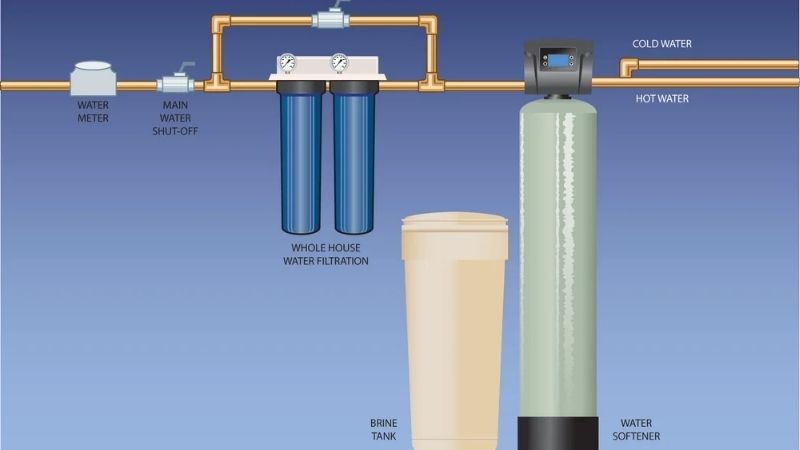
The deciding factors are your water test results, the stages required (a sediment pre-filter by micron rating, then media for iron and manganese, a carbon or oxidation stage for sulfur odor, a neutralizer for low pH, and UV for bacteria), the flow rate in gallons per minute (GPM / L per minute), and the maintenance each stage needs.
Then start from a certified lab test, since guessing wastes money on stages you do not need or leaves a real problem untreated. Iron and sulfur cause staining and rotten-egg odor, low pH corrodes plumbing, and bacteria require disinfection like UV, so the test dictates the system, not the other way around.
Confirm the flow rate suits your home so pressure holds when fixtures run, and match each stage’s maintenance rhythm, from periodic sediment cartridges to annual UV lamp changes. A whole-house well system is a set of stages tuned to your test, which is why no single off-the-shelf unit fits every well. The right well water filtration system is built from your test, stage by stage, not bought off a shelf.
Placement, Space, And Fit
A well system installs at the point of entry after the pressure tank, so plan space for multiple tanks or housings in the order the test dictates, plus a bypass and access to service each stage. Most installs need a plumber, and UV systems also need a nearby outlet and steady flow to disinfect properly.
Confirm the footprint fits, since a well setup can chain sediment, iron, and carbon stages plus a UV chamber, needing real clearance and a drain for any backwashing media. Freeze protection matters for equipment in an unheated well house or garage, and a drain nearby helps systems that flush.
For seasonal or vacation properties, plan for shutdown and sanitizing, and keep spare cartridges and a UV lamp on hand. Homeowners should route the stages in the correct order, since sediment must come before finer media and UV, and a bypass keeps water flowing during service or lamp changes. Ordering stages correctly, sediment before finer media and UV, is what keeps the whole chain working.
Stages, Iron, And Bacteria
Sediment pre-filtration by micron rating protects downstream media from grit, sand, and rust, and is the first stage in almost every well setup. Choosing the right micron balances protection against flow, since too fine a pre-filter clogs quickly on silty water and drops pressure over time.
Iron, manganese, and sulfur need targeted media or oxidation, since carbon alone does not fully handle heavy iron or rotten-egg odor. Staining fixtures and metallic taste point to iron and manganese, while a sulfur smell points to hydrogen sulfide, and each has its own media or air-injection approach.
Bacteria require disinfection, most commonly a UV system that inactivates microbes as water passes, provided the water is clear enough for UV to work. UV needs pre-filtration for clarity, steady flow, and an annual lamp change, and it does not remove chemicals, so it complements, rather than replaces, filtration stages.
Top Well Filtration Picks
These six span iron-focused systems, whole-house well filters, UV disinfection, and configurable multi-stage setups, so this well water filtration system guide can match stages to your test. Each entry names a real drawback, because the right system depends entirely on your water test, flow needs, and which well problems you actually have.
| Pick | Focus | Stages | Best for |
|---|---|---|---|
| SpringWell WS | Iron, sulfur | Air injection | Iron and odor |
| iSpring WGB well | Sediment + carbon | Cartridge stages | General well water |
| Home Master | Iron + multi-stage | Cartridge stages | Iron-heavy wells |
| Aquasana well | Carbon + UV option | Tank + UV | Chlorine-free homes |
| UV disinfection | Bacteria | UV chamber | Microbial safety |
| Configurable multi-stage | Tailored | Custom order | Complex water tests |
SpringWell WS For Iron And Odor
SpringWell’s WS well system uses air injection and media to oxidize and remove iron, manganese, and sulfur odor, targeting the staining and rotten-egg smell common on wells. For wells where iron and sulfur are the main complaints, it addresses them at the point of entry effectively.
The drawback is a higher upfront cost, an install most owners hand to a plumber, and media maintenance, plus it targets iron and sulfur rather than bacteria or chemicals. Confirm your test shows the levels it is designed for, since heavy contamination may need additional stages.
For iron and odor on a well, SpringWell WS is a strong pick in this guide. Test first to confirm iron, manganese, and sulfur levels, plan the install and drain for backwashing, and add UV or other stages if your test also shows bacteria or contaminants beyond its scope.
iSpring WGB Well For General Well Water
iSpring’s WGB well configurations use cartridge stages, sediment plus carbon and optional iron-reduction media, for general well water with moderate issues. For a lower-cost, serviceable approach to common well concerns, the staged cartridges are approachable and visible.
The drawback is more frequent cartridge changes than tank systems, flow that depends on sizing, and limits on heavy iron or bacteria, which need dedicated media or UV. Confirm your test matches what the cartridges address, since silty or iron-heavy water can overwhelm basic stages.
For general well water, iSpring WGB is a practical, budget-minded pick here. Size it for your flow, keep spare cartridges, and confirm your test, adding iron media or UV where the basic sediment-and-carbon stages fall short of what your well actually needs.
Home Master For Iron-Heavy Wells
Home Master’s whole-house well systems combine multi-gradient sediment, iron reduction, and carbon in a staged design aimed at iron-heavy wells. For water with noticeable iron staining and sediment, the targeted stages tackle common well problems in one system.
The drawback is cartridge maintenance, sizing that must match your iron and sediment load, and no bacteria treatment without adding UV. Confirm the iron levels your test shows fall within the system’s range, since very high iron may need oxidation or air injection instead.
For iron-heavy wells, Home Master is a strong pick in this guide. Verify your iron and sediment levels, plan the staged install, and keep replacement cartridges, adding UV for bacteria and stepping up to air-injection media if your iron load exceeds what cartridges handle.
Aquasana Well For Chlorine-Free Homes
Aquasana’s well-water systems pair carbon filtration with an optional UV stage, targeting taste, sediment, and microbial safety without adding chlorine. For homes that want clean-tasting well water and optional disinfection in one brand, it is a convenient combined approach.
The drawback is that carbon and UV do not remove heavy iron or sulfur, which need dedicated media, and UV requires clear water and lamp maintenance. Confirm your test, since a carbon-and-UV system suits wells without major iron, manganese, or sulfur problems.
For chlorine-free well treatment, Aquasana is a sensible pick here. Test first to rule out heavy iron and sulfur, add dedicated media if needed, and maintain the UV lamp annually, choosing this when taste and microbial safety, not mineral removal, are your main goals.
UV Disinfection For Microbial Safety
A dedicated UV system inactivates bacteria and other microbes as water passes through a UV chamber, essential where a test shows microbial contamination. For wells with bacteria concerns, UV is the standard disinfection approach and pairs with filtration for complete treatment.
The drawback is that UV needs clear, pre-filtered water to work, steady flow, electricity, and an annual lamp change, and it removes no chemicals or minerals. It is one stage in a system, so pair it with sediment and any iron or carbon stages your test requires.
For microbial safety, a UV stage is a key pick in this guide. Pre-filter for clarity, size the UV to your flow, change the lamp yearly, and combine it with the filtration stages your test dictates, treating UV as disinfection layered onto, not instead of, filtration. Because UV removes no chemicals, it always pairs with the filtration stages your test calls for.
Configurable Multi-Stage For Complex Water Tests
A configurable multi-stage system lets you chain sediment, iron, sulfur, pH-neutralizing, carbon, and UV stages in the order your test dictates, tailoring treatment to a complex well. For water with several problems at once, a custom sequence is the only way to address them all.
The drawback is complexity and cost, since more stages mean more decisions, install effort, and maintenance, and correct ordering is critical. Professional sizing and install are common, so budget for expertise as well as equipment when your test shows multiple issues.
For complex water tests, a configurable multi-stage system is the thorough pick here. Start from a full lab test, sequence stages correctly, plan a professional install, and stock the cartridges, media, and UV lamp each stage needs to keep a demanding well safe and clear.
See More:
- Best eyeshadow blender brush
- Best frozen foods for air fryer
- Best frozen food for air fryer
- Best way to reheat steak in air fryer
- Best air fryer recipes book
Choosing Your Well Water Filtration System
The best well water filtration system for you begins with a certified water test, then builds stages to match: iron-and-sulfur systems like SpringWell WS, staged cartridge units from iSpring or Home Master, carbon-and-UV from Aquasana, dedicated UV for bacteria, or a configurable sequence for complex water. Size the flow to your home.
Order the stages correctly, plan the install and drain, and keep spare cartridges and a UV lamp on hand. Because health agencies recommend testing private wells annually and after events like flooding, a test is the right first step every time, and the goal of this well water filtration system guide is a system whose stages truly match what your well contains.