Key takeaways
Countertop water purifier shopping is about clean water with no plumbing, ideal for renters and small kitchens, so this countertop water purifier guide ranks picks by type here today. Below are six options with honest drawbacks, weighed on filtration type, certification, capacity, and counter footprint.
Our top picks




As an Amazon Associate we earn from qualifying purchases at no extra cost to you.
As an Amazon Associate we earn from qualifying purchases.
By Daniel Foster
Why Countertop Makes Sense For Renters
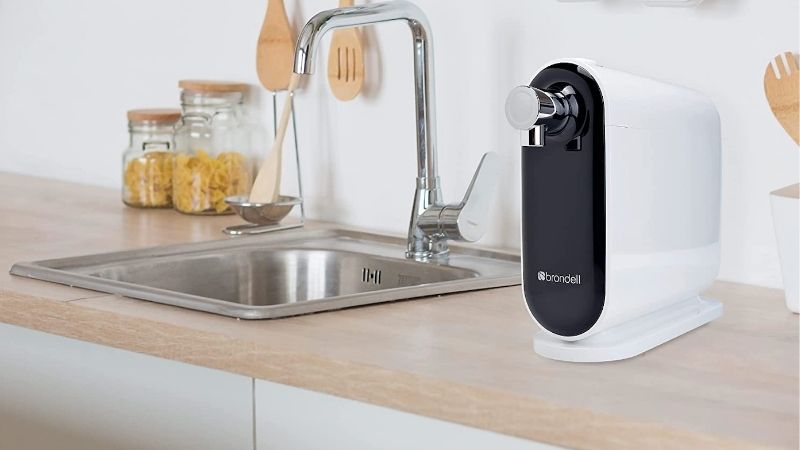
A countertop purifier needs no permanent plumbing, so it suits renters, dorms, and small kitchens where under-sink or whole-house systems are impractical. Sorting the type, certification, capacity, and footprint first keeps a countertop water purifier matched to your water and the counter space you can spare without a permanent install.
Countertop Purifier Decision Numbers
The deciding factors are the type (a faucet-diverter carbon unit, a countertop reverse osmosis system, or a gravity-fed filter), the NSF/ANSI certification (42 for taste and chlorine, 53 for lead and cysts, 58 for RO), the capacity between refills or cartridge changes, and the counter footprint.
Then decide how much removal you need, since gravity and diverter carbon units improve taste and reduce many contaminants while keeping it simple, whereas countertop RO removes far more but needs a drain cup or connection and electricity. Match the certification to your water test rather than a general purity claim.
Confirm the unit fits your counter and sink, since a diverter attaches to the faucet and RO or gravity units occupy standing space. Factor the refill or cartridge routine and cost, and note that gravity units filter slowly by design, storing water for later rather than on demand. The right countertop water purifier matches removal to your water test and fits the counter you can spare.
Placement, Space, And Fit
A countertop purifier sits on the counter, so measure the footprint and height, especially for tall gravity systems and countertop RO units that need clearance. A faucet-diverter model connects to most standard faucets, so confirm your faucet is compatible, since pull-down sprayers can complicate the connection.
Countertop RO needs a power outlet and a way to handle wastewater, whether a catch cup or a drain line, so plan for that near the sink. Gravity units need only counter space and periodic refilling, making them the most placement-flexible, though they take vertical room and filter slowly.
For renters, the appeal is zero permanent changes, so choose a unit that connects and disconnects easily and moves with you. Keep the purifier where refilling or accessing cartridges is convenient, and confirm the diverter or unit does not interfere with normal faucet and sink use. Confirming faucet compatibility upfront avoids the common snag of a diverter that will not fit a sprayer.
Type, Capacity, And Footprint
Faucet-diverter carbon units are compact and inexpensive, improving taste and reducing chlorine and select contaminants while keeping flow simple, though they occupy a spot by the faucet. They suit renters wanting easy, low-cost filtration without gravity units’ slow speed or RO’s complexity.
Countertop RO removes the widest range of contaminants without under-sink plumbing, but needs power, handles wastewater, and takes more space. Gravity systems filter large volumes through candles or elements with no power or plumbing, storing filtered water, ideal for reliability but slower and taller.
Capacity and footprint trade off: small diverter filters need frequent cartridge changes, gravity systems hold a large reserve but stand tall, and RO balances on-demand purity with a bigger appliance. Match the type to your water needs, counter space, and tolerance for refilling or waiting. Weighing on-demand flow against a stored reserve is the real trade among these three types.
Top Countertop Purifier Picks
These six span countertop RO units, gravity systems, and faucet-diverter carbon filters, so this countertop water purifier guide can match a unit to your water and space. Each entry names a real drawback, because the right purifier depends on how much removal you need and whether you prefer on-demand flow or a stored reserve. Reading each drawback closely helps you weigh removal, footprint, and refilling together.
| Pick | Type | Notable | Best for |
|---|---|---|---|
| AquaTru | Countertop RO | No-plumb RO | Fuller removal |
| Big Berkey | Gravity | Large reserve | Off-grid reliability |
| Waterdrop countertop | Carbon/RO | Compact | Simple setup |
| Brita countertop | Carbon diverter | Budget taste | Chlorine and taste |
| APEX countertop | Carbon diverter | Alkaline option | Mineral taste |
| Travel Berkey | Gravity | Smaller footprint | Small counters |
AquaTru For Fuller Removal
AquaTru is a countertop reverse osmosis purifier that removes a broad contaminant range with no under-sink plumbing, using fill-and-dispense tanks and certified reduction claims. For renters who want RO-level removal without a permanent install, it is a standout option.
The drawback is a larger footprint than a pitcher or diverter, the need for power, and refilling the source tank, plus proprietary filters. Confirm the specific certifications for your concerns, and factor the ongoing filter cost, since RO cartridges are pricier than simple carbon.
For no-plumbing RO removal, AquaTru leads this guide. Confirm counter space for the unit, verify the certifications for your contaminants, and budget for proprietary filters, choosing it when you want fuller removal than carbon provides but cannot install an under-sink system. For renters, RO-level removal with no plumbing is the standout benefit worth the larger footprint.
Big Berkey For Off-Grid Reliability
The Big Berkey gravity system filters large volumes through replaceable elements with no power or plumbing, storing filtered water for on-demand pouring. For reliability during outages, off-grid use, or simple everyday filtration, the powerless gravity design is a durable, flexible choice.
The drawback is a tall footprint, slow gravity filtration, and manufacturer claims that some buyers want independently verified, so confirm the certification details for your concerns. Refilling the top chamber and periodic element care are the main routines.
For off-grid reliability, Big Berkey is a strong pick in this guide. Confirm vertical counter space, verify the reduction claims for your contaminants, and keep the reserve topped up, choosing it when powerless, high-capacity filtration matters more than on-demand speed or a compact footprint. For outages and off-grid use, powerless gravity filtration is uniquely dependable if slow.
Waterdrop Countertop For Simple Setup
Waterdrop’s countertop units span compact carbon and RO designs with quick setup and, on some models, filter-life indicators, aimed at easy no-plumbing use. For buyers who want straightforward installation and tidy design, it lowers the effort of countertop filtration.
The drawback is that capability and certification vary between the carbon and RO models, so confirm exactly which you are buying and its ratings. RO versions need power and handle wastewater, while carbon versions are simpler but remove less.
For simple countertop setup, Waterdrop is a flexible pick here. Choose carbon or RO based on your water test, verify certifications for your concerns, and confirm counter space and any power or drain needs, treating the easy setup as its main day-to-day appeal. Deciding between carbon and RO first settles which Waterdrop model actually fits your water.
Brita Countertop For Chlorine And Taste
A Brita or similar faucet-diverter carbon unit improves taste and reduces chlorine and select contaminants at a low price, connecting to a standard faucet. For renters wanting cheap, simple taste improvement without a pitcher’s refilling, it is an accessible everyday option.
The drawback is limited contaminant removal compared with RO, cartridge changes on a regular schedule, and possible incompatibility with pull-down faucets. Confirm the certifications for what you actually want reduced, since taste-focused units may not be certified for lead or other contaminants.
For chlorine and taste on a budget, a Brita-style diverter fits this guide. Confirm faucet compatibility, verify the certifications for your concerns, and track cartridge changes, choosing it when simple, low-cost taste improvement matters more than the fuller removal of RO or gravity systems. For simple, cheap taste improvement, a diverter is the least fussy option on the counter.
APEX Countertop For Mineral Taste
APEX countertop diverter filters add alkalizing or mineral media to a carbon stage, improving taste and adjusting pH while reducing chlorine and select contaminants. For buyers who prefer mineral-rich taste, the added stage is a distinguishing feature at a modest price.
The drawback is that mineral addition does not equal RO-level removal, and cartridge changes and faucet compatibility apply as with any diverter. Confirm the certifications for your concerns, since alkaline taste is separate from certified contaminant reduction.
For mineral taste from a countertop unit, APEX is a nice pick here. Confirm faucet compatibility, verify certifications for your water test, and track cartridge changes, choosing it when improved taste and pH matter alongside basic carbon reduction rather than fuller RO removal.
Travel Berkey For Small Counters
The Travel Berkey brings the same gravity filtration in a smaller footprint, suiting compact counters, small households, or travel while still storing filtered water without power. For gravity reliability where space is tight, the smaller size is the key advantage.
The drawback is a smaller reserve than the Big Berkey, the same slow gravity speed, and reduction claims some buyers want independently verified. Refilling and element care remain the main routines, and it still stands taller than a pitcher.
For gravity filtration on small counters, Travel Berkey fits this guide well. Confirm the footprint suits your space, verify the reduction claims for your contaminants, and keep it refilled, choosing it when powerless, portable filtration matters more than a large stored reserve or on-demand speed. For tight counters, the smaller reserve is a fair trade for a footprint that actually fits.
See More:
- Best eyeshadow blender brush
- Best frozen foods for air fryer
- Best frozen food for air fryer
- Best way to reheat steak in air fryer
- Best air fryer recipes book
Choosing Your Countertop Water Purifier
The best countertop water purifier for you depends on removal and space: countertop RO like AquaTru for fuller removal with no plumbing, gravity systems like Big or Travel Berkey for powerless reliability, and faucet-diverter carbon units from Brita or APEX for simple taste improvement. Match certification to your water test. Matching type and footprint to your counter is what makes a no-plumbing purifier practical.
Measure your counter, confirm faucet or power compatibility, and factor the refill or cartridge routine and cost. Because renters and small-kitchen dwellers increasingly want filtration without permanent changes, the category keeps growing, but the goal of this countertop water purifier guide is a unit whose type, certification, and footprint fit your water and your space. For renters especially, the appeal is real filtration with zero permanent changes to the home. Test first, pick the type, and a no-plumbing purifier fits neatly into a rented kitchen.