Key takeaways
What's inside
Home water quality improvement is less about buying the priciest system and more about solving the right problem in the right order. This practical guide shows how to test your water, choose the correct point of treatment, and apply certified filters and simple habits so every tap in the house delivers cleaner, better-tasting water you trust.
As an Amazon Associate we earn from qualifying purchases.
By Daniel Foster
Recommended Systems by Goal
Effective treatment means buying for a goal, not a brand. These five systems each own a job, from taste to hardness, so you can pair your test result with the right tool. Treat prices as tiers, since figures change at the time of purchase.
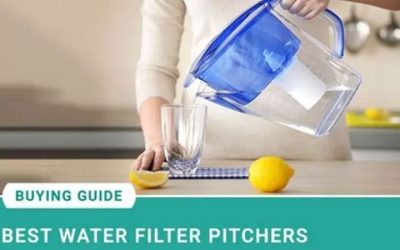
Brita Elite Pitcher — Better Taste, Fast
For a chlorine-taste complaint, the Brita Elite pitcher is the cheapest, fastest fix, certified under NSF/ANSI 42 with added lead reduction on the Elite cartridge. It needs only fridge space and no install, making it the obvious first step for renters and cautious first-timers.
Capacity is modest and the cartridge is a recurring cost, so a big household refills and replaces often. It targets a short contaminant list, so treat it as a taste-and-lead tool rather than a broad answer for a troubled well or aging plumbing.
Waterdrop G3 Under-Sink RO — Lead and PFAS
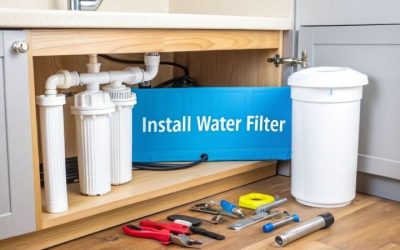
When the goal is reducing lead or PFAS at the drinking tap, the Waterdrop G3 tankless RO covers the broadest range under NSF/ANSI 58 on certified models. It is the centerpiece of most serious home water quality improvement projects focused on what the family actually drinks.
It needs cabinet clearance, an outlet, and sends water to drain, so it is a real install. The staggered filters are a recurring cost, so budget a year ahead, but for health contaminants the reduction justifies the commitment for most households.
Whirlpool WHES Water Softener — Hard Water Scale
Hardness scales heaters and spots dishes, and only a softener fixes it, using ion exchange at the main line. A Whirlpool WHES-style softener protects appliances house-wide, which is an equipment-longevity goal that runs in parallel with, not instead of, your drinking-water plan.
Salt-based softeners need salt refills and regenerate on a cycle, adding upkeep and a small ongoing cost. They improve nothing you drink for health, so keep hardness in the appliance-protection column of your home water quality improvement rather than the drinking-water one.
Aquasana Rhino Whole-House — Sediment and Chlorine
For house-wide sediment and chlorine that you also shower and launder in, the Aquasana Rhino treats every tap at the main line. It suits homes where the problem is not confined to the kitchen, covering bathing and washing as well as drinking.
It needs utility-room space and usually a plumber, so installation is a project, not a plug-in. It is not an RO substitute for lead or PFAS, so many homes pair it with a small under-sink unit for the water they truly drink.
PUR Plus Faucet Mount — Renter-Friendly Pick
Renters who cannot install anything permanent get real point-of-use protection from the PUR Plus faucet mount, certified to reduce lead and chlorine while keeping flow strong. It threads onto a standard tap and comes off just as easily when it is time to move.
Not all faucets accept it, so confirm compatibility, and the small cartridge needs frequent changes under heavy use. The switch valve adds a moving part that can wear, a fair trade for lead reduction with zero drilling in a rental kitchen.
Where to Start Improving Water Quality
Effective home water quality improvement begins with a diagnosis, not a purchase. Test first so you know whether your priority is taste, lead, hardness, or a well contaminant, then decide whether you need whole-home treatment or a single point-of-use filter at the kitchen sink.
Test Before You Treat
A home test kit or a certified mail-in lab report turns vague worry into a short target list. City users can also read their utility’s annual report for free, while well owners must test independently since no one monitors their water for them between the aquifer and the glass.
Testing decides everything downstream, because a filter aimed at the wrong contaminant wastes money and leaves the real issue untouched. Spending a little on an accurate test is the single highest-value step in home water quality improvement, ahead of any brand comparison or feature checklist you might be tempted to start with.
Point-of-Use vs Whole-House Treatment
Point-of-use systems treat one tap, usually the kitchen, and suit contaminants you drink like lead or PFAS. They install fast, cost less, and fit renters, making them the default first move for most households improving their drinking water rather than their whole plumbing system.
Whole-house systems treat every tap and shower, which matters for sediment, hardness, or chlorine you also wash in. They mount at the main line, need utility-room space, and often require a plumber, so they are the choice when the problem is house-wide rather than confined to what you drink.
Space and Fit: Planning the Installation
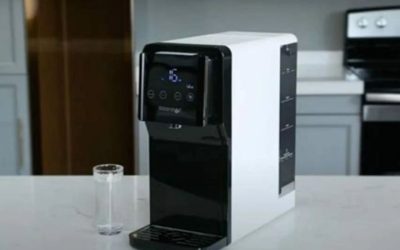
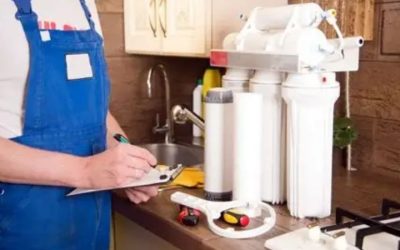
Measure before you buy, because the best system that does not fit is a return waiting to happen. An under-sink or RO unit needs cabinet clearance and a tank; a whole-house filter needs room at the incoming line; a countertop unit claims surface beside the faucet.
Renters and small kitchens should favor no-drill, no-plumbing options such as pitchers, faucet-mount filters, and countertop systems that move house with them. Confirming the actual clearance, counter depth, or utility space first is a quiet but essential part of any successful home water quality improvement plan.
| Goal | Best Placement | Typical System |
|---|---|---|
| Better drinking taste | Kitchen tap | Carbon pitcher or faucet |
| Lead or PFAS reduction | Kitchen tap | Under-sink RO (NSF 53/58) |
| Hard water scale | Main line | Water softener |
| Sediment and chlorine | Main line | Whole-house filter |
Matching Systems to Common Problems
With a test result in hand, home water quality improvement becomes a matching exercise. Each common issue has a proven technology and a matching NSF certification, so this section lines up the problem, the fix, and the standard you should look for on the box.
Taste, Odor, and Chlorine
If your only complaint is the smell and flavor of city water, a carbon filter certified to NSF/ANSI 42 solves it cheaply. A pitcher or faucet-mount unit is enough, and it is the fastest, lowest-cost win available for anyone starting out on cleaner water.
Keep the running cost in view, since cartridges are a recurring expense that behaves like a subscription. Price a full year of replacements and confirm they are easy to buy, because a cheap filter with scarce or proprietary cartridges quietly costs more than it first appears to over time.
Lead, PFAS, and Health Contaminants
For contaminants you must not drink, step up to a filter certified for that specific substance under Standard 53 or a reverse-osmosis system under Standard 58. Reverse osmosis reduces the broadest range, including lead and PFAS, which keeps it central to serious drinking-water treatment at home.
According to the EPA in 2026, PFOA and PFOS limits remain at 4 parts per trillion while some compliance timelines were proposed for extension. State what your system does factually, verify the certification covers your contaminant, and recheck the rules over time, since this area of regulation keeps evolving.
Hardness and Scale
Hard water is a nuisance, not a health hazard, but it scales water heaters, spots dishes, and shortens appliance life. It is handled by a water softener using ion exchange at the main line, not by a drinking-water filter, so it belongs in the whole-house side of your plan.
Salt-based softeners regenerate on a cycle and need salt refills, while salt-free conditioners change scale behavior without removing minerals. Neither improves what you drink for health, so treat hardness as an appliance-protection project running in parallel with, not instead of, your drinking-water plan.
Frequently Asked Questions
A few questions come up whenever people plan an upgrade to their tap water. These short answers cover the practical trade-offs that shape a smart decision before you commit to a filter or a whole-house system for your home.
Should I choose point-of-use or whole-house treatment?
Point-of-use treats one tap and suits contaminants you drink, like lead or PFAS, installing fast and cheaply. Whole-house treats every tap and shower, which matters for sediment, hardness, or chlorine you also wash in, so let your test result decide which scope the problem really needs.
Will a water filter fix hard water?
A standard drinking-water filter does not soften hard water; that needs a water softener using ion exchange at the main line. Hardness is a nuisance rather than a health hazard, so treat it as an appliance-protection project separate from the water you filter for drinking.
How often should I retest my water?
Retest at least once a year, and again after any local advisory, a plumbing change, or a noticeable shift in taste or color. Water quality is not static, so periodic testing keeps your filter matched to current conditions rather than to a report that may now be out of date.
See More:
- Best eyeshadow blender brush
- Best frozen foods for air fryer
- Best frozen food for air fryer
- Best way to reheat steak in air fryer
- Best air fryer recipes book
Sustaining Home Water Quality Improvement
Lasting home water quality improvement is a routine, not a one-time install. Replace cartridges on schedule rather than by taste, since a spent filter can release trapped contaminants back into your water and undo your work. Clean pitchers and reservoirs regularly, flush a tap briefly after long stagnation to clear standing water from old pipes, and retest annually or after any local advisory. Measure your space before every purchase, price a full year of filters, and keep contaminant limits current against the EPA rather than an outdated source. This guide is practical, not medical advice, but with the right diagnosis and steady upkeep, better water at every tap is a genuinely achievable goal.