Key takeaways
- Alerts go directly to designated family contacts with no intermediary queue
- Waterproof design means it survives showers without being removed
- Rating of 3.8/5 suggests some users experienced connectivity gaps
When a parent or partner starts living alone, the worry shifts from daily check-ins to the terrifying silence between them. A fall at 3 a.m. in a bathroom is a very different problem when the nearest phone is across the apartment. Traditional medical alert pendants were supposed to solve this, but in practice many seniors leave them on a kitchen counter after showering. A wearable on the wrist closes that gap, and a smartwatch with genuine fall detection and cellular connectivity means help can arrive even without a smartphone within reach.
What separates a best medical alert smartwatch with fall detection from a useless gadget comes down to three things: whether the watch can reach emergency contacts independently, how the alert is routed and who actually responds, and whether the battery lasts long enough to survive the weekend when someone forgets to charge it. Many products in this space are rebranded fitness trackers with an SOS button bolted on. We compared for the real difference between marketing and function.
Our top picks




As an Amazon Associate we earn from qualifying purchases at no extra cost to you.
Quick Picks
| Product | Best for | Price |
|---|---|---|
| Seculife Medical Alert Smartband | Direct-to-family alerts | $89 |
| COCO BT2-X (Silver) | Medication reminders | $119 |
| COCO BT2-X (Black) | SpO2 tracking | $119 |
| Seculife Cellular Smartwatch | Blood pressure monitoring | $89 |
| Fall Detection Smart Watch | Lowest entry price | under $70 |
| Fall Detection GPS Tracker | No monthly fee | under $80 |
| SkyAngelSPORT Mobile | 911 direct calling | under $200 |
| SecuLife Pendant | Neck-wear preference | $89 |
How We Picked
We evaluated every device on four criteria: independent connectivity (does it need a paired phone to send an alert?), alert routing architecture (direct to family versus a call center adds a decision layer that costs minutes), fall detection reliability (accelerometer quality and algorithm calibration matter more than feature lists), and total cost of ownership including subscriptions. Battery life and waterproofing served as secondary filters. Products that only worked as Bluetooth accessories to a smartphone scored lower than those with cellular or Wi-Fi independence.
The 8 Best Medical Alert Smartwatches With Fall Detection in 2026
Seculife Medical Alert Smartband for Seniors
This band targets a specific buyer: adult children who want their own phone to ring when Mom falls, not a call center that then calls Mom. That routing difference is the single most important architectural choice in this category, and Seculife gets it right. The 2-way calling lets the wearer speak directly to a family member after an SOS, which means the response is personal and immediate. GPS tracking rounds out the package.
- Alerts go directly to designated family contacts with no intermediary queue
- Waterproof design means it survives showers without being removed
- Rating of 3.8/5 suggests some users experienced connectivity gaps
Skip this if your family member is uncomfortable being reached directly or if no one in your group can reliably answer 24/7.
COCO Emergency Alert Smartwatch BT2-X Silver
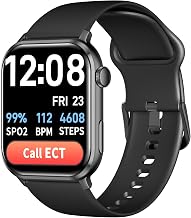
The COCO BT2-X is for someone who needs more than just emergency response. Medication reminders and Bluetooth calling make it a daily-use device, which matters because a watch that only serves emergencies gets left in a drawer. The SpO2 sensor provides oxygen saturation readings that can flag respiratory issues before they become crises. Silver finish is a cosmetic choice, but it reads as less “medical” on the wrist.
- Medication reminders increase daily wear compliance
- SpO2 monitoring adds a health dimension beyond fall detection
- Bluetooth calling requires a nearby paired phone for full function
Skip this if the wearer does not consistently carry a smartphone, since Bluetooth-dependent calling limits usefulness during a fall away from the phone.
COCO Emergency Alert Smartwatch BT2-X Black
Functionally identical to the silver version, the black COCO BT2-X deserves a mention for a practical reason: color choice affects compliance. Seniors who already own a black watch or prefer neutral tones are more likely to wear it daily. The emergency alert smartwatch features remain the same: fall detection, SOS calling, heart rate and SpO2 monitoring, caregiver app integration, and medication reminders. The caregiver app is worth highlighting here, as it lets family members check on readings remotely without needing the wearer to operate anything.
- Caregiver app provides remote health data visibility for family members
- Full sensor suite including heart rate and SpO2 in one device
- Same Bluetooth dependency means it is not a standalone communicator
Skip this if your priority is cellular independence; the phone-pairing requirement is a hard limitation for unsupervised living.
Seculife Cellular Medical Alert Smartwatch
Seculife’s cellular variant adds blood pressure monitoring to the mix, which is meaningful for hypertensive seniors who struggle with cuff compliance. The IP67 rating handles splashes and brief submersion but not prolonged water exposure, so showering with it is fine but swimming is not. Two-way calling and SOS button operation stay consistent with the broader Seculife line.
- Blood pressure readings replace a separate cuff device for many users
- Cellular connectivity enables use without a paired smartphone nearby
- IP67 waterproofing is adequate but less robust than full submersion ratings
Skip this if the wearer swims regularly or if blood pressure accuracy is critical for medication decisions, since wrist-based readings lag upper-arm cuff accuracy.
Fall Detection Smart Watch for Seniors
This is the lowest-priced option in our roundup for under $70, and it works with both Android and iOS. For a buyer testing whether a fall detection watch fits into a parent’s daily routine before committing more money, this serves as a low-risk entry point. It covers heart rate, sleep tracking, and step counting alongside fall alerts and SOS calling.
- Most affordable entry point in the category
- Broad phone compatibility across Android and iOS ecosystems
- 3.3/5 rating indicates inconsistent real-world reliability
Skip this if reliability is non-negotiable or if the wearer lives in an area with unreliable cellular coverage, since budget devices often cut corners on antenna quality.
Fall Detection Watch for Seniors with GPS Tracker
Real-time location tracking and two-way voice calling make this a solid mid-tier option. The no-monthly-fee promise is attractive on paper, but the 2.7/5 rating is a serious warning sign. That score suggests widespread user frustration, likely around connection stability or alert delivery reliability. The heart rate monitor and step counter are standard here.
- No recurring subscription reduces long-term cost pressure
- Real-time GPS tracking lets family check location on demand
- Lowest rating in this roundup, signaling real usability problems
Skip this unless budget is the absolute primary constraint and you can tolerate the possibility of missed alerts, which is a hard trade-off to accept in a safety device.
SkyAngelSPORT Mobile Medical Alert Watch
The SkyAngelSPORT is the premium option here, and it justifies the price tag with one critical feature: direct 911 calling without a subscription or call center intermediary. For someone who lives alone and needs professional emergency dispatch, this removes the dependency on family availability. The waterproof design supports calling and speaking with 911 even in wet conditions. It is upgradeable, meaning the cellular module can evolve without replacing the whole device.
- Direct 911 connection eliminates response-time delays from call centers or family notification
- Upgradeable hardware extends useful life beyond a single purchase cycle
- Highest price for under $200 may strain fixed-income buyers
Skip this if the wearer’s family prefers to be the first point of contact and can respond faster than local emergency services.
SecuLife Medical Alert Pendant for Seniors
This is technically a pendant rather than a smartwatch, but it earns its place here because wrist-based fall detection fails in a specific scenario: a wearer who removes the watch for comfort or who has arthritis that makes clasping a band painful. Neck-wear is always present, and the same direct-to-family alert routing that makes the Seculife Smartband valuable applies here. GPS and 2-way calling are included, with no contract required.
- Pendant form factor eliminates wrist-comfort and dexterity issues entirely
- No contract and direct-to-family routing offer maximum flexibility
- Not a watch, so users wanting time display or fitness metrics will be disappointed
Skip this if the wearer prefers a watch or wants step tracking and heart rate visibility on their wrist throughout the day.
Buying Guide
Connectivity: Cellular vs. Bluetooth
A Bluetooth medical alert smartwatch only sends an alert if the paired smartphone is within range and active. During a fall in another room, that dependency breaks the entire system. Cellular models operate independently on the network, which means the SOS button works whether the phone is charging in the kitchen or left at a neighbor’s house. If the wearer lives alone, cellular is not optional.
Alert Routing: Family, Call Center, or 911
Three routing models exist in 2026. Direct-to-family alerts are fastest when trusted contacts always answer their phones, but they fail at 2 a.m. when everyone is asleep. Call center routing adds a professional monitoring layer, which helps but introduces hold times and requires someone to eventually reach a live person. Direct 911 calling skips intermediaries entirely but may overwhelm local dispatch for non-emergency SOS presses. Choose based on who can realistically respond fastest in your situation.
Battery Life and Charging Routine
A medical alert smartwatch only protects the wearer while it is powered. If the battery requires daily charging, compliance drops within two weeks for most seniors. Look for devices rated for multi-day use with a simple magnetic charger that does not require aligning tiny pins. Waterproof charging docks reduce fumbling further. Ask the wearer to test the charging routine for one week before committing to daily use.
Our Verdict
Our top pick is the SkyAngelSPORT Mobile for anyone whose priority is a guaranteed, professional emergency response with no subscription and no reliance on family availability. Its direct 911 capability addresses the single hardest failure mode in this category. For budget-conscious buyers who still need cellular independence, the Seculife Medical Alert Smartband at $89 offers the most practical feature set with its direct-to-family routing. If the wearer simply cannot tolerate a wrist device due to arthritis or comfort, the SecuLife Pendant wins in its form factor despite not being a watch at all.
FAQ
Do medical alert smartwatches require a monthly subscription?
Not all of them. The SkyAngelSPORT and the Fall Detection GPS Tracker advertise no monthly fees, which removes recurring cost pressure. Cellular models that use their own SIM or eSIM connection may require a data or voice plan depending on the network arrangement, so verify the full cost structure before purchasing.
How accurate is fall detection on these devices?
Fall detection relies on accelerometer data combined with algorithmic patterns, and accuracy varies significantly by build quality. Even top-rated devices produce occasional false positives and can miss slow-collapse falls where the body drops without a sudden impact. Most systems allow the wearer to cancel a false alert within a short window before dispatch occurs.
Can a fall detection smartwatch work without a smartphone?
Only cellular-connected models function independently. Bluetooth-dependent watches like the COCO BT2-X require a paired smartphone within range to route calls and alerts. For seniors who do not carry phones consistently, a cellular model or the SkyAngelSPORT is the only option that delivers on the safety promise.
Is a pendant or a smartwatch better for fall detection?
Smartwatches detect falls more reliably from the wrist because the impact signature is clearer during a forward or sideways tumble. Pendants compensate for compliance issues: people tend to remove wrist devices more frequently than neck-worn ones. The best answer depends on whether the specific wearer keeps a watch on more reliably than a necklace.