
Key takeaways
What's inside
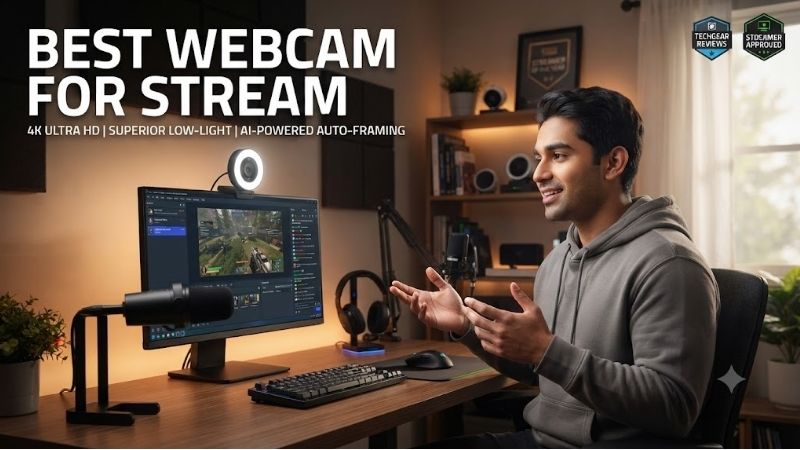
Best webcam for stream setups deliver sharp picture clarity and fluid frame rates for broadcast channels. Modern USB cameras empower creators to engage viewers without investing in complex DSLR setups. Upgrading your optic hardware transforms raw video feeds into polished broadcasts effortlessly every day.
As an Amazon Associate we earn from qualifying purchases.


By: Daniel Foster
🛒 Best Price Today on Amazon
Prime members get fast, free shipping on everything above, plus member-only deals. New members get a 30-day free trial — cancel anytime.
How to Choose the Right best webcam for stream
Selecting a high-performance streaming camera requires analyzing sensor resolution, lens aperture, and frame rate responsiveness. Matching your studio environment to appropriate desktop optics prevents blurry motion artifacts during intense gaming sessions. Thorough feature evaluation guarantees stable video output.
Resolution and Frame Rate Performance
Opting for high-density 1080p 60fps video capture ensures fluid motion rendition during fast-paced live gaming broadcasts. High frame rates eliminate distracting motion blur, keeping your facecam reactions sharp during rapid movements. Investing in responsive frame rates improves overall channel production standards.
For creators aiming for ultra-crisp detail, selecting hardware capable of native 4K video capture delivers exceptional pixel clarity. Premium resolutions allow flexible digital cropping and zooming without sacrificing underlying picture sharpness during broadcasts. Clear video rendering keeps viewers engaged longer.
Sensor Size and Low Light Performance
A camera with superior low light performance maintains clean image output even inside dimly lit gaming rooms at night. Larger optical sensors gather more light naturally, suppressing digital noise and grainy artifacts across dark shadow areas. Choosing quality sensors ensures clear visibility in any lighting.
Pairing large sensor dimensions with wide lens apertures allows more natural illumination to strike the internal hardware surface directly. This hardware capability prevents aggressive exposure compensation, keeping color reproduction accurate without artificial brightness boosting. Quality optics preserve natural skin tones.
Autofocus Speed and Field of View
Rapid autofocus speed ensures your video feed remains razor sharp when showing products or moving closer to the lens. Intelligent tracking systems adjust focus points instantly, preventing frustrating blur cycles during live broadcasts. Fast optical adjustments maintain professional visual presentation continuously.
Configurable field of view settings let streamers customize background coverage according to room size and privacy needs. Wide diagonal angles capture full background setups, while narrower angles frame your face closely without clutter. Adjustable framing gives full control over visual composition.
Software Customization and Signal Processing
Delivering an uncompressed video feed directly to encoding software preserves maximum graphical detail without heavy compression artifacts. Raw video transmission provides cleaner color gradients for live stream overlays and green screen keying. Direct video signals improve chroma key accuracy significantly.
Accessing companion customizable camera software enables fine control over ISO, shutter speed, color temperature, and contrast controls. Dedicated utility applications store visual profiles directly on internal device memory for quick recall across different apps. Fine tuning optics elevates final broadcast quality.
Top Picks for the best webcam for stream
Selecting quality optical hardware involves evaluating sensor size, software control, and physical mounting versatility across leading brands. The verified models reviewed below deliver exceptional visual consistency for daily live broadcasts. Explore this detailed guide to locate the ideal choice for your stream.
| Model | Resolution | Frame Rate | Focus Type | Key Standout Feature |
|---|---|---|---|---|
| Elgato Facecam MK.2 | 1080p | 60 FPS | Fixed/Auto hybrid | Uncompressed video with Camera Hub control |
| Logitech MX Brio | 4K | 60 FPS (1080p) | Advanced Autofocus | Sony STARVIS sensor with AI image enhancement |
| Razer Kiyo Pro Ultra | 4K | 30 FPS | AI Autofocus | Massive 1/1.2″ sensor for DSLR-like blur |
| Logitech Brio 500 | 1080p | 30 FPS | Auto Focus | Built-in physical shutter with Auto-framing |
| Insta360 Link 2C | 4K | 30 FPS | Phase Detection | Smart AI tracking with gesture command control |
| Logitech C920x HD Pro | 1080p | 30 FPS | Auto Focus | Reliable budget performance with dual mics |
Elgato Facecam MK.2
The Elgato Facecam MK.2 suits dedicated Twitch and YouTube creators needing raw uncompressed output with HDR image quality. Its upgraded sensor delivers vibrant color accuracy and sharp focal clarity across dynamic studio lighting environments. Advanced Camera Hub software allows complete control over manual exposure settings.
However, the device lacks a built-in microphone, requiring creators to utilize a standalone USB or XLR desktop mic setup. The plastic mounting bracket also feels somewhat lightweight compared to heavy-duty metal monitor clips. Still, its uncompressed video processing makes it an exceptional best webcam for stream choice.
Logitech MX Brio
The Logitech MX Brio caters to professional streamers and remote broadcasters seeking high-definition 4K visuals and sleek styling. Powered by a Sony STARVIS sensor, it captures remarkable facial detail while balancing bright highlights and dark background shadows. Dual beamforming microphones capture crisp voice audio.
On the downside, the physical desk mode feature can feel slightly finicky during quick tilt adjustments on thick monitors. The companion software also requires significant system memory when running alongside heavy gaming titles. Nevertheless, its premium optics deliver top-tier picture clarity for live broadcasts.
Razer Kiyo Pro Ultra
The Razer Kiyo Pro Ultra targets serious content creators desiring DSLR-like background blur without purchasing dedicated camera lenses. Featuring a massive optical sensor and wide lens aperture, it gathers abundant light for flawless shadow detail. The integrated privacy shutter cover provides instant physical security.
Conversely, the physical camera housing is noticeably bulky, consuming substantial space above smaller desktop monitors. The premium retail price point also represents a major financial commitment for novice channel hosts. Regardless, its massive sensor size offers unmatched depth of field for broadcast feeds.
Logitech Brio 500
The Logitech Brio 500 serves active content creators looking for an agile 1080p facecam with automated visual tracking capabilities. Auto-framing technology centers your position smoothly when shifting inside your broadcast chair during casual gaming streams. Its magnetic mounting base enables effortless angle tweaks.
Downsides include a maximum resolution cap of 1080p at thirty frames per second, lacking ultra-smooth high-frame modes. The plastic outer casing can also show minor smudges after frequent physical handling. Still, its user-friendly features make it a reliable best webcam for stream pick for beginner hosts.
Insta360 Link 2C
The Insta360 Link 2C fits tech-savvy presenters wanting intelligent AI tracking and gesture recognition in a compact physical body. Its sharp 4K sensor captures detailed facial expressions while maintaining balanced contrast under fluctuating desk lights. Intuitive hand gestures allow seamless zooming during broadcasts.
On the negative side, gesture controls can occasionally trigger accidentally if you make expressive hand movements while talking. The internal microphone also lacks deep noise suppression found on dedicated desktop audio hardware. Nonetheless, its smart tracking features offer fantastic utility for active streams.
Logitech C920x HD Pro
The Logitech C920x HD Pro caters to budget-conscious streamers seeking proven 1080p video reliability without high equipment costs. Dual stereo microphones record natural voice tones while automated light correction balances dim indoor room lighting. Its sturdy foldable clip attaches securely to almost any screen.
However, the frame rate remains restricted to thirty frames per second at full resolution, limiting high-speed smoothness. The attached USB cable is also non-removable, complicating replacement if internal wires degrade over time. Despite minor hardware limits, its solid reputation makes it a great value choice.
Frequently Asked Questions About best webcam for stream
Configuring video hardware for live streaming raises practical questions regarding resolution, frame rates, and lighting optimization. Below are direct expert answers to common inquiries about selecting and setting up your desktop optics. Review these guidelines to maximize your visual broadcast quality.
Is 1080p 60fps Better Than 4K 30fps for Live Streaming?
For fast-paced live gaming streams, 1080p 60fps video delivers smoother motion representation that matches high frame rate gameplay feeds. Higher frame rates reduce jittery motion, making facecam overlays feel far more responsive to live viewers. Fluid motion output creates a polished visual experience.
Conversely, 4K resolution provides exceptional detail for stationary talking-head broadcasts, but thirty frames per second can appear slightly sluggish during fast movement. Additionally, streaming platforms often compress 4K feeds heavily, diminishing raw picture quality benefits for live viewers.
Do You Need External Lighting With a Quality Webcam?
While cameras with strong low light performance mitigate graininess, dedicated key lights improve picture quality exponentially across all sensors. Proper illumination allows the internal sensor to operate at lower ISO values, preserving crisp details and natural skin tones. Good lighting elevates any camera.
Adding a soft ring light or LED panel eliminates harsh facial shadows caused by overhead room fixtures. Balanced illumination also allows auto-exposure algorithms to function consistently without flickering when screen brightness shifts. Investing in soft studio lights maximizes your webcam investment.
Why Is Camera Software Important for Streamers?
Utilizing companion customizable camera software allows creators to lock manual focus, color balance, and exposure settings permanently. Locking exposure prevents annoying brightness shifts when bright gameplay scenes reflect off your face during live streams. Manual control maintains visual consistency.
Dedicated software also enables creators to save custom color profiles and adjust zoom levels before sending signals to OBS. Storing configuration settings directly onto device hardware ensures your optics load correctly every time you launch broadcasting applications. Software tools streamline setup routines.
Should I Choose a Fixed Focus or Autofocus Camera?
Autofocus webcams adjust focal distances dynamically, making them ideal for creators who move around or present physical items to the camera. Modern intelligent autofocus systems track face position rapidly, keeping your features sharp without manual intervention. Automated focus provides versatile usability.
However, aggressive autofocus can sometimes hunt for focus continuously if lighting shifts or background objects move unexpectedly. Selecting a unit with toggleable focus settings lets you lock focus distances when sitting still, preventing annoying focus hunting during live broadcasts.
Final Thoughts
Selecting the best webcam for stream setups requires balancing sensor resolution, low-light performance, and software customization options carefully. Matching verified optic hardware to your specific studio environment guarantees smooth, high-definition video feeds across all platforms. Prioritize reliable optics to build an engaging stream.




Write Your Review
No reviews yet. Be the first to share your experience!