Key takeaways
Apartment security systems must protect a rental without drilling, wiring, or a landlord’s sign-off, so this apartment security systems guide ranks kits that install fast and lift off cleanly when you move. Below are six renter-friendly picks judged on fees, sensor coverage, and how easily each travels.
Our top picks
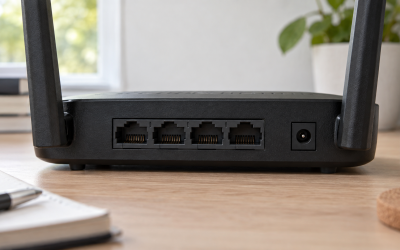
 WiFi Door Alarm System
- Power Source: AC power with battery backup
- Compatible Devices: Smartphone
- Connectivity Technology: Wireless
Expandable up to 20 sensors and 5 remote controls
Works with both Alexa and Google Assistant voice control
No subscription or monthly fees required
Only supports 2.4GHz Wi-Fi, not 5GHz networks
Battery backup lasts about 8 hours if power is lost
 Ring Alarm 8-Piece Kit
- Compatible Devices: Smartphone
- Control Method: Voice
- Battery Cell Composition: Lithium Ion
8-piece kit fits most 1 to 2 bedroom homes
Keypad lets you arm and disarm without a phone
Expandable with additional sensors as needs grow
Remote arming and 24/7 monitoring need a Ring Protect subscription
Alexa voice control also requires that subscription
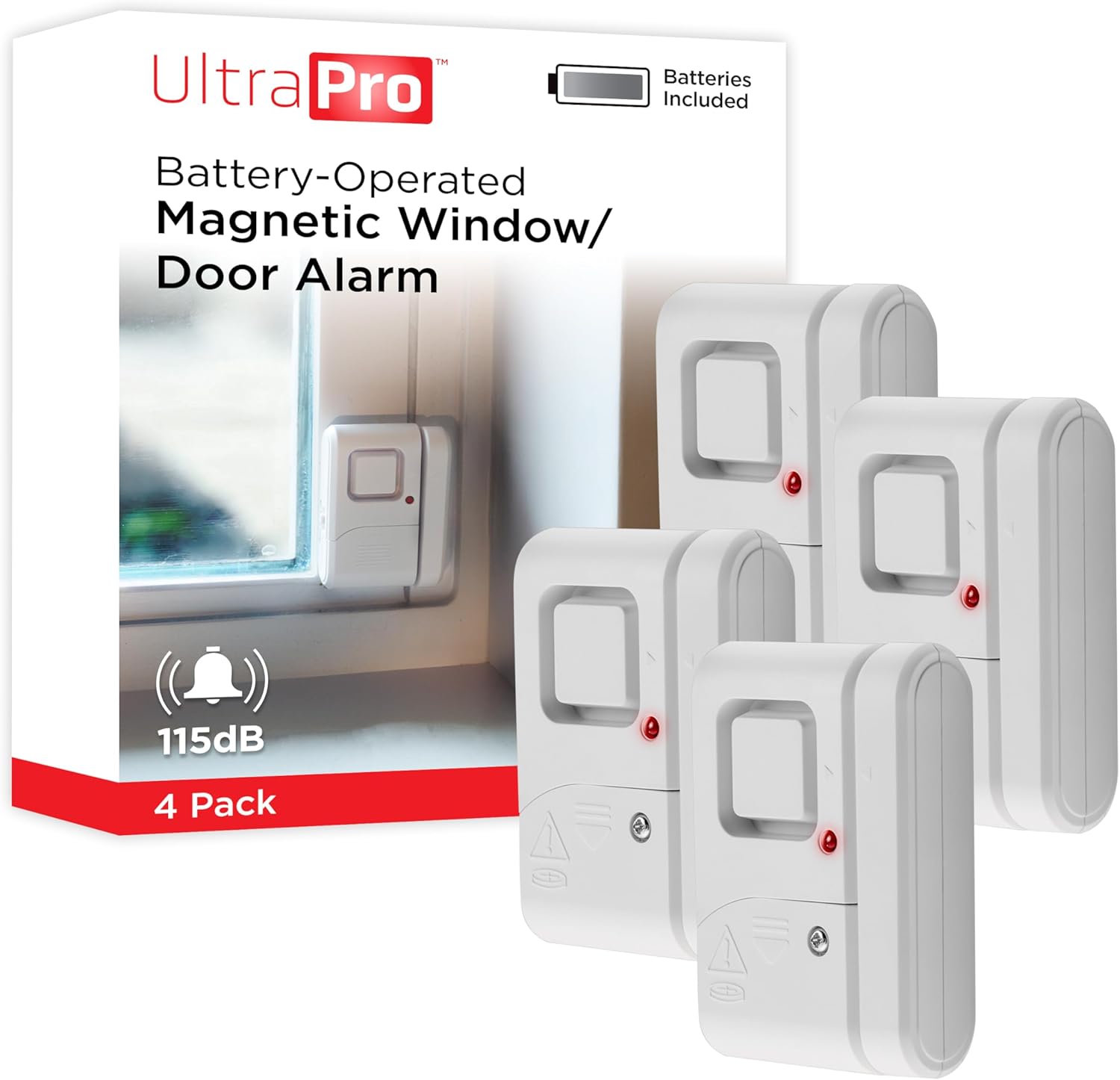 UltraPro Personal Security Window and Door Alarm
- Power Source: Battery Powered
- Compatible Devices: Home Security System
- Battery Description: Alkaline
120dB alarm or chime option covers four entry points
Double-sided tape mounts without any tools or wiring
No app or monthly fees required to operate
Not compatible with smart home systems
Runs on small LR44 batteries that will need replacing
| Product | Key specs | |
|---|---|---|
| WiFi Door Alarm System | Power Source: AC power with battery backup Compatible Devices: Smartphone Connectivity Technology: Wireless | Check price |
| Ring Alarm 8-Piece Kit | Compatible Devices: Smartphone Control Method: Voice Battery Cell Composition: Lithium Ion | Check price |
| UltraPro Personal Security Window and Door Alarm | Power Source: Battery Powered Compatible Devices: Home Security System Battery Description: Alkaline | Check price |
 2026 Home Security System 2026 Home Security System | Check price | |
 SimpliSafe 8 Piece Wireless Home Security System SimpliSafe 8 Piece Wireless Home Security System | Power Source: Battery Powered Compatible Devices: Smartphone Video Capture Resolution: 720p | Check price |
 EMDMAK Door Stop Alarm with 120DB Siren EMDMAK Door Stop Alarm with 120DB Siren | Check price | |
 SimpliSafe 5 Piece Wireless Home Security System SimpliSafe 5 Piece Wireless Home Security System | Check price | |
 PGST Alarm System for Home Security PGST Alarm System for Home Security | Check price |
As an Amazon Associate we earn from qualifying purchases at no extra cost to you.
As an Amazon Associate we earn from qualifying purchases.
By Daniel Foster
What Renters Should Weigh First
A rental changes the rules: no permanent holes, easy removal, and gear that fits one or two rooms rather than a whole house. Sorting monitoring fees, power, and mounting before you shop keeps apartment security systems from becoming a deposit dispute or a subscription you forget to cancel when you leave. Good apartment security systems balance easy install, real coverage, and a fee you can walk away from.
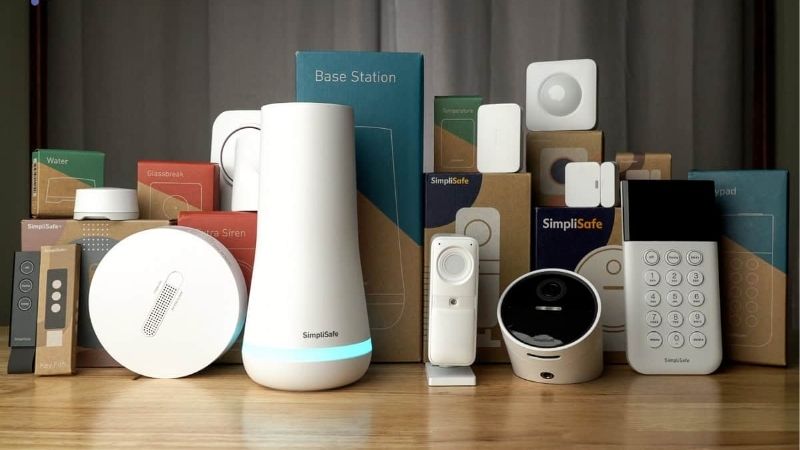
Apartment Security System Decision Numbers
The deciding factors are sensor type (wireless is the only realistic choice for renters), whether monitoring is self-service or professional, and any recurring fee. Self-monitored kits push free alerts to your phone; professional monitoring adds a subscription that can dispatch help but is optional on most modern systems.
Then count how many entry points you must cover, usually one door and a window or two, and confirm the hub connects over Wi-Fi or cellular. A cellular backup keeps alerts flowing during an outage, which matters in a building where you do not control the internet or the power.
Renting and apartment living have grown steadily, and gear built for that reality has followed: wireless, no-drill, and easy to unregister at move-out. That shift is why the strongest options now assume you will take everything with you and set it up again in an afternoon at the next place.
Placement, Space, And Fit
Renters need adhesive or press-fit mounts that patch with a dab of filler, so favor peel-and-stick sensors, a plug-in hub, and cameras with clamp or shelf bases. Measure the door frame gap for contact sensors and pick a corner about 7 ft (2.1 m) high for a motion unit that sees the entry.
Because units are small and portable, plan where each lives near power without trailing cables across a walkway. A compact kit that fits a studio should still expand later, so check that you can add sensors for a one-bedroom or a shared flat without buying a whole new base station.
Shared buildings add their own pressure, since packages left in a lobby or at a unit door go missing more often, especially late in the year. A camera on the entry and a contact sensor on the door cover the two spots renters worry about most in a busy building.
Fees, Power, And Removal
Look for systems with free self-monitoring and month-to-month professional plans you can toggle, since renters value flexibility over contracts. Battery sensors avoid wiring but need occasional battery checks, while a plug-in hub keeps the network alive as long as the outlet has power in your unit.
Clean removal is the renter’s real test: adhesive that peels without paint damage, and a base station that deregisters and re-registers at a new address. Confirm the system is not tied to a fixed install so your investment moves with you rather than staying behind for the next tenant. That portability is what makes apartment security systems worth the money for anyone who rents.
One more renter-specific point on cost: because the whole appeal is walking away clean, favor a system whose base station deregisters at one address and re-registers at the next without support calls or fees. Peel-and-stick sensors should lift with a little warmth and a slow pull, leaving paint intact, and a plug-in hub avoids the wired transformer a hardwired panel would need. Treat adhesive as consumable and keep a few spare mounting pads, so redeploying the kit after a move is a ten-minute job rather than a reason to rebuy.
Top Apartment Security System Picks
These six span all-in-one alarm kits, camera-first setups, and fee-free options, so you can match coverage to a studio or a shared flat. Each entry names a real drawback, because renter gear trades off monitoring cost, expandability, and removal ease in ways worth knowing before you commit. Any apartment security systems below can protect a rental once you settle the fee and coverage questions.
| Pick | Type | Monitoring | Best for |
|---|---|---|---|
| SimpliSafe | Alarm kit | Optional pro | Whole-apartment cover |
| Ring Alarm | Alarm kit | Optional pro | Alexa homes |
| Wyze Home Monitoring | Alarm kit | Low-cost | Tight budgets |
| eufy Security | Camera+sensors | Self, no fee | Skip fees |
| Abode | Alarm kit | Flexible | Smart-home fans |
| Blink | Camera kit | Local/cloud | Camera-first |
SimpliSafe For Whole-Apartment Coverage
SimpliSafe is wireless, renter-friendly, and expandable, with entry sensors, a motion detector, and a keypad that set up in an afternoon and peel off when you leave. Professional monitoring is optional and contract-free, so you can add dispatch for a trip and drop it afterward without penalty.
The trade-off is that the best experience, including app history and dispatch, leans on a subscription, so fully free use is more limited. Component costs add up as you cover more windows, so price the exact sensor count your apartment needs before buying the starter bundle.
Because most renters skip professional monitoring, the free self-monitored tier does the daily work while dispatch stays a toggle for trips. Confirm the app pushes reliable phone alerts without a plan, so the base system is useful even in the months you pay nothing at all.
Ring Alarm For Alexa Homes
Ring Alarm pairs contact and motion sensors with a hub that arms by app or routine and integrates tightly with Alexa and Ring cameras. Self-monitoring is free for phone alerts, and optional professional monitoring is available month to month for renters who want a dispatch option.
The downsides are ecosystem lock-in and fees for recorded video and monitoring, plus Ring’s cloud data policies, which are worth reviewing. Heavy cloud reliance also means confirming how the system alerts you during an internet interruption in a building you do not control.
In a rental you rarely control the router, so a cellular or battery backup on the hub is worth prioritizing. It keeps alerts flowing during the building outages you cannot fix, which is exactly when a self-monitored kit needs to reach your phone.
Wyze Home Monitoring For Tight Budgets
Wyze offers a low-cost monitored kit with entry and motion sensors and an inexpensive plan, making it one of the cheapest ways to add real coverage to a rental. For a first apartment on a budget, it delivers the basics of arm, alert, and optional monitoring affordably.
Compromises match the price: slower app response, fewer integrations, and reliance on Wyze’s cloud reliability for alerts. It is a value pick rather than a polished flagship, best for renters who want simple protection without a premium hardware outlay or a long commitment.
Buyers on a budget often start small and expand, so pick a base that adds sensors cheaply rather than forcing a new kit later. That path suits a first studio that becomes a one-bedroom, keeping the earlier spend useful instead of stranded.
eufy Security To Skip Fees
eufy combines cameras and sensors with local storage and self-monitoring, so recordings live on a hub with no required subscription, a strong fit for fee-averse renters. On-device detection trims false alerts, and the wireless gear mounts without drilling and travels to your next home easily.
The limitation is that professional dispatch is not the focus, so anyone wanting a monitored response may look elsewhere. Some advanced features still involve cloud services, and the app, while capable, can trail the largest platforms in occasional reliability during heavy use.
Owning the footage locally answers the privacy unease many renters feel about cloud video in a shared building. With clips on a hub rather than a company server, there is no monthly bill and no outside party holding video from inside your home.
Abode For Smart-Home Fans
Abode supports a wide range of sensors and smart-home standards, with flexible monitoring you can switch on for short periods, appealing to renters who tinker with automations. The wireless kit installs without tools and integrates lights and cameras into routines you control yourself.
The drawback is a steeper learning curve than the simplest kits, and building the right setup takes more effort. Some capabilities and longer history sit behind plans, so confirm which features stay free before assuming the fee-free tier covers everything your apartment needs.
Abode’s flexibility is both its selling point and its learning curve: the openness that lets it juggle many sensor types and standards also means more choices to get right during setup. Budget an evening to map which sensors cover which openings, name them clearly in the app, and test each arm-and-disarm routine before relying on it. For a renter who enjoys tinkering, that effort pays off in a system tuned to an odd studio layout; for someone who just wants protection out of the box, a simpler kit will frustrate less.
Blink For A Camera-First Setup
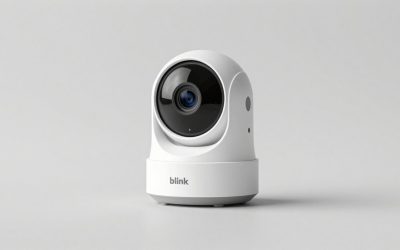
Blink is a camera-first, low-cost option that records locally through a Sync Module or an optional cloud plan, with battery models that mount anywhere without drilling. For renters who mainly want eyes on the door and a couple of rooms, it is an affordable, no-fee-optional start.
Trade-offs are modest resolution and detection versus premium rivals, and it is more a camera kit than a full alarm with dispatch. Pair it with contact sensors or a separate alarm if you want intrusion alerts beyond motion-triggered camera clips at the entry.
Timing helps too: renter gear sees its deepest markdowns around the major mid-year and late-year sales, though dates shift each year and reward checking. Moving season also drives demand, so buying a little ahead of a move can beat scrambling after you get the keys.
See More:
- Best eyeshadow blender brush
- Best frozen foods for air fryer
- Best frozen food for air fryer
- Best way to reheat steak in air fryer
- Best air fryer recipes book
Choosing Your Apartment Security Setup
The right apartment security systems for you hinge on two early calls: do you want a dispatch option, and will you pay any recurring fee? If not, eufy and Blink lean on local storage and free self-monitoring; if you want optional dispatch, SimpliSafe, Ring, and Abode add it without a contract.
Favor wireless, no-drill gear, cover your door and key windows, and confirm the kit deregisters cleanly so it moves with you. Because renters buy most around moving season and the late-year delivery rush, timing a purchase to a major sale can help, but the real win is apartment security systems that install fast, travel well, and never trap you in a fee you cannot leave.