Key takeaways
Alexa compatible alarm systems let you arm by voice and trigger routines, so this alexa compatible alarm systems guide ranks picks by how deeply they integrate and how well they stand alone. Below are six options with honest drawbacks, weighed on monitoring fees and dependable offline reliability today.
Our top picks
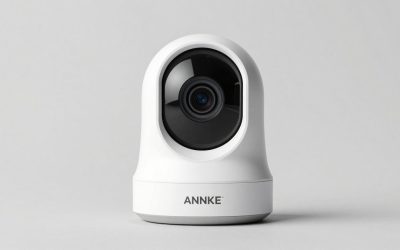
 WiFi Door Alarm System
- Power Source: AC power with battery backup
- Compatible Devices: Smartphone
- Connectivity Technology: Wireless
Expandable up to 20 sensors and 5 remote controls
Works with both Alexa and Google Assistant voice control
No subscription or monthly fees required
Only supports 2.4GHz Wi-Fi, not 5GHz networks
Battery backup lasts about 8 hours if power is lost

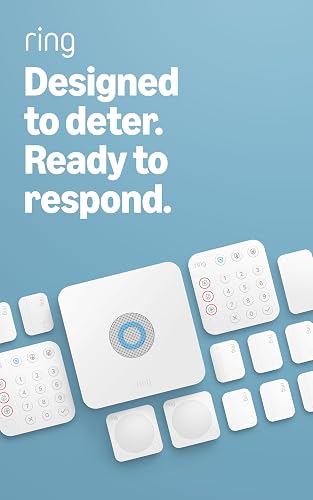 Ring Alarm 14-Piece Kit
14-piece kit covers 2 to 4 bedroom homes out of the box
Expandable with additional sensors as needs grow
Mobile app sends notifications when the system triggers
24/7 professional monitoring requires a separate Ring Protect subscription
Alexa voice control also needs a Ring Protect subscription


 Ring Alarm 8-Piece Kit
- Compatible Devices: Smartphone
- Control Method: Voice
- Battery Cell Composition: Lithium Ion
8-piece kit fits most 1 to 2 bedroom homes
Keypad lets you arm and disarm without a phone
Expandable with additional sensors as needs grow
Remote arming and 24/7 monitoring need a Ring Protect subscription
Alexa voice control also requires that subscription
As an Amazon Associate we earn from qualifying purchases at no extra cost to you.
As an Amazon Associate we earn from qualifying purchases.
By Daniel Foster
What “Alexa Compatible” Really Means
Alexa support ranges from simple voice status checks to full arming and routine triggers, so the depth of integration varies widely. Understanding that, plus monitoring fees and offline behavior, keeps alexa compatible alarm systems from being chosen on a logo alone rather than on whether they actually protect your home reliably.
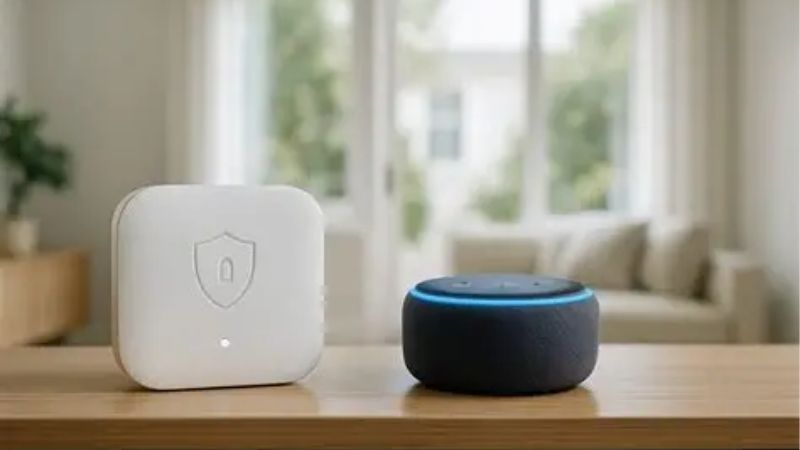
Alexa Alarm Decision Numbers
The deciding factors are the integration depth (voice arming and routines versus status only), the monitoring type and fee (self versus professional dispatch), and whether the alarm works offline if Wi-Fi or Alexa goes down. A system that only arms through the cloud is a risk during an outage.
Then check whether voice arming requires a PIN for security, since an unprotected voice command could disarm your home. Confirm sensor types and coverage, and weigh cellular backup, which keeps both the alarm and alerts alive when the internet drops, independent of the Alexa link.
Because Alexa is a convenience layer, prioritize a system that functions fully through its own app and keypad, using voice as a bonus. That way a service hiccup with the assistant never leaves your alarm unarmed or unable to alert you to an entry at the door. Treating alexa compatible alarm systems as voice-convenient but fully self-sufficient is the safest way to shop them.
Placement, Space, And Fit
Sensors still need sound placement regardless of voice control: door and window contacts on entries, a motion detector in a corner about 7 ft (2.1 m) high across walk paths, and the hub near power and a strong signal. Voice arming does not fix a gap in physical coverage.
For renters, wireless, no-drill sensors keep the setup portable and lease-friendly, and Echo devices can sit on shelves without mounting. Confirm the base station moves to a new address cleanly so both the hardware and any monitoring plan travel with you when you relocate.
Place an Echo where you naturally arm and disarm, such as near the door you use most, so voice commands are convenient. Keep the keypad accessible too, since a physical fallback matters when hands are full or the assistant does not hear a command clearly. Keeping a keypad within reach ensures you can always arm or disarm even when your hands are full.
Integration, Fees, And Offline Behavior
Deep integration lets you arm, disarm with a PIN, and fire routines that lock doors or turn on lights, while shallow support only reports status. Decide how much you want to control by voice, and confirm the routines you care about are actually supported by the system.
Monitoring fees follow the usual split: free self-monitoring with phone alerts, or professional dispatch for a fee. Alexa integration does not change this, so weigh the plan cost separately and prioritize cellular backup if you want alerts to survive a cut connection during an intrusion.
Offline behavior is the safety net: a good system keeps arming, sensing, and sounding locally even when Wi-Fi and Alexa are unavailable. Prefer hardware that does not depend on the cloud to protect you, treating voice control as a convenience rather than the backbone of your security. That distinction matters most during an outage, when the assistant itself may simply be unavailable.
Top Alexa Compatible Picks
These six integrate with Alexa to varying depths while offering self or professional monitoring, so you can match voice control and cost to your home. Each entry names a real drawback, because alexa compatible alarm systems trade off integration depth, fees, and offline reliability differently across brands. Reading how each handles a network outage tells you far more than its feature list does.
| Pick | Alexa depth | Monitoring | Best for |
|---|---|---|---|
| Ring Alarm | Deep (arm/routines) | Self or pro | Native Amazon fit |
| SimpliSafe | Arm/status | Self or pro | Flexible dispatch |
| Abode | Arm/routines | Self or on-demand pro | Automation fans |
| eufy | Status/limited | Self, no fee | Skip fees |
| Wyze Home Monitoring | Status/routines | Low-cost | Budget tier |
| Kangaroo | Status | Optional low-cost | Affordable basics |
Ring Alarm For A Native Amazon Fit
Ring Alarm, an Amazon product, offers the deepest Alexa integration, including voice arming with a PIN and routines that tie cameras and lights together. Free self-monitoring covers phone alerts, and optional professional dispatch with cellular backup is available month to month.
The downsides are ecosystem lock-in, fees for recorded video and dispatch, and Ring’s data policies, which warrant review. Voice arming through the cloud means confirming offline behavior, though the local keypad and cellular backup on paid tiers cover outages for the alarm itself.
For an Alexa household, the native fit is hard to beat for convenience. Just set a voice PIN, budget for any dispatch plan, and confirm how the system behaves during an internet interruption before relying on voice as your main control method. A voice PIN is essential here, since an unprotected command could otherwise disarm the whole house.
SimpliSafe For Flexible Dispatch
SimpliSafe supports Alexa for arming and status while keeping a full app and keypad, with free self-monitoring and optional no-contract professional dispatch plus cellular backup on paid tiers. The wireless gear installs without tools and adapts to apartments or houses.
The trade-off is that dispatch and full history lean on a subscription, and Alexa depth is slightly less than a native Amazon system. Component and plan costs add up as coverage grows, so price the sensors and tier you need before buying the starter kit.
For buyers who want voice convenience plus flexible dispatch, it balances both well. Confirm which features stay free without a plan, and lean on the keypad as the reliable fallback when a voice command is not recognized or the assistant is offline. The keypad remains the dependable fallback whenever a spoken command is not recognized cleanly enough.
Abode For Automation Fans
Abode integrates with Alexa and many other platforms, letting voice and routines drive a flexible, sensor-rich setup, with self-monitoring and on-demand professional dispatch. For tinkerers who want security woven into broader automations, its openness is the appeal.
The drawback is a steeper learning curve, and some features sit behind plans, so confirm which stay free. Building the right routines takes effort, so budget setup time and test each automation before trusting it to arm the house or fire a response.
For automation enthusiasts, Abode rewards the work with deep control, but casual users may prefer something simpler. Prioritize cellular backup and confirm offline behavior, so a network hiccup does not disable both the automations and the alarm at the same time. Prioritizing cellular backup keeps both alerts and automations alive when the connection drops out.
eufy To Skip Fees
eufy offers Alexa status and limited voice features alongside local storage and free self-monitoring with no required subscription, appealing to fee-averse buyers. On-device detection trims false alerts, and the wireless gear mounts without drilling for renters or quick installs.
The limitation is shallower Alexa integration than native systems and no professional dispatch focus, so voice control and monitored response are both limited. Some advanced features still involve cloud services, so confirm which functions stay free before assuming the no-fee tier covers everything.
For households that value fee-free operation and mainly want alerts, eufy fits, with Alexa as a light convenience. If deep voice arming or dispatch matters, a native or professionally monitored system will serve better despite the recurring cost. For fee-averse buyers who mainly want alerts, the light voice support is a perfectly reasonable trade.
Wyze Home Monitoring For Budgets
Wyze offers a low-cost monitored kit with Alexa status and routine support, pairing entry and motion sensors with an inexpensive plan. For a budget-conscious household wanting voice-aware alerts and optional monitoring, it delivers the basics affordably.
Compromises include slower app response, lighter Alexa depth than premium systems, and reliance on Wyze’s cloud reliability for alerts and voice. It is a value pick rather than a polished flagship, best for simple setups where cost matters more than deep integration.
As an affordable entry into voice-aware security, Wyze covers the essentials, but temper expectations on responsiveness. Keep the app and any keypad handy as fallbacks, and confirm how alerts behave during an outage since the system leans heavily on the cloud. Keeping expectations modest on speed avoids disappointment at a busy, alert-heavy front door area.
Kangaroo For Affordable Basics
Kangaroo focuses on affordable, simple sensors with Alexa status support and optional low-cost monitoring, aimed at renters and first-time buyers. The gear is easy to place without drilling, and the low price makes basic coverage accessible for a small apartment.
The trade-off is limited integration depth and fewer advanced features than the bigger platforms, plus lighter detection. It is a basics-first pick, so pair it with a camera if you want visual confirmation, and confirm which monitoring features the low-cost plan actually includes.
For affordable, straightforward protection with light Alexa awareness, Kangaroo suits a modest setup. Just size expectations to the price, and treat voice support as a status convenience rather than a full hands-free control system for your alarm. As affordable basics, it suits a small apartment more than a large, coverage-hungry family home.
See More:
- Best eyeshadow blender brush
- Best frozen foods for air fryer
- Best frozen food for air fryer
- Best way to reheat steak in air fryer
- Best air fryer recipes book
Choosing Alexa Compatible Alarm Systems
The best alexa compatible alarm systems for you balance integration depth against the fundamentals: reliable sensors, sensible fees, and full offline operation. Decide how much you truly want to control by voice, set a PIN for voice arming, and prioritize systems that protect you even when Alexa or Wi-Fi is down. Setting a voice PIN and keeping the keypad reachable covers the two most common gaps.
Place sensors to cover real entries, keep a keypad fallback, and weigh cellular backup if dispatch matters. Because smart-home gear sees its deepest markdowns around major mid-year and late-year sales, timing can help, but the goal is alexa compatible alarm systems that add voice convenience without trading away dependable, standalone security. Voice control should feel like a bonus layered over a system that already protects you.