
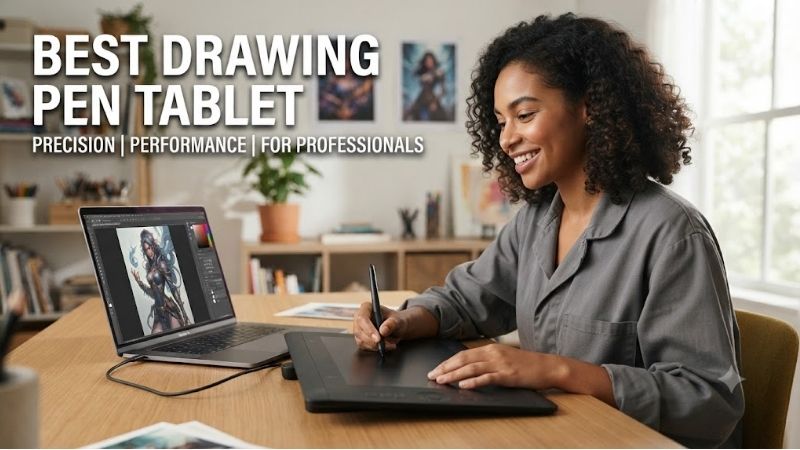
Best drawing pen tablet choices empower digital illustrators to create breathtaking artwork with fluid precision and natural hand control. Upgrading from a standard mouse to a dedicated creative input surface instantly enhances workflow speed while unlocking full pressure control for line art.
Our top picks


As an Amazon Associate we earn from qualifying purchases at no extra cost to you.
By: Daniel Foster
🛒 Best Price Today on Amazon
Prime members get fast, free shipping on everything above, plus member-only deals. New members get a 30-day free trial — cancel anytime.
How to Choose the Right best drawing pen tablet
Selecting your ideal best drawing pen tablet involves balancing physical workspace dimensions, pen accuracy, and connection options. Finding a graphics tablet that matches your creative software ensures smooth brush tracking without experiencing frustrating input lag or awkward hand positioning during long sessions.
Stylus Pressure Sensitivity and Tilt Support
Prioritizing high stylus pressure sensitivity ensures your digital brush lines react naturally to subtle variations in hand pressure. Modern input devices feature thousands of distinct pressure levels alongside advanced tilt recognition, allowing artists to render organic shading and delicate calligraphic strokes effortlessly.
A battery-free stylus eliminates interrupting creative workflows for recharging while maintaining a lightweight ergonomic grip. Checking for high report rates prevents jagged line tracking, ensuring every quick gesture appears fluid and accurate on screen across popular creative applications.
Active Workspace Size and Portability
Choosing the correct active drawing surface size directly impacts your drawing comfort and desktop desk organization. A medium-sized workspace provides sufficient arm movement for expressive concepts, whereas compact models fit easily into laptop bags for mobile sketching at coffee shops or travel hubs.
Balancing physical dimensions with screen size keeps your wrist comfortable during multi-hour illustration sessions. Evaluating your available desk real estate helps determine whether a broad digital art pad or a compact portable board best suits your daily workstation layout and travel requirements.
Screen Displays Versus Non-Screen Drawing Pads
Deciding between a traditional graphics pad and a direct pen display screen alters how you interact with software. A dedicated interactive screen lets you draw directly onto images for intuitive hand-eye coordination, while non-screen boards encourage better posture by keeping your neck upright toward a main monitor.
A fully laminated screen reduces parallax gaps between the pen nib and digital canvas, yielding unmatched precision. Though display units demand higher budgets and extra cables, traditional pen pads offer incredible durability, making them reliable options for entry-level artists and seasoned pros alike.
Top Picks for Digital Artists
Discovering a reliable best drawing pen tablet makes rendering complex concepts far more intuitive for artists of all skill levels. Our top choices highlight exceptional stylus accuracy, durable construction, and flexible connectivity to help you select an outstanding creative companion for your digital studio.
| Model | Display Type | Active Area | Pressure Levels | Best For |
|---|---|---|---|---|
| Wacom Intuos Pro Medium | Non-Screen Pad | 8.8 x 5.8 inches | 8192 Levels | Industry Professionals |
| Huion Inspiroy Dial 2 | Non-Screen Pad | 10.5 x 6.5 inches | 8192 Levels | Concept Artists & Animators |
| XPPen Deco Pro MW | Non-Screen Pad | 9 x 5 inches | 8192 Levels | Sleek Wireless Design |
| Huion Kamvas 13 | Laminated Display | 13.3-inch FHD | 8192 Levels | Budget Screen Display |
| XPPen Artist 12 2nd Gen | Laminated Display | 11.9-inch FHD | 8192 Levels | Portable Color Accuracy |
| Wacom One 12 Display | Laminated Display | 11.6-inch FHD | 4096 Levels | Entry-Level Beginners |
Wacom Intuos Pro Medium
Professional illustrators demanding industry-leading pen tracking will appreciate the Wacom Intuos Pro Medium for serious creative projects. Featuring 8192 levels of pressure sensitivity, Bluetooth connectivity, and customizable shortcut keys, this premium graphics tablet delivers flawless line accuracy and tactile pen control.
However, the textured surface sheet tends to wear down pen nib tips faster than smooth competitive plastic alternatives. Despite the ongoing cost of replacing worn nibs, its unmatched stylus response and robust build quality make it a gold standard choice for commercial designers and digital painters.
Huion Inspiroy Dial 2
Concept creators seeking ultimate physical control will love the Huion Inspiroy Dial 2 for streamlined menu navigation. Equipped with dual dial controllers, physical shortcut keys, and PenTech 3.0 technology, this wireless digital art pad makes adjusting brush size and canvas rotation remarkably smooth and efficient.
On the downside, initial driver setup on older operating systems can require manual troubleshooting before functions map correctly. Once properly configured, its tactile dual dials and long battery life offer incredible versatility, making it a fantastic asset for active concept artists and animators.
XPPen Deco Pro MW
Value-minded designers wanting high-end features will adore the XPPen Deco Pro MW for desktop digital illustration. Featuring wireless Bluetooth 5.0, an ultra-slim aluminum casing, and a unique mechanical wheel interface, it delivers an amazingly comfortable drawing experience during long creative projects.
Unfortunately, the outer trackpad area can occasionally register accidental palm touches if wrist positioning is lowered too far. Nevertheless, its sleek metallic construction and responsive battery-free stylus make this a standout best drawing pen tablet for budget-conscious creative professionals.
Huion Kamvas 13
Aspiring digital painters wanting an affordable screen display will find the Huion Kamvas 13 extremely impressive for daily work. Its vibrant 13.3-inch laminated screen eliminates visual parallax, while eight physical express keys allow quick access to software shortcuts without touching your computer keyboard.
Regrettably, the package omits an adjustable desktop stand, forcing buyers to purchase mounting hardware separately for comfortable angles. Despite this extra accessory cost, the brilliant anti-glare screen display and true-to-life color accuracy deliver incredible value for entry-level digital artists.
XPPen Artist 12 2nd Gen
Compact studio workers requiring vivid color accuracy will enjoy the XPPen Artist 12 2nd Gen interactive display monitor. Powered by an advanced X3 smart chip stylus with low activation force, this colorful pen display renders fine line work with subtle pressure variations across various art programs.
However, the compact 11.9-inch active screen can feel slightly cramped when working inside complex software interfaces with dense toolbars. If desktop space is limited, its ultra-portable footprint, crisp anti-glare glass, and vibrant color range make it a delightful portable creative companion.
Wacom One 12 Display
Beginner artists searching for trusted brand reliability will appreciate the Wacom One 12 Display for starting their creative journey. The fully laminated HD display provides a textured surface feel that mimics pen on paper, making the transition from physical sketchbooks to digital media seamless.
On the downside, it lacks built-in shortcut buttons on the tablet frame, requiring users to rely on keyboard commands or external remotes. Despite the absence of express keys, its legendary stylus tracking stability makes it a dependable best drawing pen tablet for student illustrators and sketchers.
Frequently Asked Questions
Investing in a best drawing pen tablet raises common inquiries regarding hardware setup, software compatibility, and nib maintenance. The following answers clarify essential operational questions, empowering digital artists to make confident purchasing choices tailored to their specific creative requirements.
Is a Screen Drawing Tablet Better Than a Non-Screen Pad?
Interactive screen displays offer direct visual feedback, allowing you to draw right where your stylus touches, which feels natural for traditional sketchers. Non-screen graphics pads, however, require looking up at a computer monitor, which promotes better neck posture during long illustration sessions.
Screen units cost significantly more and require multiple cable connections for video signals and power delivery. If portability, long-term durability, and ergonomic posture are your main priorities, traditional pen tablets remain an exceptionally practical and cost-effective choice for digital creators.
What Pressure Sensitivity Level Do Beginners Really Need?
Modern digital tablets offer between 4096 and 8192 levels of pressure sensitivity, providing precise control over line weight and opacity. While professional illustrators benefit from fine pressure gradations, beginners will find 4096 pressure levels more than sufficient for sketching and painting.
Initial activation force matters just as much as maximum pressure levels, determining how lightly you can touch the surface to register a mark. Choosing a responsive battery-free stylus ensures effortless line control without requiring heavy physical pressure against the active drawing surface.
Do Digital Drawing Tablets Require a PC or Laptop to Work?
Most standard pen tablets and display monitors act as input peripherals that require a host computer, laptop, or compatible mobile device to operate. They rely on the host system to run creative software like Adobe Photoshop, Clip Studio Paint, or Krita while processing graphical rendering.
While standalone graphics computers exist, traditional graphics tablets plug into PC hardware using USB or Bluetooth connections. Checking device system compatibility beforehand ensures your operating system supports driver software for full pen pressure sensitivity and shortcut customization.
How Often Do Digital Pen Nib Tips Need Replacement?
Nib replacement frequency depends on drawing pressure, usage hours, and the texture roughness of your active drawing surface sheet. Active artists who draw daily with firm pressure may need new plastic nibs every few months, whereas lighter hands can extend nib life for up to a full year or longer.
Replacing a worn stylus nib prevents sharp plastic edges from scratching your smooth tablet surface or screen coating over time. Keeping spare nibs inside your pen holder guarantees quick replacements, preserving consistent stroke accuracy and smooth gliding friction across your active workspace.
Final Thoughts
Buying the best drawing pen tablet depends on your target budget, workspace real estate, and preferred hand-eye coordination style. Whether you select a portable non-screen pad or a vibrant interactive display, acquiring responsive input hardware will dramatically elevate your digital artwork and studio workflow productivity.




Write Your Review
No reviews yet. Be the first to share your experience!