
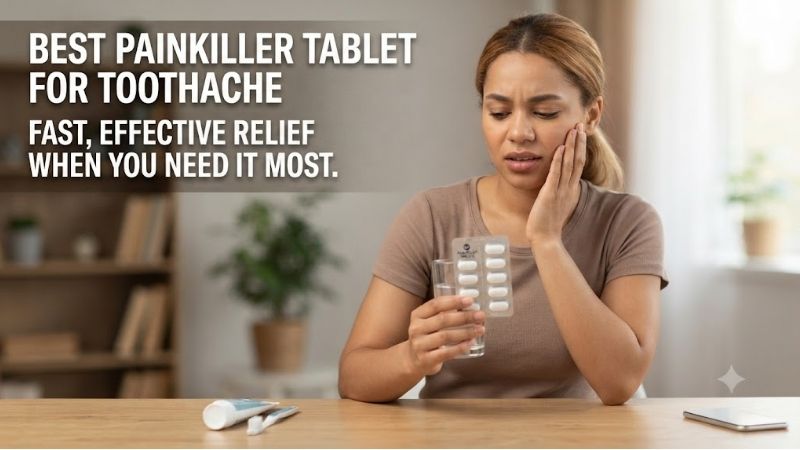
Best painkiller tablet for toothache relief provides immediate comfort when sharp dental discomfort strikes unexpectedly. Finding an effective over-the-counter option reduces throbbing sensations until you see a dentist. Understanding proper dosage and active ingredients helps you manage oral pain safely and efficiently.
Our top picks


As an Amazon Associate we earn from qualifying purchases at no extra cost to you.
By: Daniel Foster
🛒 Best Price Today on Amazon
Prime members get fast, free shipping on everything above, plus member-only deals. New members get a 30-day free trial — cancel anytime.
How to Choose the Right Best Painkiller Tablet for Toothache
Selecting an ideal over-the-counter medication requires matching active pharmaceutical formulas to your specific dental distress. Different chemical compounds address inflammation, nerve discomfort, and swelling in distinct ways. Evaluating speed, duration, and stomach tolerance prevents unnecessary side effects during treatment.
Active Ingredient and Mechanism of Action
Anti-inflammatory compounds like ibuprofen target localized gum swelling and tooth nerve throbbing directly at the source. Non-steroidal anti-inflammatory drugs work by blocking chemical signals that trigger localized oral pain. Acetaminophen alters overall pain perception within your central nervous system for systemic comfort.
Choosing between NSAIDs and non-NSAID options depends heavily on your medical history and specific health conditions. Individuals with high blood pressure or stomach sensitivity may require tailored analgesic formulations. Matching the active substance to your bodily needs ensures safe, effective oral pain medicine every time.
Speed of Onset and Relief Duration
Liquid-filled capsules and softgels enter your bloodstream faster than traditional compressed chalky tablets. When sudden dental nerve discomfort strikes, fast acting painkiller formulas deliver noticeable comfort in less than thirty minutes. Rapid absorption brings immediate peace during severe unexpected toothache episodes at home.
Relief duration varies significantly across different chemical classes and standard dosage formulations available today. Extended-release options like naproxen sodium sustain pain suppression for up to twelve full hours continuously. Longer coverage helps you sleep comfortably through the night without frequent dosing disruptions.
Stomach Safety and Side Effects
Gastrointestinal sensitivity remains a critical consideration when taking non-prescription pain relievers frequently. Standard NSAIDs can irritate delicate stomach linings if taken on an empty stomach without adequate water or food. Gentle formulas protect your digestive tract while still managing persistent jaw and tooth discomfort.
Always read product safety labels carefully to avoid exceeding daily maximum recommended dosage limits safely. Combining multiple medications containing identical ingredients can lead to accidental liver or kidney strain over time. Consulting a dental professional guarantees safe long-term management of your symptoms.
Top Picks for the Best Painkiller Tablet for Toothache
Navigating retail shelves for effective over the counter analgesics requires comparing speed, duration, and formula strengths accurately. The following selection highlights proven non-prescription medications designed to dull sharp dental nerve sensations. Use this breakdown to find a trusted product tailored to your immediate needs.
| Model | Active Ingredient | Onset Speed | Duration | Key Advantage |
|---|---|---|---|---|
| Advil Liqui-Gels | Ibuprofen 200mg | 15–30 Mins | 4–6 Hours | Fast liquid absorption for acute inflammation |
| Motrin IB Softgels | Ibuprofen 200mg | 20–30 Mins | 4–6 Hours | Reliable swelling reduction and pain blocking |
| Tylenol Extra Strength | Acetaminophen 500mg | 30–45 Mins | 4–6 Hours | Gentle on sensitive stomachs; non-NSAID |
| Aleve Caplets | Naproxen Sodium 220mg | 30–60 Mins | 8–12 Hours | All-day coverage with fewer daily doses |
| Bayer Extra Strength Aspirin | Aspirin 500mg | 20–40 Mins | 4–6 Hours | Proven traditional pain and fever relief |
| Excedrin Extra Strength | Acetaminophen/Aspirin/Caffeine | 15–30 Mins | 4–6 Hours | Triple-action formula for tough nerve pain |
Advil Liqui-Gels
Advil Liqui-Gels excel at targeting acute dental inflammation and throbbing nerve pressure fast. The liquid-filled capsule technology allows swift solubilization, bringing noticeable comfort quicker than standard solid pills. This makes it an ideal pick for individuals seeking rapid relief from severe tooth discomfort.
However, frequent use can irritate sensitive stomach linings if taken without food or liquid. The softgel capsules are also slightly larger than basic compressed tablets, which some users might find tricky to swallow. Nevertheless, its speed and anti-inflammatory power make it a top choice for immediate relief.
Motrin IB Pain Reliever Softgels
Motrin IB Softgels provide reliable, steady relief for throbbing gum and toothache sensations. Containing pure ibuprofen, this formulation actively halts inflammatory enzymes at the pain site effectively. It suits users who prefer a trusted brand with consistent dosage and predictable speed during painful flare-ups.
On the downside, its six-hour coverage requires periodic redosing throughout long workdays or nights. People with pre-existing kidney issues or ulcers must exercise extra caution before taking NSAID drugs. Overall, it stands as a dependable, highly effective option for targeted tooth pain relief.
Tylenol Extra Strength Caplets
Tylenol Extra Strength Caplets deliver potent central nervous system pain suppression without stomach irritation. Formulated with five hundred milligrams of pure acetaminophen caplets, it offers robust comfort for individuals unable to tolerate NSAIDs. It is great for sensitive stomachs needing non-aspirin comfort.
Unfortunately, acetaminophen lacks direct anti-inflammatory properties, making it less effective against swollen gums. Users must also monitor their total daily intake strictly to prevent liver toxicity risks over time. Despite these limitations, it remains a super safe alternative for broad dental pain management.
Aleve Pain Relief Caplets
Aleve Caplets offer long-lasting suppression of deep toothache aches with fewer total daily doses required. Powered by naproxen sodium, a single tablet maintains consistent pain relief for up to twelve consecutive hours. This long duration makes it the prime choice for uninterrupted sleep during overnight toothaches.
Conversely, naproxen takes slightly longer to absorb into the bloodstream compared to liquid softgels. It can also cause minor gastrointestinal distress if consumed without a light meal or snack beforehand. Nonetheless, its all-day stamina makes it unmatched for managing persistent, long-term dental pain.
Bayer Extra Strength Aspirin Caplets
Bayer Extra Strength Aspirin provides time-tested relief for minor dental aches and localized inflammation. Each caplet delivers targeted analgesia while helping diminish fever and tissue swelling around painful teeth. It serves budget-conscious consumers who want a reliable, classic pain relief formula at home.
However, aspirin possesses blood-thinning properties that may increase bleeding risks during prospective dental procedures. It is also unsuitable for children or teenagers due to serious medical warning conditions like Reye syndrome. Still, for adult usage, it provides proven, economical relief from mild dental pain.
Excedrin Extra Strength Caplets
Excedrin Extra Strength combines acetaminophen, aspirin, and therapeutic caffeine for enhanced pain relief. The addition of caffeine accelerates chemical absorption while boosting overall analgesic effectiveness against tough toothaches. It is ideal for sufferers needing maximum strength when single-ingredient pills fail.
On the flip side, the caffeine content can cause restlessness or disrupt sleep patterns if taken late at night. The multi-ingredient formula also increases the potential for stomach upset or drug interaction issues. Nevertheless, its rapid, powerful multi-action design knocks out intense dental aches fast.
Frequently Asked Questions About the Best Painkiller Tablet for Toothache
Dealing with severe dental discomfort often generates questions about dosage schedules, ingredient safety, and professional care timing. Below are clear, expert answers to common inquiries regarding dental pain medication. Review these guidelines to manage your oral distress safely until seeing your dentist.
How Quickly Does a Painkiller Tablet Start Working on a Toothache?
Most over-the-counter painkiller tablets begin relieving toothache symptoms within twenty to forty-five minutes after oral ingestion. Liquid-filled softgel formulations generally absorb faster than solid compressed pills, providing quicker comfort during severe flare-ups. Taking medication with water accelerates pill dissolution.
To maximize speed, avoid consuming high-fat heavy meals immediately before taking your designated pain relief medication. A empty digestive system allows rapid chemical transport into your bloodstream for swift action. However, listen to your stomach to avoid minor nausea while waiting for pain relief to take effect.
Can I Alternate Between Ibuprofen and Acetaminophen for Toothache Pain?
Alternating between ibuprofen for toothache relief and acetaminophen is a common technique for managing intense dental pain. Because these drugs process through different organ pathways, combining them under guidance provides enhanced comfort. This dual strategy tackles both active tissue swelling and central pain signals.
Always track your dosing schedules meticulously on paper to prevent accidental overconsumption of either medication class. Staggering doses every three to four hours maintains steady relief without exceeding safe daily thresholds. Consult a healthcare provider if sharp discomfort persists beyond two full days of use.
Are NSAIDs Better Than Acetaminophen for Swollen Gums?
Non-steroidal anti-inflammatory drugs like ibuprofen and naproxen sodium superiorly target swollen gums and tissue inflammation. They directly inhibit the specific enzymes responsible for local swelling, warmth, and throbbing pain in dental structures. This mechanism offers superior relief when gum tissues appear red or puffy.
Acetaminophen helps reduce severe pain perception centrally, but it does not diminish local physical tissue swelling. Therefore, NSAIDs remain the primary clinical choice for inflammatory dental issues unless personal contraindications exist. Selecting the right class ensures your specific physical symptoms improve quickly.
When Should I Stop Taking OTC Painkillers and See a Dentist?
Over-the-counter pain tablets are temporary measures meant to manage discomfort while arranging professional dental evaluation. You should schedule a dental appointment immediately if pain lasts longer than two consecutive days despite medication. OTC drugs mask symptoms but cannot cure underlying bacterial tooth infections.
Seek emergency dental assistance instantly if your toothache is accompanied by facial swelling, fever, or difficulty swallowing. Unresolved infections can spread rapidly throughout surrounding tissues if left untreated by qualified professionals. Prioritize professional diagnosis over long-term self-medication for lasting health.
Final Thoughts
Choosing the best painkiller tablet for toothache relief depends on your unique pain intensity, stomach tolerance, and swelling levels. Combining fast-acting liquid formulations with safe dosing habits provides short-term comfort until expert care is available. Prioritize dental visits to address root causes permanently.







Write Your Review
No reviews yet. Be the first to share your experience!