
Best electric toothbrush periodontal disease searches usually come after a dentist has raised a concern, and the specification that matters most in that situation is not power but restraint: a working pressure sensor and genuinely soft bristles.
As an Amazon Associate we earn from qualifying purchases.
By Daniel Foster
A Brush Is a Tool, Not a Treatment
No best electric toothbrush periodontal disease list changes the basic fact that periodontal disease is diagnosed and managed by a dental professional, and no consumer product treats it. What a brush can do is remove plaque more consistently than manual brushing without applying force that irritates already sensitive tissue, which is a supporting role rather than a solution.
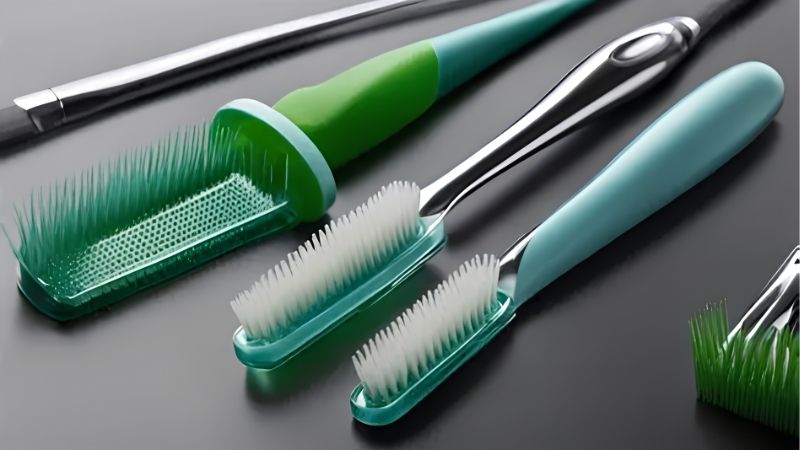
The Decisive Numbers: Motion Type, Pressure Sensing and Bristle Grade
Motion type splits the market. Sonic brushes vibrate at roughly 31,000 to 62,000 movements per minute; oscillating-rotating heads turn and pulse at lower stated rates. Reviews of clinical trials have generally found powered brushes reduce plaque and gingivitis compared with manual brushing, without one motion type clearly winning.
Pressure sensing is the feature that matters most here. Brushing too hard is a common problem and can worsen gum recession, so a brush that visibly warns or automatically reduces power when pressed is the single most useful specification for anyone with sensitive gums.
Bristle grade is easy to get wrong. Soft or extra-soft heads are what dental professionals typically recommend for sensitive tissue, and many brushes ship with a firmer default head. Check that soft and gum-care heads are available for the model before buying, since head availability is model-specific.
Space and Fit: Head Size, Charging and the Bathroom Shelf
The best electric toothbrush periodontal disease patients get on with tends to have a small head, because smaller heads reach behind rear molars and along the gum line more easily than large ones, which is where plaque accumulates. Compact heads suit smaller mouths and anyone who finds a standard head awkward at the back.
Charging bases occupy roughly 3-5 in (7.6-13 cm) of shelf and need a socket, which many bathrooms lack in some countries. Travel cases with USB charging solve that, and a brush holding three to four weeks per charge removes the problem entirely. Measure the shelf and check socket availability before buying a model with a large charging glass.
Running Costs and What Wears Out
With the best electric toothbrush periodontal disease sufferers can buy, heads are the real expense. Replacements are recommended roughly every three months, or sooner if bristles splay, and prices vary enormously between brands and between genuine and third-party heads. Over three years head cost frequently exceeds the price of the handle.
The handle itself usually fails through battery degradation after three to five years, and the seal around the head coupling perishes over time, which is why the base of a brush can start to smell. Rinsing and drying the handle and standing it upright rather than in a closed cup extends its life.
7 Brushes With Pressure Control and Soft Options
The best electric toothbrush periodontal disease patients are steered towards usually has pressure feedback and a gum-care mode. Amazon prices move constantly, so treat the tiers as indicative.
| Model | Motion | Pressure sensor | Price tier |
|---|---|---|---|
| Oral-B iO Series 9 | Oscillating + micro-vibration | Visible light, red/green | Premium |
| Philips Sonicare 9900 Prestige | Sonic | Auto power adjust | Premium |
| Philips Sonicare DiamondClean 9000 | Sonic | Yes | Premium |
| Philips Sonicare ExpertClean 7300 | Sonic | Yes | Mid-premium |
| Oral-B iO Series 5 | Oscillating + micro-vibration | Visible light | Mid |
| Waterpik Sonic-Fusion 2.0 | Sonic + water flosser | No | Mid-premium |
| Oral-B Pro 5000 | Oscillating-rotating | Yes | Mid |
Oral-B iO Series 9: Clearest Pressure Feedback
The illuminated ring turns green at appropriate pressure and red when you press too hard, which is the most immediately useful feedback of anything here. A gum-care mode reduces intensity for sensitive tissue.
It is expensive, and iO-specific heads cost considerably more than standard Oral-B heads. The interactive display and app tracking add little for most people and contribute to the price.
Philips Sonicare 9900 Prestige: Automatic Adjustment
Rather than warning you, this model reduces its own intensity when it detects excess pressure and adapts to the brushing motion. For someone who habitually presses hard, automatic correction is more reliable than a light they may ignore.
The price is the highest in the group and the premium heads are costly. Much of the technology addresses habits rather than adding cleaning power, so the value depends on whether pressure is your specific problem.
Philips Sonicare DiamondClean 9000: Modes and Soft Heads
Multiple intensity levels including a gum health mode, with a wide range of soft head options available. The charging glass is a design flourish, though the travel case with USB charging is the more practical accessory.
Head prices are high and the charging glass takes real shelf space. The mode selection is more granular than most people use, and the differences between adjacent settings are subtle.
Philips Sonicare ExpertClean 7300: The Sensible Sonicare
Pressure sensing, a gum care mode and a brushing timer at a lower price than the flagship models, with the same head compatibility. For most people this covers what the expensive models add polish to.
App connectivity is basic and the build feels a step below the premium range. There is no automatic intensity reduction, only a warning, so it relies on you responding to it.
Oral-B iO Series 5: Pressure Light on a Budget
The same illuminated pressure ring as the flagship in a simpler handle at a mid-market price, with the gentler modes retained. It is the cheapest way into Oral-B’s clearest pressure feedback.
iO heads remain expensive regardless of which handle you buy, which is the main long-term cost. Fewer modes and a simpler display than the Series 9, though neither is essential.
Waterpik Sonic-Fusion 2.0: Brushing and Flossing Combined
Combines a sonic brush with a water flosser in one handle, which addresses interdental cleaning that a brush cannot reach. For anyone advised to add water flossing, the combined unit reduces bathroom clutter.
There is no pressure sensor, which is a real omission in this context. The reservoir takes significant counter space, and the combined heads are expensive and specific to this system.
Oral-B Pro 5000: Standard Heads, Lower Cost
Pressure sensing and a gum care mode with access to the standard Oral-B head range, which is far cheaper than iO heads and widely stocked. Over three years the running cost is the lowest of the Oral-B options.
The handle is louder and the pressure indicator less prominent than the iO ring. The build and battery life are behind the newer range, though both are adequate.
Using a Brush Alongside Professional Care
Technique and the rest of the routine matter more than which best electric toothbrush periodontal disease list you bought from.
Technique Your Dentist Is Likely to Reinforce
Powered brushes work by contact rather than scrubbing, so the head is guided slowly along the gum line and held briefly on each tooth rather than moved back and forth. Most brushes pace this with a two-minute timer divided into quadrants.
Angling the bristles slightly towards the gum line is commonly advised for cleaning where plaque accumulates, but the specifics for your mouth should come from your dentist or hygienist, who can see what is actually happening. General guidance on a product page is no substitute for that.
Interdental Cleaning and the ADA Seal
A brush cannot reach between teeth, which is where a great deal of plaque sits. Floss, interdental brushes or a water flosser cover that gap, and which one suits your mouth is a question for your dental professional rather than a product comparison.
The ADA Seal of Acceptance indicates a product has been evaluated against the American Dental Association’s criteria for safety and efficacy. It is a useful factual filter when comparing brushes, though its absence does not automatically mean a product is ineffective.
Costs, Replacement and Buying Timing
Budget for heads every three months and check whether soft and gum-care variants are available for the model before committing, since head range varies by handle. Third-party heads are cheaper but fit and bristle quality vary considerably.
Oral care products follow the general retail calendar, with Prime Big Deal Days in early October and Black Friday and Cyber Monday in late November as the next two windows where brushes and head multipacks are most consistently discounted. Buying heads in bulk during those events is the practical saving.
Frequently Asked Questions
These best electric toothbrush periodontal disease questions come up after a dental appointment rather than out of general curiosity.
Can an electric toothbrush treat periodontal disease?
No. Periodontal disease requires professional diagnosis and treatment, which may include scaling, root planing or referral to a periodontist. A brush supports daily plaque control between appointments; it does not replace any part of that care.
Sonic or oscillating-rotating?
Reviews of clinical trials have found powered brushes outperform manual brushing on plaque and gingivitis without establishing one motion type as clearly superior. Comfort, pressure feedback and whether you will use it consistently matter more than the mechanism.
Should I use the highest intensity setting?
Not for sensitive gums. Lower intensity and gum-care modes exist precisely for that situation, and pressing harder or brushing more aggressively can make irritation worse. Ask your dentist or hygienist what setting suits your situation.
See More:
- Best noise cancelling headphones Bose
- Best deal on air fryer
- Best buy Bella air fryer
- Best deals air fryer
- Best blender bottle
Final Thoughts on Brushing With Gum Concerns
The best electric toothbrush periodontal disease patients can use is one with reliable pressure feedback, a soft or extra-soft head that is easy to buy, and a gum-care mode you actually use. Add interdental cleaning, replace heads every three months, and follow the guidance of the dentist or periodontist managing your care rather than any product page.
Our top picks


 Aquasonic Black Series Ultra Whitening Toothbrush
- 40,000 VPM Smart Toothbrush
- Accepted by the American Dental Association (ADA) Council…
- Modern Tech for a Healthy Smile


As an Amazon Associate we earn from qualifying purchases at no extra cost to you.





Write Your Review
No reviews yet. Be the first to share your experience!