Key takeaways
Best home safe shopping means balancing fire protection, how you unlock it, and how much it holds, so this best home safe guide ranks picks by what keeps valuables safe. Below are six options with honest drawbacks, weighed on fire and water ratings, lock reliability, and a real bolt-down anchor today.
As an Amazon Associate we earn from qualifying purchases.
Our top picks


As an Amazon Associate we earn from qualifying purchases at no extra cost to you.
By Daniel Foster
What A Home Safe Really Protects Against
A safe defends against two different threats, fire and theft, and most affordable models lean toward one. Sorting the fire rating, lock type, capacity, and bolt-down option first keeps a best home safe purchase honest, since a fire box is not a burglary safe and a heavy burglary safe may offer little fire protection.
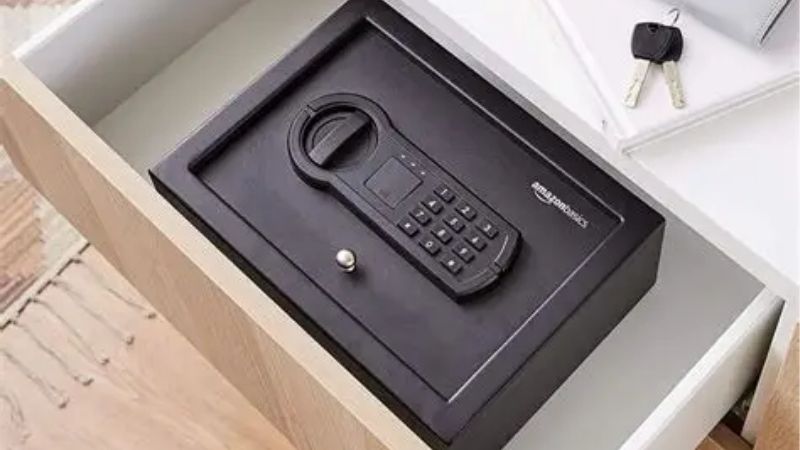
Home Safe Decision Numbers
The deciding factors are the fire rating (a UL or ETL class stating an interior temperature and duration, such as protecting paper below 350°F / 177°C for one hour), the lock type (dial, electronic keypad, or biometric), the interior capacity in cubic feet or liters, and whether it bolts down.
Then weigh water resistance if flooding is a risk, and the burglary rating, since a light steel box deters casually but resists a determined thief poorly. A safe rated only for fire will not stop prying, so match the protection to whether you fear a house fire, a break-in, or both.
Confirm the lock has a reliable backup: electronic keypads need batteries and a key override, and biometric readers should store several prints and fall back to a code. A lock that fails and traps your valuables is a common frustration, so redundancy in access matters as much as the shell. The right best home safe pairs the shell to your real threat, then adds a lock you can always open.
Placement, Space, And Fit
Measure the exterior footprint against the closet floor, shelf, or bolt-down spot you have in mind, remembering fire safes are thick-walled and heavier than their interior suggests. A safe that fits its contents but not its home ends up in a corner where it is easy to reach and easier to steal.
Bolt a safe to the floor or a wall stud through the pre-drilled holes, since an unanchored box under about 100 lb (45 kg) can be carried off whole. Choose a discreet, low-traffic location that still lets the door swing fully open, and keep it off damp basement floors that invite rust.
For documents, plan interior organization, since fire safes run smaller inside than out and passports, deeds, and drives fill the space quickly. Renters can use a mid-size bolt-down safe if allowed, or a heavy freestanding model, but confirm the floor and any lease terms before drilling anchors. A safe placed low and out of sight, then bolted, resists the grab-and-go theft that undoes light boxes.
Fire, Theft, And Access
Fire ratings describe how long the interior stays below a temperature during an external fire, with one-hour paper ratings common and two-hour or media (drive-safe) ratings costing more. Paper chars around 400°F / 204°C while media fails far lower, so a drive or photos need a media-rated safe, not a paper one.
Theft resistance depends on steel thickness, boltwork, and pry resistance, none of which cheap fire boxes prioritize. If burglary is your main worry, look for a heavier burglary-rated safe and accept less fire protection, or choose a composite model that balances both at a higher price.
Access speed and reliability shape daily use: dials are durable but slow, keypads are fast but battery-dependent, and biometrics are fastest yet can misread. Whatever the lock, insist on a mechanical key or code override so a dead battery or failed reader never seals your valuables inside. Building in that override turns a dead battery into a minor annoyance instead of a locked-out emergency.
Top Home Safe Picks
These six span fire-and-water boxes, biometric quick-access safes, and heavier burglary-minded models, so you can match protection to your real threat. Each entry names a real drawback, because the best home safe for documents differs from the one for cash or a firearm, and no single box excels at everything.
| Pick | Focus | Lock | Best for |
|---|---|---|---|
| SentrySafe fire/water | Fire + water | Keypad/dial | Documents |
| Honeywell fire safe | Fire | Keypad/dial | Paper records |
| First Alert fire/water | Fire + water | Keypad | Mixed valuables |
| Vaultek biometric | Quick access | Biometric | Fast entry |
| Barska biometric | Budget access | Biometric | Value pick |
| Steel bolt-down box | Theft deterrent | Keypad/key | Anchored security |
SentrySafe Fire/Water For Documents
SentrySafe’s fire-and-water boxes are a mass-market staple for protecting passports, deeds, and cash from a house fire and minor flooding, with keypad or dial access. For everyday document protection at a reasonable price, they cover the common need without a heavy install.
The drawback is that these are fire-first boxes, not burglary safes, so the steel is thin and a determined thief can defeat or remove an unanchored unit. Electronic keypad reliability draws occasional complaints, so keep the override key safe and change batteries before they die.
For a household mainly worried about fire and water damaging paperwork, it is a sensible default. Bolt it down where possible, store a digital backup of key documents elsewhere, and treat it as fire protection with light theft deterrence rather than a true burglary safe.
Honeywell Fire Safe For Paper Records
Honeywell’s fire safes focus on protecting paper records with UL or ETL fire ratings and a range of sizes, from small chests to larger cabinets. For a home archive of documents and photos, they deliver dependable fire protection with familiar keypad or dial locks.
The trade-off is the same fire-first design: limited burglary resistance and thin walls compared with a security safe. Media and drives may need a higher media rating than the paper spec provides, so confirm the rating matches what you actually plan to store inside.
As a fire-focused document box, Honeywell is a solid choice at a fair price. Verify the exact fire and water rating for the model you pick, since the range spans basic paper protection to sturdier options, and organize the interior so it holds everything you need. Matching the fire class to your most sensitive record keeps the box honest about what it can save.
First Alert Fire/Water For Mixed Valuables
First Alert’s fire-and-water safes protect a mix of documents, cash, and small valuables, with waterproof seals and fire ratings suited to common household needs. A keypad speeds access, and the sizes fit a closet shelf or floor without a major install.
The drawback, again, is modest burglary resistance, since these prioritize fire and water over pry resistance. As with any electronic lock, batteries and a backup key matter, so maintain both and confirm the water rating if your area floods or the safe sits low.
For mixed valuables where fire and water are the main threats, it balances protection and price well. Bolt it down if the model allows, keep a copy of irreplaceable documents off-site, and match the fire and media ratings to the most sensitive item you store.
Vaultek Biometric For Fast Entry
Vaultek’s biometric safes emphasize fast, tech-forward access with fingerprint readers, app features, and rechargeable batteries, popular for a bedside safe holding a firearm or cash. When speed of entry matters, the biometric reader is quicker than a dial or keypad.
The trade-off is reliance on electronics: batteries, readers, and app connections can fail, and these compact safes offer limited fire protection. Keep the backup key accessible, charge the battery regularly, and treat fire resistance as secondary unless the model specifically states a rating.
For quick-access storage where speed beats fire protection, Vaultek is a capable pick. Enroll several fingerprints, confirm the mechanical override, and pair it with a separate fire box for documents if you also need protection from a house fire. For speed-first storage, pairing it with a fire box covers the gap its compact shell leaves open.
Barska Biometric For A Value Pick
Barska’s biometric safes bring fingerprint access at a budget price, offering quick entry for a firearm, jewelry, or cash without the cost of premium brands. For a value-focused buyer who wants biometric convenience, it lowers the entry price meaningfully.
Compromises match the price: thinner steel, more basic biometrics that can misread, and little to no fire rating. Reader reliability and build quality trail premium safes, so keep the override key handy and set realistic expectations for both security and durability.
As an affordable biometric box, Barska suits a secondary safe or a first-time buyer. Bolt it down since it is light, enroll multiple prints, and do not rely on it for fire protection or as your only defense against a determined burglary attempt.
Steel Bolt-Down Box For Anchored Security
A heavier steel security box with a keypad or key lock and pre-drilled bolt-down holes prioritizes theft deterrence over fire, resisting grab-and-go removal when anchored to the floor. For cash and valuables where burglary is the main worry, anchoring is the key advantage.
The drawback is minimal fire protection unless the model states a rating, so documents and drives are not safe from a house fire in most of these. The heavier build also makes placement and installation more work than a light fire box.
For anchored, theft-focused storage, a bolt-down steel box does its job when properly installed. Fasten it to a stud or slab, choose a discreet spot, and add a separate fire-rated safe for anything that must survive both a break-in and a fire. Layering an anchored steel box with a fire safe covers both threats better than any single unit.
See More:
- Best eyeshadow blender brush
- Best frozen foods for air fryer
- Best frozen food for air fryer
- Best way to reheat steak in air fryer
- Best air fryer recipes book
Choosing Your Best Home Safe
The best home safe for you depends on the threat you fear most: fire-and-water boxes from SentrySafe, Honeywell, and First Alert protect documents; biometric safes from Vaultek or Barska give fast access; and a bolt-down steel box deters theft. Match the fire, media, and burglary ratings to what you actually store.
Measure the space, bolt the safe down, insist on a lock with a reliable override, and keep a digital or off-site copy of irreplaceable papers. Because people often buy safes after a scare or around tax season when documents pile up, timing varies, but the goal is a best home safe whose protection, access, and anchoring truly fit your valuables.
Frequently Asked Questions
How do I know if a home safe will actually protect my cash and paper documents from a severe fire in 2026?
Look for recognized independent certifications like UL or ETL, which test safes at high temperatures for specific durations, such as 30 to 60 minutes. For paper and cash, you want a fire rating that keeps the internal temperature below 350 degrees Fahrenheit. Always check the manufacturer specifications to ensure the rating covers paper goods, as digital media requires even stricter temperature limits.
Is it really necessary to bolt my home safe to the floor or wall?
Yes, anchoring your safe is one of the most critical steps to deter burglars who might otherwise simply carry the entire unit away. Most modern home safes come with pre-drilled holes and heavy-duty mounting hardware designed for concrete or wood subfloors. Securing it firmly out of plain sight in a master closet or basement also drastically reduces the chances of a thief quickly locating it.
Are biometric fingerprint scanners reliable on home safes, or should I stick to a traditional digital keypad?
Biometric fingerprint scanners have become remarkably reliable by 2026, offering lightning-fast access in emergency situations without the need to remember a complex numeric code. However, it is always wise to choose a model that includes a backup physical key or a digital keypad in case the scanner malfunctions or the batteries die. Look for modern semiconductor sensors rather than older optical scanners, as they provide better security and resist being fooled by fake prints.
How do I calculate the right safe size so I do not outgrow it too quickly?
Buyers almost always regret purchasing a safe that is too small, so experts recommend assessing your current valuables and then sizing up by at least thirty to fifty percent. Consider bulky items you might acquire in the future, such as extra passports, family heirlooms, external hard drives, and emergency cash reserves. Measuring your available storage space before buying ensures the external dimensions fit your chosen room while maximizing internal cubic footage.