Key takeaways
Fireproof home safe shopping is really about ratings, since the real protection is a tested fire class and duration, so this fireproof home safe guide ranks picks by the standards that matter. Below are six options with honest drawbacks, weighed on fire class, water sealing, and media safety here today.
Our top picks


![[16.54" Tall] Safe Box, 2.8 Cuft Home Safes With Fireproof Bag | Anti-Theft Security Safes for Home with Programmable Keypad Keys, Digital Safety Box for Money Documents Valuables Jewelry](https://m.media-amazon.com/images/I/71X-0FoZT9L._AC_UL320_.jpg)


As an Amazon Associate we earn from qualifying purchases at no extra cost to you.
As an Amazon Associate we earn from qualifying purchases.
By Daniel Foster
Why “Fireproof” Is Really About Ratings
No consumer safe is truly fireproof; it is fire-resistant for a rated time and temperature. Understanding the fire class, the duration, and whether it protects paper or also media keeps a fireproof home safe purchase grounded in what the safe was actually tested to survive rather than a label on the box.
Fireproof Safe Decision Numbers
The deciding factors are the fire rating (a UL or ETL class stating an interior temperature and duration, commonly paper protection below 350°F / 177°C for one hour, with two-hour and media classes above that), water resistance, whether it protects media as well as paper, and the interior capacity.
Then note that paper chars near 400°F / 204°C while drives, discs, and photos fail far lower, around 125°F / 52°C, so media needs a stricter media rating. A safe rated only for paper will not save a hard drive in a fire, which is a common and costly misunderstanding.
Confirm the water rating too, since firefighting soaks a home and a fire safe without a water seal can leave contents ruined by water even if they survive the heat. A combined fire-and-water rating is the practical target for documents you cannot replace. A fireproof home safe earns its name only through a tested class and a water seal, not the label.
Placement, Space, And Fit
Fireproof safes are thick and heavy for their interior size, so measure the interior against your documents, not the exterior, and confirm the spot supports the weight. A ground-floor interior location away from exterior walls can fare better in a fire than a garage or an outer-wall closet.
Keep the safe off damp floors to prevent rust and mold on the seal, and leave room for the door to open fully. If you also want theft deterrence, a bolt-down fire safe anchors against grab-and-go removal, so use the pre-drilled holes where the model provides them.
For a lot of documents, plan the interior layout, since fire insulation eats internal volume and a small chest fills fast. Store the most heat-sensitive items, drives and photos, in the coolest central position, and use a fireproof bag inside for an extra media layer if needed. Keeping the safe central and off exterior walls gives the interior a better chance in a real fire.
Fire Class, Water, And Media
Fire class is the headline: a one-hour paper rating suits everyday documents, while irreplaceable records or a business archive justify a two-hour class. Longer ratings and higher temperatures cost more and add weight, so match the class to how critical and how numerous your papers are.
Water sealing matters because fires are extinguished with water, and a submersion or spray rating protects contents from the soaking that follows. A gasketed seal that keeps water out also helps against minor flooding, adding value beyond the fire scenario alone.
Media protection is a separate, stricter tier, since electronics and photos need a much lower internal temperature than paper. If you store drives, discs, or film, choose a media-rated safe or add a dedicated media-rated insert, rather than trusting a standard paper fire class. Reading the exact class and duration first prevents the costly assumption that any fire safe saves drives.
Top Fireproof Safe Picks
These six span paper-rated chests, fire-and-water boxes, and media-minded options, so you can match the class to what you must protect. Each entry names a real drawback, because a fireproof home safe rated for paper is not the same as one that shields a hard drive, and duration and water sealing vary widely. Reading each drawback closely helps you match a class to what you truly cannot afford to lose.
| Pick | Rating focus | Water | Best for |
|---|---|---|---|
| SentrySafe fire/water | Paper 1hr | Sealed | Everyday documents |
| Honeywell 2-hour | Paper 2hr | Varies | Critical records |
| First Alert fire/water | Paper 1hr | Sealed | Mixed valuables |
| Media-rated safe | Media class | Sealed | Drives and photos |
| Fireproof document bag | Supplemental | Water-resistant | Extra layer |
| Bolt-down fire safe | Fire + theft | Sealed | Anchored protection |
SentrySafe Fire/Water For Everyday Documents
SentrySafe’s fire-and-water chests carry common one-hour paper ratings and a water seal, protecting passports, deeds, and cash from typical house-fire and flood scenarios. For everyday document protection at an accessible price, they are a widely trusted default.
The drawback is that a one-hour paper rating does not protect media, and burglary resistance is limited, since these are fire-first boxes. Electronic keypad reliability draws occasional complaints, so keep the override key and confirm the water rating for your risk.
For a household protecting paper and cash from fire and water, it covers the essentials well. Store drives separately in a media-rated container, keep an off-site digital backup, and organize the interior so it holds your key records without overflowing. Storing drives in a separate media container keeps a one-hour paper box from failing what it cannot protect.
Honeywell 2-Hour For Critical Records
Honeywell offers two-hour fire ratings on some safes, doubling the protection window for critical business or family records during a longer or hotter fire. For irreplaceable paperwork, the extra duration buys margin that a one-hour box cannot.
The trade-off is more weight, higher cost, and, unless stated, still paper-focused protection rather than media. Confirm the exact class and any water rating, and remember a longer fire class does not automatically mean drives are safe inside.
For a home archive of critical documents, the two-hour class is worth the premium. Verify the rating and water seal, plan the interior for your records, and add a media-rated insert if photos or drives also need to survive the same fire.
First Alert Fire/Water For Mixed Valuables
First Alert’s fire-and-water safes protect a mix of documents and small valuables with a one-hour class and waterproof sealing, sized for a closet or floor. A keypad speeds daily access, and the water seal adds protection against the soaking that follows a fire.
The drawback is modest burglary resistance and a paper-focused rating, so media needs separate protection. Maintain the keypad batteries and backup key, and confirm the water rating if the safe sits low or your area is flood-prone.
For mixed valuables threatened mainly by fire and water, it balances protection and price. Bolt it down where possible, keep irreplaceable records copied off-site, and match the class to the most sensitive item you intend to store inside.
Media-Rated Safe For Drives And Photos
A media-rated safe maintains a much lower internal temperature than a paper box, protecting hard drives, discs, and photos that would fail in a standard fire safe. For anyone storing digital backups or film physically, this stricter class is the only reliable choice.
The trade-off is higher cost and smaller media-rated interiors, since maintaining a low internal temperature is demanding. These safes protect media specifically, so confirm the rating covers your exact storage type and duration before trusting it with irreplaceable data.
For drives and photos, a media rating is non-negotiable, and this class delivers it. Pair it with a paper fire safe for documents if needed, and still keep an off-site or cloud backup, since physical media can fail for reasons unrelated to fire. Because drives can fail on their own, an off-site or cloud copy remains the backstop even with a media safe.
Fireproof Document Bag For An Extra Layer
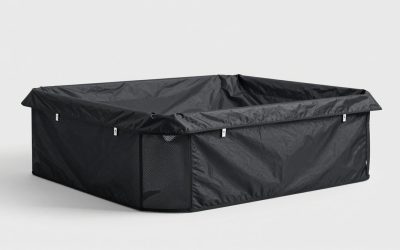
A fireproof document bag adds a supplemental, water-resistant layer inside a safe or on its own, useful for grouping passports and deeds or adding protection a basic box lacks. It is inexpensive, portable, and easy to grab in an evacuation.
The drawback is that a bag is a supplement, not a substitute, with a lower rating and duration than a proper safe. It should live inside a rated safe for real protection, and its seal and rating are modest, so do not rely on it alone for critical records.
As an affordable extra layer, a fire bag improves organization and grab-and-go readiness. Keep it inside a rated safe, use it to bundle the documents you would need first in an emergency, and treat it as insurance on top of, not instead of, a real fireproof box.
Bolt-Down Fire Safe For Anchored Protection
A bolt-down fire safe combines a fire-and-water rating with pre-drilled anchor holes, adding theft deterrence to fire protection when fastened to the floor or a stud. For documents and cash threatened by both fire and burglary, anchoring closes the grab-and-go gap.
The trade-off is added weight and installation effort, and the fire class is still typically paper-focused, so media needs its own protection. Renters should confirm they may drill anchors, or choose a heavier freestanding model instead.
For layered protection against fire and theft, an anchored fire safe is a practical middle ground. Bolt it securely, confirm the fire and water ratings, and add a media-rated container inside for any drives or photos that must also survive a house fire. Anchoring a fire safe closes the theft gap that fire-first boxes otherwise leave wide open.
See More:
- Best eyeshadow blender brush
- Best frozen foods for air fryer
- Best frozen food for air fryer
- Best way to reheat steak in air fryer
- Best air fryer recipes book
Choosing Your Fireproof Home Safe
The best fireproof home safe for you starts with the rating, not the label: a one-hour paper class suits everyday documents, a two-hour class protects critical records, and only a media class saves drives and photos. Add a water seal, since firefighting soaks a home as thoroughly as the flames threaten it. Matching the class to your most heat-sensitive item, then adding a water seal, is the whole decision.
Measure the interior for your documents, place the safe away from exterior walls, and keep an off-site backup of anything irreplaceable. Because interest in fire protection rises during wildfire season and after local fires make the news, timing varies, but the goal is a fireproof home safe whose tested class truly matches what you cannot afford to lose. Confirm the class, add a water seal, place it centrally, and keep an off-site copy of anything irreplaceable.