
Heating and cooling account for nearly half of the average home’s energy bill, which makes the thermostat the highest-leverage upgrade in the house. A modern smart thermostat learns your schedule, responds to occupancy, and can shave 8-15% off HVAC costs, often paying for itself within a heating season.
For 2026 we compared the leading Energy Star certified models on installation difficulty, sensor accuracy, and real-world savings features. Whether you want the hands-off learning of a Google Nest or the utility-rebate friendliness of an ecobee, this roundup helps you match a thermostat to your setup and your budget.
Our top picks



As an Amazon Associate we earn from qualifying purchases at no extra cost to you.
⚡ Save on Your Next PC — Amazon Prime
Prime members get fast free shipping on the systems above, plus early access to Prime Day & Black Friday PC deals. New members get a 30-day free trial.
Watch: Best Smart Thermostats for Energy Savings in 2026 — Video Review
How to Choose
- C-wire compatibility: Confirm you have a common wire or a compatible adapter; some units like the Amazon Smart Thermostat require a C-wire, while Sensi models are famously wiring-flexible.
- Energy Star certification: Only certified models qualify for many utility rebates that can knock $50-100 off the price.
- Sensors and geofencing: Remote room sensors and phone-based location let the system heat only occupied rooms and back off when you leave.
- Ecosystem fit: Decide whether Alexa, Google Home, or Apple Home matters most for voice control and automations.
- Learning vs. scheduling: Learning thermostats auto-build a schedule; simpler programmable units cost less but need manual setup.
The Best Picks Reviewed
ecobee Smart Thermostat Essential
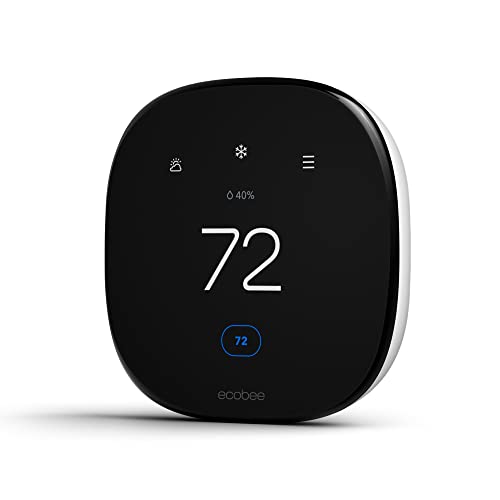
The ecobee Essential hits the sweet spot of price and features, with Energy Star certification and support for remote sensors down the line. Its bright touchscreen and strong utility-rebate eligibility make it a favorite for households that want savings without the premium price of the flagship Enhanced model.
Google Nest Thermostat
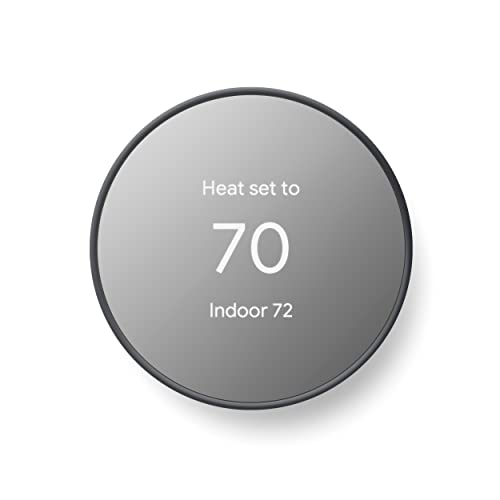
The charcoal Nest Thermostat is the easiest “set and forget” option, quietly learning when you are home and building an efficient schedule automatically. Its mirrored display and tight Google Home integration suit anyone already living in that ecosystem who wants savings with minimal fiddling.
Amazon Smart Thermostat
Built with Honeywell technology and priced aggressively, the Amazon Smart Thermostat is the value champion. It works seamlessly with Alexa and Ring, delivers Energy Star savings, and is the pick for budget-focused smart-home users, provided your system has the required C-wire.
Sensi Smart Thermostat (ST55)
The Sensi ST55 is the DIY installer’s friend, with flexible wiring that works in older homes where a C-wire is absent. It skips a fancy display in favor of reliable app scheduling, Alexa control, and Energy Star efficiency at a mid-range price.
Honeywell Home RTH9585WF
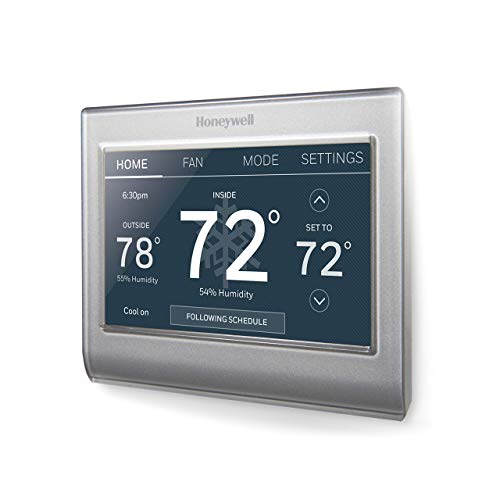
For those who prefer a big, customizable color touchscreen on the wall, the Honeywell RTH9585WF pairs a 7-day programmable schedule with Wi-Fi control. It is a dependable, feature-rich choice for people who like adjusting settings directly rather than only through an app.
Frequently Asked Questions
How much can a smart thermostat actually save?
Independent studies and manufacturer data put savings around 8-15% on heating and cooling, which typically means $50-150 a year depending on climate and home size. Geofencing and room sensors push the higher end.
What is a C-wire and do I need one?
The common (C) wire supplies continuous power to the thermostat. Some models require it; others, like Sensi, run without one. Check your existing wiring before buying, or choose a wire-flexible unit.
Can I install a smart thermostat myself?
Most are designed for DIY installation in 30-45 minutes with a screwdriver and phone app. Label your wires, and if you see a jumper or unfamiliar wiring, a professional install is inexpensive insurance.
Do smart thermostats work without Wi-Fi?
They still control temperature locally if the internet drops, but you lose remote control, scheduling updates, and learning features until the connection returns.
Final Thoughts
The best smart thermostat is the one that matches your wiring and your ecosystem. Choose the Amazon Smart Thermostat or Sensi for value, the Nest for hands-off learning, and ecobee or Honeywell for sensor-driven precision. Any Energy Star model in this list, installed and scheduled properly, will start trimming your bills from month one.










Write Your Review
No reviews yet. Be the first to share your experience!