Parental control tablets are judged by their control tools, not marketing, so this roundup ranks parental control tablets by time limits, content filtering, app approval and child profiles. We combine maker specs with long-term parent feedback, note each control system, and list one honest drawback per pick so you keep screen time safe.
As an Amazon Associate we earn from qualifying purchases.
Our top picks


As an Amazon Associate we earn from qualifying purchases at no extra cost to you.
By Daniel Foster
Best Parental Control Tablets Ranked
What matters most is the strength of the control system: setting daily limits, filtering content, approving apps and creating separate child profiles. The picks below span budget to premium across four ecosystems, and Amazon prices move often, so confirm the live figure before you buy.
| Tablet | Control system | Key tools | Tier |
|---|---|---|---|
| Fire HD 8 Kids | Amazon Kids+ | Time limits, web filter | Budget |
| Fire HD 10 Kids Pro | Amazon Kids+ | Age filters, approvals | Mid |
| Galaxy Tab A9+ | Samsung Kids | Profiles, limits | Mid |
| Lenovo Tab M11 | Google Family Link | Approvals, screen time | Mid |
| Google Pixel Tablet | Family Link + Kids Space | Curated content | Mid |
| Apple iPad (10th gen) | Apple Screen Time | Downtime, app limits | Premium |
Amazon Fire HD 8 Kids (Simplest Controls)
The Fire HD 8 Kids has the most turnkey controls: Amazon Kids+ sets daily time limits, filters web content, approves apps and reports usage, all from a parent dashboard. A rugged case and two-year guarantee round out a low-stress package aimed at younger children.
The hardware is basic and the Kids+ subscription renews after the first year. For parents who want the easiest possible controls out of the box without configuring anything complex, it is a strong entry among kids tablets, though it stays inside Amazon’s closed ecosystem.
Amazon Fire HD 10 Kids Pro (Older Kids)
The Fire HD 10 Kids Pro suits ages 6 to 12 with age-appropriate content filters, app-approval requests a parent can accept remotely, and a bigger 1080p screen. The maturer interface gives tweens more independence while parents keep control from the linked dashboard.
Like all Fire Kids devices it renews the content subscription and runs budget-grade hardware. For older children who need controls without a toddler-styled interface, it is a sensible step up, offering more freedom within limits you set and can adjust as they grow.
Samsung Galaxy Tab A9+ (Samsung Kids)
The Galaxy Tab A9+ runs Samsung Kids, a dedicated child mode with time limits, curated content and a separate profile, on full Android with Google Play behind your controls. The 11-inch 90Hz screen and quad speakers make it a capable family tablet beyond just kids’ use.
A rugged case is a separate buy and it lacks the bundled guarantee of Fire Kids models. For families who want proper Android apps with solid parental controls and a tablet that adults can use too, it is one of the most flexible parental control tablets here.
Lenovo Tab M11 (Google Family Link)
The Tab M11 pairs full Android and Google Family Link with a bundled pen, letting parents approve apps, set screen-time schedules and track usage from their own phone. Google Kids Space adds curated books, games and videos for a safe, learning-friendly home screen.
The entry chip stutters under heavy load and the pen is basic. For parents already using Google Family Link across the household who want unified controls and an included stylus, it is excellent value, keeping every child device managed from one familiar dashboard.
Google Pixel Tablet (Family Link + Kids Space)
The Pixel Tablet combines clean Android, fast updates and Google Family Link with Kids Space, offering curated content and per-child profiles, plus a charging speaker dock for home use. Switching between an adult profile and a kids one makes it a genuine shared family device.
There is no microSD and the 60Hz screen is less fluid than rivals. For households in the Google ecosystem who want strong controls, curated kids content and a tablet that doubles as a smart home display, it is a versatile and well-supported choice.
Apple iPad 10th Generation (Screen Time)
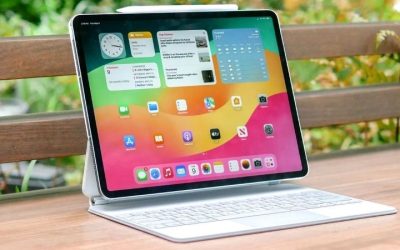
The 10th-gen iPad uses Apple Screen Time, among the most detailed control systems: downtime schedules, per-app limits, content and privacy restrictions, and Ask to Buy for purchases, all managed through Family Sharing. It is powerful, long-supported and grows with the child.
It costs far more than the Fire Kids tablets and needs a case bought separately, with no bundled kids content. For families investing in one durable device with granular controls that lasts into the teenage years, it is the premium pick among parental control tablets.
How to Choose Parental Control Tablets
Match the control system, ecosystem and age range to your family before you buy, and weigh how long the tablet must last. The points below settle most decisions faster than comparing chips, since the strength of the controls matters more than raw speed.
The Controls That Decide It
The deciding features are daily time limits, content and web filtering, app-approval requests and separate child profiles. Amazon Kids+ and Samsung Kids offer curated, turnkey setups, while Google Family Link and Apple Screen Time give granular control across full app stores you manage.
Consider whether you want a closed, curated system or full app access with your own limits. Deciding the control approach first prevents buying a tablet whose tools are too basic for a demanding household or too locked-down for a child who needs real educational apps.
Size, Durability and Fit for Kids
Children’s tablets should suit small hands, so weight and a protective case matter as much as screen size. A 7 to 8-inch model in a case is easier for young kids, while a 10 to 11-inch screen suits older children and shared viewing but weighs more with a rugged case on.
Some devices, like Fire Kids models, include a rugged case and guarantee, while others need a case bought separately. Check the weight in grams with protection added, and match the size to your child’s age and grip so the tablet is comfortable to hold and hard to break.
Content, Cost and Timing
Look past the sticker to recurring cost, since bundled content like Kids+ renews after the first year. Weigh whether curated content and a guarantee justify the Fire route, or whether a Galaxy, Pixel or iPad with free apps and your own controls suits your family better long term.
On timing, the late-June Prime Day and November sales are the strongest windows for parental control tablets, and they are popular gifts in the holiday season, though Amazon shifts sale dates each year, so confirm the official ones before planning a purchase.
Parental Control Tablets FAQ
These are the questions parents ask most, covering which control system is strongest, whether an iPad is worth it and how to manage multiple children.
Which parental control system is best?
Apple Screen Time and Google Family Link offer the most granular control across full app stores, while Amazon Kids+ and Samsung Kids provide the easiest curated setups. Choose curated systems for simplicity and younger kids, and Screen Time or Family Link for detailed control as children grow.
Is an iPad worth it for parental controls?
An iPad costs more but pairs powerful, long-supported hardware with detailed Screen Time controls and Family Sharing. With a case it lasts from childhood into the teens. For families wanting one durable, granular-control device rather than replacing cheaper tablets, it can be well worth the outlay.
Can I manage several children on one tablet?
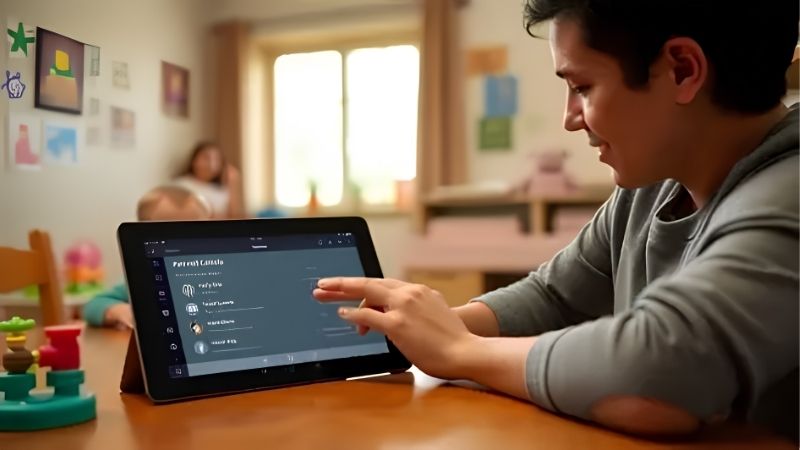
Yes, on most platforms. Samsung Kids, Google Kids Space, the Pixel Tablet and Apple Family Sharing all support separate child profiles with individual limits and content. Set up a profile per child so each gets age-appropriate access, and manage them all from your own parent dashboard.
See More:
- Best eyeshadow blender brush
- Best frozen foods for air fryer
- Best frozen food for air fryer
- Best way to reheat steak in air fryer
- Best air fryer recipes book
Bottom Line on Parental Control Tablets
The best parental control tablets match your family and ecosystem: a Fire HD 8 Kids for the simplest turnkey controls, a Fire HD 10 Kids Pro for tweens, a Galaxy Tab A9+ or Lenovo Tab M11 for full Android with strong controls, a Pixel Tablet for Google households, and an iPad 10th gen for granular Screen Time that grows with the child. Weigh the control system, durability and content cost, check the weight for small hands, and let Prime Day or the holidays set the price. Match the controls to your family and screen time stays safe.