For most beginners, a leather speed bag in a medium size from a boxing specialist such as Everlast, Title, Ringside or Rival is the best place to start, while experienced boxers who want faster rhythm should look at smaller bags and premium makers like Cleto Reyes. The platform and swivel you mount the bag on matter nearly as much as the bag itself.
Our top picks



As an Amazon Associate we earn from qualifying purchases at no extra cost to you.
How Speed Bags Work
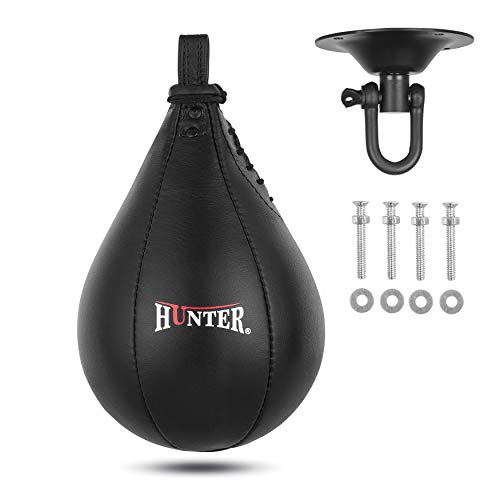
A speed bag is a small air-filled bladder in a leather or synthetic shell, hung from a swivel under a rebounding platform. When you punch it, it bounces between the bag and the platform in a rhythm. Training with one builds hand speed, timing, shoulder endurance and rhythm. It does not replace a heavy bag or sparring, and it is not a measure of punching power.
At a Glance: Speed Bag Options Compared
| Option | Best for | Key points the maker lists | Limits |
|---|---|---|---|
| Everlast speed bag | Beginners and home gyms | Leather or synthetic shell, several sizes, bladder included (per the maker) | Entry-level leather; stitching quality varies |
| Title Boxing speed bag | Gym members and regular trainers | Leather construction, size range, swivel sold separately or in kits | Mid-range tier; check size before ordering |
| Ringside speed bag | Budget to mid-range buyers who want kits | Bag, bladder, sometimes swivel and pump (as listed) | Kit components can be basic |
| Rival speed bag | Intermediate users who want a better feel | Leather with reinforced stitching | Mid to premium tier |
| Cleto Reyes speed bag | Advanced boxers and pros | Handmade leather construction, according to the maker | Premium tier |
| Over-door or freestanding platform kit | Renters and small spaces | Adjustable platform with included bag | Can be less stable; may vibrate |
Exact model names and included parts differ between sellers. Read the product description to confirm what ships in the box.
Choosing a Size
Speed bags are usually listed by length and width in inches, and the size controls rhythm. Larger bags move slower and are easier to hit; smaller bags move faster and require precision.
- Large (about 10 by 7 inches and up): Slow, forgiving, best for beginners and for learning rhythm. Often chosen by those new to the bag.
- Medium (about 9 by 6 inches or 8 by 5 inches): Good all-round sizes for regular training. Many boxers settle here.
- Small (about 7 by 4 inches and below): Fast and demanding, suited to experienced users working on speed.
Sizes are approximate and vary by maker, so check the listed dimensions. If you are uncertain, a medium bag is a reasonable middle option; if you struggle with timing, step up in size.
Materials and Construction
Leather vs. synthetic
Leather has a better feel and lasts longer under regular use. Synthetic (vinyl or PU) is cheaper and easier to clean but can crack or stiffen sooner. For a regular routine, leather is a worthwhile upgrade.
Bladder
Most bags include a rubber or latex bladder that you inflate. Inflate it to the firmness the maker suggests. A softer bladder moves slower; a firmer one gives a faster rebound. Replacement bladders are inexpensive, so choose a bag that accepts standard sizes.
Swivel and hardware
A swivel connects the bag to the platform and lets it rotate freely. A smooth, ball-bearing swivel makes the bag rebound more cleanly. Cheap swivels can stick or wear out. Some bags ship without a swivel, so check if you need to buy one.
The Platform Matters
A speed bag platform is the board that holds the swivel. Standard platforms are about 24 by 24 inches or larger and mount to a wall or ceiling. For a clean rebound the platform should be rigid and firmly anchored, because a flexing board absorbs energy and makes the rhythm uneven. Adjustable-height and rotating platforms are available for shared use.
- Wall-mounted platforms offer the best stability when screwed into studs or masonry, using hardware suitable for the wall.
- Freestanding platforms allow movement but are more expensive and may wobble during fast work.
- Doorway or over-the-door options suit renters but tend to be less stable.
Mounting involves drilling and possibly structural considerations. If you are unsure about the wall or ceiling strength, ask a qualified contractor.
Budget Tiers
Budget tier
Kits from Everlast, Ringside and similar brands include a bag, bladder and sometimes a swivel. They are fine for learning the basic rhythm but may feel stiff or lose shape quickly.
Mid-range tier
Title and Rival speed bags offer better leather and more consistent stitching. This tier is a sensible default for regular training.
Premium tier
Cleto Reyes and similar boxing specialists produce handmade bags with a refined feel. They suit committed boxers who want long-lasting equipment.
Pick X If… Decision Table
| Pick this | If you… |
|---|---|
| Everlast or Ringside kit in a larger size | Are new to speed bags and want an affordable start |
| Title or Rival leather medium bag | Train regularly and want durable leather |
| Cleto Reyes | Box competitively and want premium feel |
| Small bag | Already have solid rhythm and want a speed challenge |
| Freestanding platform | Cannot drill into walls or ceilings |
| Wall-mounted platform | Want stability and can fasten into studs or masonry |
Getting Started Safely
- Hang at the right height. The bag should hang roughly at about eye level or slightly lower, adjusted so you can strike with a relaxed arm.
- Warm up. Loosen shoulders, wrists and forearms. Speed bag work is repetitive and can tire the shoulders.
- Use gloves or wraps if you wish. Many people train bare-handed or with light speed bag gloves; hand wraps protect wrists for some users.
- Stop if you feel pain. Persistent shoulder, wrist or elbow pain is a reason to rest and talk to a doctor or physiotherapist.
- Start with short rounds. One to three minutes with rest is typical for beginners.
Care and Maintenance
Wipe the bag with a dry or slightly damp cloth after use. Leather benefits from occasional conditioning with a product suitable for leather. Avoid leaving the bag in damp or sunny spots. If the bag loses shape, replace the bladder first, since it is the cheapest part to swap. Check the swivel for wear and tighten mounting bolts from time to time.
Alternatives Worth Considering
Double-end bags
Double-end bags build timing and defence reflexes with a more random rebound. Many boxers train with both types.
Reflex bags
Reflex bags on a headband or ball-and-cord design improve hand-eye coordination and are compact, but they are not the same as speed bags.
Heavy bags
Heavy bags develop power and conditioning. If your goal is a full boxing workout, you may want both a heavy bag and a speed bag.
Technique and Rhythm Basics
Speed bag work follows a simple pattern. A common beginner drill is a single strike that sends the bag against the front of the platform, then the back, then the front again, and the next punch lands as it returns. Once you can keep a steady single-hit rhythm, many people progress to double hits, then triple hits, and eventually to alternating hands and circular motions. Aim to hit with the fleshy side of the fist rather than the knuckles, keep elbows slightly bent and shoulders relaxed.
Common mistakes include standing too close, punching too hard, and tensing the shoulders. Speed bags reward timing, not force. If the bag keeps hitting the platform out of rhythm, try stepping back, lowering your hands slightly, or switching to a larger bag.
Noise and flooring
The repeated tapping is audible, and it can be transmitted through a wall that supports the platform. A rubber-backed mount or a vibration dampening pad, if the maker offers one, can reduce the noise. Practise on a floor that gives enough grip for light footwork, and keep the space around you clear of obstacles. Beginners often progress faster by practising a few short sessions each week than by one long session, because the shoulders tire quickly and form fades with fatigue. Filming a short clip of your stance and arm position is a simple way to spot problems such as dropped elbows or a bag struck off-centre.
Frequently Asked Questions
What size speed bag should a beginner choose?
A larger bag moves slower and is easier to time, so most beginners start with a medium-large size. As rhythm improves, you can move to a smaller bag.
Do I need a special platform?
Yes, a rigid platform is needed so the bag rebounds cleanly. A weak or flexible board absorbs energy and makes the rhythm inconsistent.
Is leather better than synthetic?
Leather generally feels better and lasts longer, but costs more. Synthetic bags are fine for light use or a trial.
How much air should I put in the bladder?
Follow the maker’s guidance. A firmer bladder reacts faster, while a softer one is slower and more forgiving. Avoid overinflating.
Can I use a speed bag in an apartment?
It is possible, but the rhythmic noise can travel through walls and ceilings. Use stable mounting that suits your building, and check your lease and neighbours’ tolerance.
How long should I train on a speed bag?
Short rounds of one to three minutes with rests are common for beginners. Build up gradually and stop if you feel pain or fatigue in the shoulders or wrists.
FAQ
What size speed bag should a beginner choose?
Do I need a special platform?
Is leather better than synthetic?
How much air should I put in the bladder?
Can I use a speed bag in an apartment?
How long should I train on a speed bag?
More from Amazon
Programs that pair well with the guide above. Offers and eligibility are set by Amazon and may change.
Free shipping on eligible items, Prime Video and more. Eligible new members can start with a free trial.
Start a Prime free trialAudiobooks and podcasts to listen to on the go. Eligible new members can start with a free trial.
Try Audible freeAd-free music streaming. Eligible new subscribers can start with a free trial.
Try Music Unlimited freeA free business account with business pricing and bulk-buying tools for work, shop or home office.
Create a business accountAs an Amazon Associate we earn from qualifying purchases.