
Key takeaways
- Body shape: acoustic guitars come in parlor, concert, grand auditorium, dreadnought and jumbo shapes. Choose a case listed for your shape, or measure body length, width and depth.
- Electric guitars: Stratocaster-type, Telecaster-type and Les Paul-type bodies differ in horn length and thickness. Check whether the case is listed for your shape. Offset and extended-scale models such as baritones or 7 and 8-string guitars may need special cases.
- Bass guitars: need longer cases that are listed for bass. Long-scale versions can need extended lengths.
- Classical guitars: have wider necks and often different body proportions. Choose cases listed for classical use.
- Headstock and neck support: a good case holds the guitar firmly at the neck heel and headstock without squeezing the tuners. A loose neck can slide and stress the instrument.
For daily carrying and local gigs, a padded gig bag from Mono, Gator or Reunion Blues is the most practical option, while a molded or wooden hardshell from SKB, Gator, Hiscox or the guitar’s own maker is the better choice for flying, touring and long-term storage. The right case depends on how the guitar travels, how much impact protection you need, and which body shape the case must fit.
Our top picks


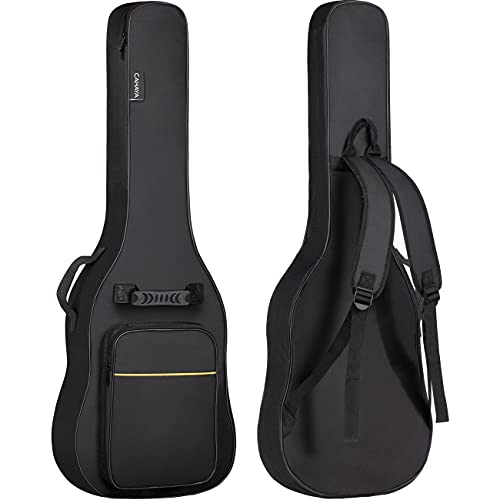
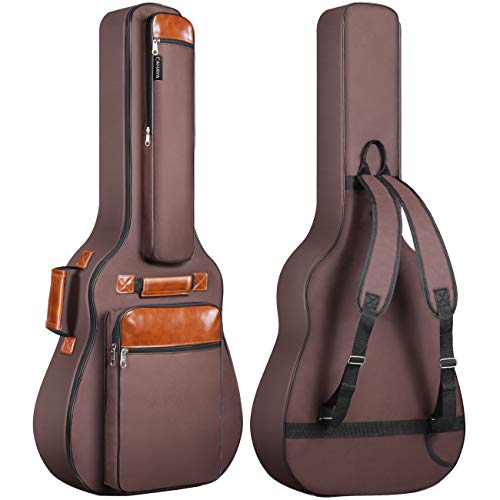
As an Amazon Associate we earn from qualifying purchases at no extra cost to you.
Guitar Cases at a Glance
| Case type / Brand line | Best for | What makers describe | Main limit |
|---|---|---|---|
| Basic gig bag (Fender, Gator entry lines) | Short trips, lessons, casual players | Thin padding, zipper closure, shoulder strap, small pocket | Little crush or drop protection |
| Premium gig bag (Mono, Reunion Blues, Gator Elite lines) | Commuting musicians and local gigs | Thicker padding, rigid shell elements, backpack straps, accessory storage | Still not a substitute for a hardshell on a plane |
| Molded hardshell (SKB, Gator molded, Fender molded) | Touring, flying, vehicle storage | Molded plastic body, latches, plush lining, often water resistant | Heavier and bulkier |
| Wood or arched-top hardshell (Hiscox, Gibson, Martin, Taylor style) | Valuable acoustic and electric instruments | Wood or composite shell, vintage-style fit, plush interior | Model-specific, higher in price |
| Flight case (SKB, Hiscox pro lines) | Frequent flyers and crews | Reinforced shell, heavy latches, shock-absorbing foam | Heaviest option; check airline carry-on rules |
| Hybrid case (Mono Vertigo/M80 style) | Players wanting protection with lighter weight | Semi-rigid design with a molded shell and backpack straps | May still be too large for some overhead bins |
Exact dimensions, weights and compatible body shapes vary by model. Check the maker’s compatibility list for your instrument rather than assuming a case marked “acoustic” fits every dreadnought, jumbo or parlor body.
Gig Bag or Hardshell?
Gig bags
Gig bags are lighter, easier to carry on one or both shoulders, and take less space in a car or apartment. Better models add thicker padding, reinforced neck supports and sturdy zippers. They protect against scratches, light bumps and rain splashes, but they do not protect well against crushing, heavy drops or something stacked on top. They suit short trips, rehearsal commutes and players who treat the case as a carrying aid rather than as protection for long-term storage.
Hardshell cases
Hardshell cases, whether molded plastic or wood-based, protect against impacts, stacking and many temperature or humidity swings. Molded shells from SKB and Gator are common among touring musicians. Premium wood shells from Hiscox and instrument makers such as Martin, Taylor and Gibson are built around particular body shapes, which can improve neck support and reduce movement inside.
The trade-off is weight and bulk. A hardshell is more awkward to carry on public transport and takes space in a small car.
Fit and Compatibility Notes
- Body shape: acoustic guitars come in parlor, concert, grand auditorium, dreadnought and jumbo shapes. Choose a case listed for your shape, or measure body length, width and depth.
- Electric guitars: Stratocaster-type, Telecaster-type and Les Paul-type bodies differ in horn length and thickness. Check whether the case is listed for your shape. Offset and extended-scale models such as baritones or 7 and 8-string guitars may need special cases.
- Bass guitars: need longer cases that are listed for bass. Long-scale versions can need extended lengths.
- Classical guitars: have wider necks and often different body proportions. Choose cases listed for classical use.
- Headstock and neck support: a good case holds the guitar firmly at the neck heel and headstock without squeezing the tuners. A loose neck can slide and stress the instrument.
Protection Features Worth Looking For
- Latches: sturdy latches that close securely without catching on clothing. Some players prefer locking latches for travel.
- Interior lining: plush or soft lining reduces finish contact. Be aware that certain vintage lacquer finishes can react with some foam or vinyl in cases, so check the guitar maker’s guidance on case lining for nitrocellulose-finished instruments.
- Neck cradle and body support: prevents the instrument from flexing in transit.
- Humidity management: acoustic guitars react to dry and humid conditions. Some hardshells have space for humidifier pouches. Follow the guitar maker’s care guidance for humidity levels.
- Water resistance: molded shells and coated gig bags keep rain off. Neither is a guarantee against submersion or heavy flooding.
- Accessory pockets: useful for cables, tuners, picks and a strap, but bulky items can press against the guitar body in a soft bag.
Budget Tiers
Budget tier
Entry-level gig bags and lightweight cases fit casual players, students and anyone moving a guitar short distances. They keep dust and scratches away and let you carry the instrument comfortably, but offer limited impact protection.
Mid-range tier
Mid-range options include padded gig bags from Mono, Gator and Reunion Blues, plus molded hardshells from Gator and SKB. This tier suits gigging musicians who travel locally and need a balance of protection, weight and convenience.
Premium tier
Premium tier includes wood-shell cases from instrument makers, Hiscox pro cases and heavy flight cases. They suit valuable, vintage or one-of-a-kind instruments and anyone who flies or tours regularly.
Pick X If You Want…
| Pick this | If you… |
|---|---|
| Entry-level gig bag | Take lessons or rehearse nearby and carry the guitar short distances |
| Mono or Reunion Blues premium gig bag | Commute on foot, bike or transit and want better padding with backpack straps |
| SKB or Gator molded hardshell | Travel by car or van and want strong protection without the highest cost |
| Hiscox flight case | Fly with the instrument or tour frequently |
| Instrument-maker hardshell | Own a guitar that has a specific shape and want the closest fit |
| Hybrid case | Want protection and light weight, and your guitar is a standard body shape |
Flying with a Guitar
Airline rules vary by carrier and route. Some airlines allow guitars as carry-on if they fit overhead or in a closet, while others require checking them. In the United States, federal rules require airlines to allow musical instruments in the cabin if they fit stowage space, but carrier policies differ on size, so check the airline’s instrument policy before booking. A cabin-friendly hardshell or a soft case for a smaller guitar may be easier than a full flight case. If you must check the guitar, loosen the strings slightly if the maker recommends it, and use a sturdy flight case. Do not rely on a gig bag for checked luggage.
Care Tips
- Wipe down the guitar before putting it away, as sweat and grime can transfer to the case lining.
- Do not leave guitars in a car in extreme heat or cold. Rapid temperature change can crack finishes and affect glue joints.
- Let the case acclimate to room temperature before opening it after exposure to cold.
- Check latches, hinges and handles regularly for wear.
- Keep the case clean and dry, and air it out if it feels damp.
Alternatives
- Rack cases or flight trunks: for touring bands moving multiple instruments.
- Travel guitars with their own cases: smaller instruments such as travel acoustics usually include a dedicated bag or case.
- Wall hangers and stands: not a case, but for home storage they keep the instrument visible and accessible, as long as the room humidity and temperature are stable.
Buying Checklist
Before choosing, write down the guitar’s make, model and body style, then compare them with the compatibility list the case maker publishes. Think about how you will carry the case most often: on one shoulder, as a backpack, by hand or in a vehicle. Decide whether you need a place for a tuner, cables, capo and spare strings, and whether the case should lock. Finally, consider storage space at home, because a bulky hardshell that has no room to sit upright may end up leaning in a corner where it can be knocked over. Matching the case to the real routine is more useful than buying the strongest case available.
Frequently Asked Questions
Is a gig bag enough for my guitar?
For short trips and light daily use, a good padded gig bag is usually enough. It will not protect against heavy impacts or crushing. If the guitar is valuable or you travel by plane, a hardshell is the safer choice.
How do I know which case fits my guitar?
Match the case to the guitar’s body style, such as dreadnought, Stratocaster-type or Les Paul-type, and compare the maker’s stated internal dimensions to your measurements. Many case makers publish compatibility lists. If your instrument has an unusual shape, an instrument-maker case is often the best fit.
Can a case damage a guitar finish?
Some case linings can react with certain finishes, particularly nitrocellulose lacquer. Guitar makers often advise on suitable case materials, so read the care guidance for your instrument. If you are unsure, ask the manufacturer or a qualified luthier.
Do hardshell cases protect against humidity?
A hardshell slows the pace of humidity change but does not control it. Acoustic guitars may benefit from a humidifier or humidity pack designed for guitars, following the guitar maker’s recommended humidity range.
Can I take a guitar on a plane in a gig bag?
A gig bag may be allowed as carry-on if it fits in the cabin, but it offers limited protection if gate-checked. Check your airline’s instrument policy, and consider a hybrid or cabin-sized hardshell for frequent flights.
How often should I replace a guitar case?
Replace a case when latches fail, the shell cracks, the lining deteriorates or the neck support no longer holds the guitar firmly. Quality cases can last many years with care, but a worn case may leave the instrument vulnerable.
FAQ
Is a gig bag enough for my guitar?
How do I know which case fits my guitar?
Can a case damage a guitar finish?
Do hardshell cases protect against humidity?
Can I take a guitar on a plane in a gig bag?
How often should I replace a guitar case?
More from Amazon
Programs that pair well with the guide above. Offers and eligibility are set by Amazon and may change.
Free shipping on eligible items, Prime Video and more. Eligible new members can start with a free trial.
Start a Prime free trialAudiobooks and podcasts to listen to on the go. Eligible new members can start with a free trial.
Try Audible freeAd-free music streaming. Eligible new subscribers can start with a free trial.
Try Music Unlimited freeA free business account with business pricing and bulk-buying tools for work, shop or home office.
Create a business accountAs an Amazon Associate we earn from qualifying purchases.







