
Key takeaways
- Prioritize all exterior doors and ground-floor windows.
- Mount 8-10 feet high, angled down, out of tampering reach.
- Avoid backlighting and direct sun in the frame.
Protecting your home no longer requires an expensive monthly monitoring contract. Affordable camera systems, both wired kits with local recording and simple Wi-Fi cameras, put reliable surveillance within reach of almost any budget, often with no recurring fees at all.
This guide walks through building a capable home security camera system without overspending in 2026, covering the wired-versus-wireless choice, where to place cameras, and how to store footage cheaply. Whether you want an eight-camera wired setup or a couple of solar Wi-Fi cams, here is how to do it smartly.
Our top picks

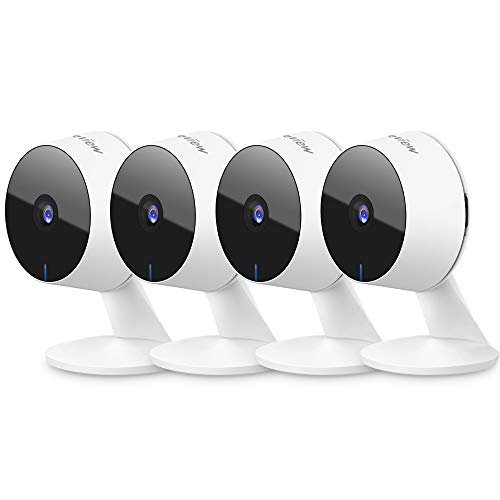
 2K Security Camera System
Dual-band Wi-Fi balances range and speed options
AI human detection cuts down false alerts from animals
IP65 protection withstands rain and outdoor conditions
Needs about 2 hours of daily sunlight to stay charged
MicroSD card for local storage is not included



As an Amazon Associate we earn from qualifying purchases at no extra cost to you.
⚡ Save on Your Next PC — Amazon Prime
Prime members get fast free shipping on the systems above, plus early access to Prime Day & Black Friday PC deals. New members get a 30-day free trial.
Watch: How to Set Up a Home Security Camera System on a Budget — Video Review
Wired Kits vs. Wireless Cameras
Your first budget decision is architecture. A wired NVR kit, like the ANNKE 8-channel systems with a bundled 1TB hard drive, delivers rock-solid reliability and local recording with no cloud fees, ideal for whole-home coverage. Wireless options, such as the solar-powered GMK and Hiseeu cameras, are far easier to install and skip cable runs, making them the budget pick for renters or single trouble spots.
Plan Camera Placement First
Cameras are only as good as their angles. Cover entry points first, front door, back door, and ground-floor windows, then driveways and side gates. Mount cameras high and angled downward to capture faces while staying out of reach, and avoid pointing directly into bright light or the sun, which washes out footage. Sketching a quick map before buying tells you exactly how many cameras you need.
- Prioritize all exterior doors and ground-floor windows.
- Mount 8-10 feet high, angled down, out of tampering reach.
- Avoid backlighting and direct sun in the frame.
Storage: Local vs. Cloud
Ongoing storage fees are where “cheap” systems get expensive. Wired kits with an included hard drive, like the ANNKE 1TB systems, record continuously with zero monthly cost. Wi-Fi cameras often support a local microSD card as a free alternative to cloud subscriptions, so check for card support if you want to avoid recurring charges entirely.
Resolution, Night Vision, and Power
Aim for at least 1080P, with 2K or 3K (as on many ANNKE and GMK kits) giving clearer detail for identifying faces and plates. Confirm solid infrared night vision, since most incidents happen after dark, and plan power: wired cameras draw from the recorder, while solar and battery cameras like the GMK cut cabling but need decent sun or periodic recharging.
Tips
- Choose a kit with an included hard drive or microSD support to avoid monthly cloud fees.
- Buy slightly higher resolution (2K+) so you can actually identify faces and license plates.
- Position at least one camera to cover the approach to your main entry, not just the door itself.
- Add visible cameras as a deterrent, but keep one discreet angle a burglar might miss.
Frequently Asked Questions
How much does a budget home security system cost?
Capable wired kits with multiple cameras and a hard drive are surprisingly affordable and carry no monthly fees, while individual Wi-Fi cameras cost even less upfront. The biggest ongoing cost to avoid is unnecessary cloud subscriptions.
Wired or wireless cameras for a budget setup?
Wired NVR kits offer the most reliable, fee-free whole-home coverage but require cable runs. Wireless and solar cameras are cheaper and easier to install for renters or specific spots, at the cost of some reliability.
Can I avoid monthly fees?
Yes. Choose systems with local storage, a bundled hard drive on wired kits or microSD support on Wi-Fi cameras, so footage records without any cloud subscription.
How many cameras do I need?
Start by covering every exterior door and ground-floor window, which is often four cameras for a small home and up to eight for larger properties or added driveway and yard coverage.
Conclusion
A strong home security system on a budget is about smart choices, not big spending: pick wired kits with included storage for whole-home coverage or solar Wi-Fi cameras for easy spot protection, plan your angles around entry points, and avoid recurring cloud fees. Do that, and you will have dependable, self-recording surveillance that pays for itself once and protects for years.










Write Your Review
No reviews yet. Be the first to share your experience!