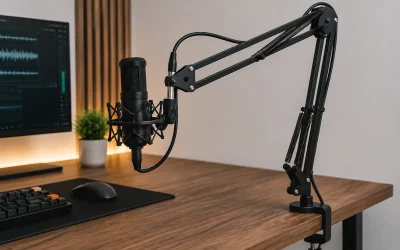
The appeal of a USB microphone is that it removes an entire layer of gear. No interface, no XLR cable, no phantom power switch to forget — you plug it into a laptop and record. That convenience is real, and for podcasting, streaming and getting song ideas down quickly it is often the right call. What you give up is flexibility: the preamp and converter are baked in, you generally cannot run two USB mics into one computer cleanly, and upgrading means replacing the whole thing rather than one component.
The choice that actually shapes your recordings is condenser versus dynamic. Condensers are more sensitive and detailed, which flatters acoustic instruments and quiet vocals and also means they hear your keyboard, your chair and the traffic outside. Dynamics are less sensitive and reject off-axis sound better, which is why broadcasters use them in untreated rooms. If you are recording in a spare bedroom with hard walls, a dynamic will usually sound more professional than a better condenser. This guide compares both types for music, streaming and meetings.
Our top picks




As an Amazon Associate we earn from qualifying purchases at no extra cost to you.
Quick Comparison
| Product | Best For | Standout Feature | Watch Out For |
|---|---|---|---|
| FIFINE K669B | Budget vocal and voiceover work | Metal cardioid condenser at a low price | Picks up room noise in untreated spaces |
| CMTECK G009 | Calls and casual recording | Noise reduction with a hardware mute button | Processing softens detail on vocals |
| TONOR G11 Conference Mic | Meetings and group recording | Omnidirectional pattern covers a whole table | Omni captures the room along with voices |
| Compact Gaming Microphone | Crowded desks | Very small footprint with a mute control | Small capsule limits low-end warmth |
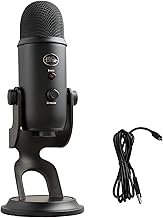
| Blue Yeti USB Microphone | Multiple recording situations | Four selectable polar patterns | Large and heavy on a small desk |
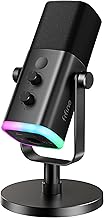
| FIFINE AmpliGame AM8 | Untreated rooms | Dynamic capsule with both USB and XLR | Needs close mic technique to sound full |
How to Choose
- Condenser or dynamic: Condensers capture detail and the room with it. Dynamics reject off-axis sound and suit untreated spaces, which describes most home setups.
- Pattern matters more than specs: Cardioid picks up what is in front and rejects the sides and rear. Omnidirectional captures everything, which is right for meetings and wrong for solo vocals.
- Look for a headphone jack: Direct monitoring lets you hear yourself without the round-trip delay of listening through the computer, which is essential for singing in time.
- Check for a hardware mute: A physical mute button is faster and more reliable than a software one, and it saves you on every call and stream.
- Plan for a stand or arm: Desk tripods transmit keyboard and mouse thumps straight into the capsule. A boom arm with a shock mount solves it far better than any software filter.
Top Picks Reviewed
Best Budget Condenser: FIFINE K669B
A metal-bodied cardioid condenser that sounds considerably better than its price implies on spoken word and close vocals. Plug and play on both Mac and Windows, with enough sensitivity to capture detail in a voiceover.
Condenser sensitivity is a double-edged feature. In a room with hard walls it captures reflections and the hum of your computer along with your voice, so some acoustic treatment pays off.
Best for Calls: CMTECK G009
Built-in noise cancellation and a hardware mute button make this a sensible desk microphone for meetings, gaming chat and casual recording where clarity matters more than fidelity.
The processing that removes background noise also removes some vocal detail. For music recording that is the wrong trade; for conference calls it is exactly right.
Best for Groups: TONOR G11
An omnidirectional pattern picks up voices from all around the microphone, which is what you want for a table of people in a meeting or a roundtable discussion recorded on one device.
Omni patterns capture the whole room, including air conditioning and keyboard noise. It is the correct tool for groups and the wrong one for solo vocals.
Best for Small Desks: Compact Gaming Microphone
An ultra-compact condenser with a mute button that works across computers and consoles, designed to fit where a full-size microphone will not.
A smaller capsule generally means less low-end body. Voices sound clear but thinner than through a large-diaphragm design.
Most Versatile: Blue Yeti
Four selectable polar patterns — cardioid, omni, bidirectional and stereo — mean one microphone handles solo vocals, two-person interviews, room recording and stereo instrument capture. The onboard gain and headphone monitoring are genuinely useful.
It is large and heavy. On a crowded desk it dominates, and the included stand transmits vibration, so a boom arm is a worthwhile addition.
Best for Untreated Rooms: FIFINE AmpliGame AM8
A dynamic capsule rejects far more room reflection than a condenser, which is why this sounds cleaner in a bedroom with bare walls. Having both USB and XLR outputs means it can move into a proper interface-based setup later without being replaced.
Dynamics need you close — within a few inches — to sound full. Back off and the voice goes thin and distant.
Frequently Asked Questions
Do USB microphones need phantom power?
No. USB condensers draw power over the same cable that carries audio. Phantom power is an XLR concept and only becomes relevant if you move to an audio interface.
Condenser or dynamic for home recording?
Dynamic if your room is untreated and echoey, because it rejects reflections. Condenser if you have some acoustic treatment and want maximum detail on vocals or acoustic instruments.
Can I use two USB microphones at once?
It is awkward. Operating systems generally expect one audio input device, and clock differences between two USB mics cause drift. For two sources, an audio interface with two preamps is the proper solution.
Why does my recording sound distant and echoey?
You are too far from the microphone and the room is reflecting. Move closer, speak or sing across the capsule rather than straight into it, and add soft furnishings or panels behind you.
Final Thoughts
Match the microphone type to your room before you compare specifications. A dynamic in a bare bedroom will beat a better condenser every time, and a cardioid pattern with a boom arm will beat a desk tripod regardless of the capsule. Get those two things right and even a modest USB microphone produces recordings people are happy to listen to.