Tenor is where the ukulele stops being a novelty and starts being a solo instrument. At around seventeen inches of scale it has enough string length to support a low G without the string going floppy, enough fret spacing for complex chord voicings, and enough body volume that individual notes separate rather than blurring into a strummed wash. Almost every professional ukulele player you have heard performing solo arrangements is playing a tenor.
The tradeoffs are honest ones. A tenor is louder and warmer but less of the bright, chirpy sound people associate with the instrument, so if you specifically want that classic soprano character, going bigger moves away from it. Tenors are also less portable and cost more, because there is more wood and more work in them. And a tenor’s higher string tension is slightly harder on soft fingertips in the first weeks. This guide compares tenor options for fingerstyle players, performers and anyone stepping up from concert scale.
Our top picks





As an Amazon Associate we earn from qualifying purchases at no extra cost to you.
Quick Comparison
| Product | Best For | Standout Feature | Watch Out For |
|---|---|---|---|
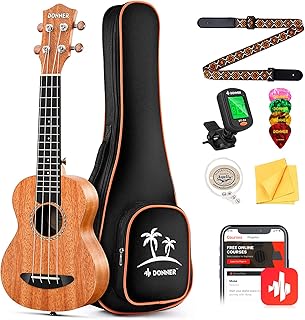
| Donner DUT-1 Tenor | Complete first tenor setup | Mahogany body with a full accessory bundle | Nylon strings need a week to settle |
| Kala KA-15T Bundle | Reliable build plus accessories | Consistent fretwork with bag and tuner | Plain satin appointments |
| Cordoba 15TM | Fingerstyle tone | Refined mahogany voice with clear note separation | Sold as the instrument alone |
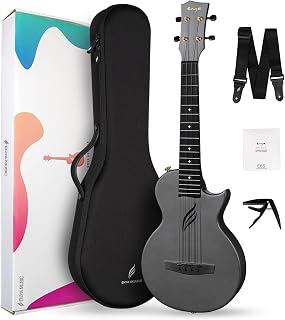
| Enya NOVA U PRO | Travel and humid climates | Waterproof carbon fibre body with a cutaway | Composite tone differs from traditional wood |
| Kala KA-15T | Players who own their accessories | Same trusted platform without the bundle | No bag, tuner or strap included |
| Caramel TAM40 Spruce Top | Brighter attack for strumming | Spruce top giving a crisper response | Spruce is more prone to dings than mahogany |
How to Choose
- Decide on high or low G: Tenor scale supports a wound low G properly, extending the range downward for solo arrangements. Keep high G if you want the traditional re-entrant sound.
- Solid top versus laminate: A solid spruce or mahogany top opens up and gains complexity over time. Laminate is more stable and cheaper but stays where it started.
- Cutaway for upper-fret work: Tenor players who play melodies benefit from access above the twelfth fret. Strummers will never notice it is missing.
- Composite bodies for tough conditions: Carbon fibre and similar materials ignore humidity and temperature, which matters if the instrument travels or lives somewhere with real seasons.
- Check nut width and neck profile: Tenors vary more than smaller sizes. A slightly wider nut helps fingerstyle; a narrower one suits chord work.
Top Picks Reviewed
Best First Tenor: Donner DUT-1
A 26-inch mahogany tenor packaged with a gig bag, tuner, strap, spare strings, picks and lesson access covers everything a player stepping up from concert needs. The mahogany body gives the warm, rounded voice that suits both strumming and picking.
The factory nylon takes about a week of frequent retuning to stabilise. Stretching each string gently by hand accelerates that noticeably.
Best Bundled Build: Kala KA-15T Bundle
Kala’s satin mahogany tenor is dependably well made — dressed frets, accurate intonation and a neck that stays straight — and the bundle adds a gig bag, tuner and instructional material.
Cosmetically it is plain, with no binding or decorative rosette. That plainness is why the construction is as good as it is at the price.
Best Tone: Cordoba 15TM
Cordoba’s classical guitar heritage shows in the 15TM’s voice: clear note separation, a warm mahogany midrange and a responsiveness that rewards fingerstyle technique rather than just strumming. For solo arrangements it is the most musical option here.
It ships without accessories. A case, tuner and strap are separate purchases, which is normal at this level.
Best for Travel: Enya NOVA U PRO
A carbon fibre body that shrugs off humidity, heat and cold, with a cutaway for upper-fret access and a complete kit including case, strap and capo. At well under two pounds it is genuinely easy to carry anywhere.
Composite bodies have their own character — tighter and more focused, less of the woody warmth traditionalists want. It is different rather than worse, but it is different.
Best Bare Instrument: Kala KA-15T
The same satin mahogany tenor without the bundle, for players who already own a case, a tuner and a strap and would rather not pay for duplicates.
If you do not own those things, the bundled version is better value once you add them up separately.
Brightest Attack: Caramel TAM40 Spruce Top
A spruce top gives a crisper, more immediate attack than mahogany, which cuts through in a group and suits percussive strumming styles. Combined with a tenor body it is loud and articulate.
Spruce is a softer top wood and marks more easily. Expect pick scratches and dings to show sooner than they would on mahogany.
Frequently Asked Questions
Is a tenor too big for a beginner?
Not at all, and adults often find it the most comfortable size. The wider fret spacing makes clean chords easier, and the extra tension is only a minor adjustment for fingertips.
What is a low G string and why use it?
It replaces the high re-entrant G with a lower-pitched string, usually wound, extending the range downward by nearly an octave. It suits solo arrangements and gives chords more bass foundation.
Do tenor ukuleles use different strings?
Yes. Strings are sized by scale length, so buy sets marked for tenor. Concert strings on a tenor will be at the wrong tension and will not intonate correctly.
Can I fit a pickup to a tenor ukulele?
Under-saddle piezo pickups fit most tenors and are the standard solution for playing through a PA. Some models arrive with electronics already fitted, which saves the installation.
Final Thoughts
Choose tenor if you want volume, note separation and the option of a low G, and accept that you are trading away some of the classic soprano chirp. Look for solid tops if tone matters most, composite bodies if the instrument travels, and a cutaway if melody playing above the twelfth fret is where you are headed.